Early terrorists?
Long ago, American colonists took a stance against a government that didn't represent the voice of the people. Fast forward to today and the recent
TPP and TTIP treaties essentially silence the voice of the people once again. But is anyone paying attention?
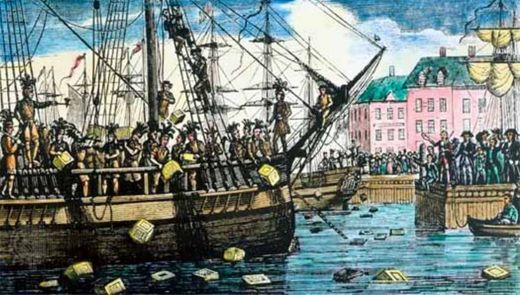
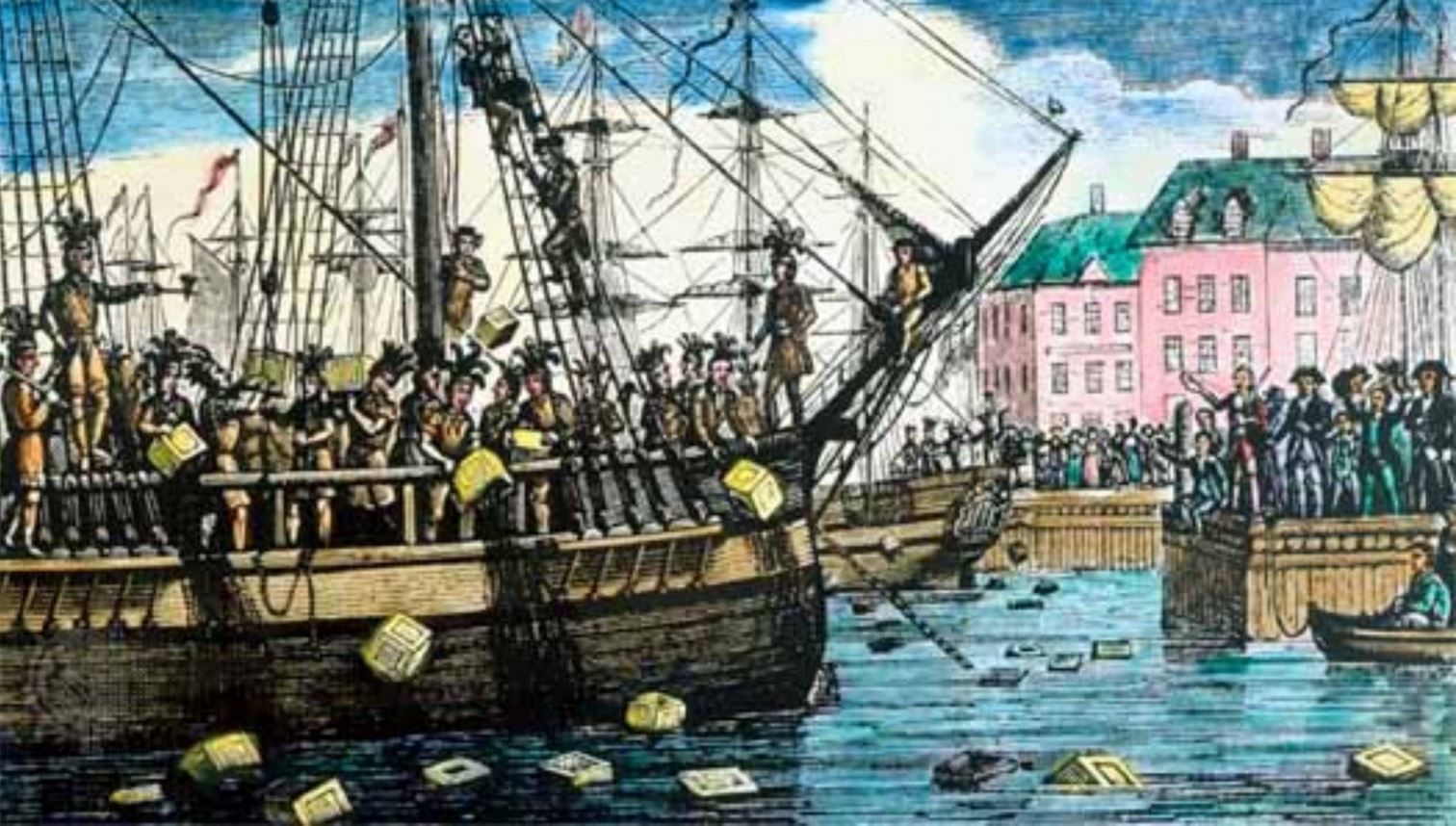
The men, unhappy with the decisions that had been forced upon them by people they had never seen before, decided to do something. Waiting until sunset, they dressed up as Indians, painted their faces, and marched down to the harbor. Upon reaching it, they stormed a ship, grabbed the cargo and threw it overboard. Shouting into the night, "no taxation without representation!" the men made a defiant stance against what they felt was an overreaching government that only saw them as streams of income. In response, the government attempted to crack down on society in a desperate attempt to remain in control. It didn't work and today historians note that the event, which came to be known as the Boston Tea Party, was one of the first shots of the War for Independence.
Of course,
if this event were to happen today, media would report it like this —"A local militia, believed to be a terrorist organization, attacked the property of private citizens today at our nation's busiest port. Although no one was injured in the attack, a large quantity of merchandise, considered to be valuable to its owners and loathsome to the perpetrators, was destroyed. The terrorists, dressed in disguise and apparently intoxicated, were able to escape into the night with the help of local citizens who harbor these fugitives and conceal their identities from the authorities. It is believed that the terrorist attack was a response to the policies enacted by the occupying country's government. Even stronger policies are anticipated by the local citizens."
Although these two tales tell the same story, perception is key. And when 90% of American media is controlled by 6 companies, the narrative is tightly controlled. Not for the benefit of the people, of course, but for the benefit of the government. But not even for the government so much any more, as the recent buzz surrounding the TPP and TTIP have revealed. In fact, numerous stories over the last couple of weeks have shed light on just who was behind the treaties, and it reads like a list of who's who in the world of big business.That's right.
Corporations wrote the treaties and the politicians, which are elected by the people to represent the people, either didn't read the treaties at all, or chose to play buzzword bingo when publicly discussing the matter. Of course, as the
Guardian reports, the tens of thousands of dollars that went to the "yea" votes helped to convince those fence sitters which direction the wind was blowing and more importantly, helped their future re-election campaigns. Addressing this issue, Mansur Gidfar, spokesman for the anti-corruption group Represent. US noted -"It's a rare thing for members of Congress to go against the money these days. They know exactly which special interests they need to keep happy if they want to fund their reelection campaigns or secure a future job as a lobbyist." He went on to ask -
"How can we expect politicians who routinely receive campaign money, lucrative job offers, and lavish gifts from special interests to make impartial decisions that directly affect those same special interests?"










Comment: Needless violence sending a message?