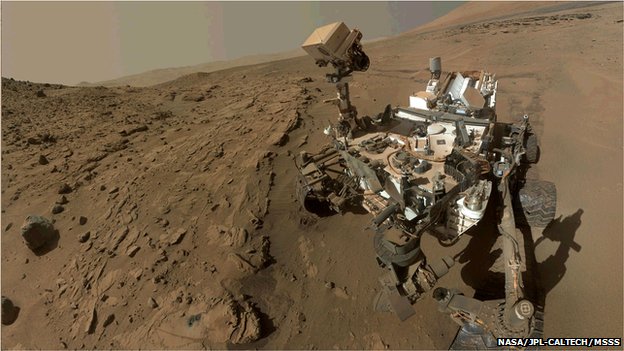
© NASA/JPL/CALTECH/MSSS
The US space agency's (Nasa)
Curiosity rover has detected the
intermittent "belching" of methane gas on Mars.
The robot sees very low-level amounts constantly in the background, but it also has
monitored a number of short-lived spikes that are 10 times higher.
Methane on the Red Planet is intriguing because here on Earth, 95% of the gas comes from microbial organisms.
Researchers have hung on to the hope that the molecule's signature at Mars might also indicate a life presence.
The
Curiosity team cannot identify the source of its methane, but the
leading candidate is underground stores that are
periodically disturbed.
Curiosity scientist Sushil Atreya said it was possible that so-called
clathrates were involved.
"These are molecular cages of water-ice in which methane gas is trapped.
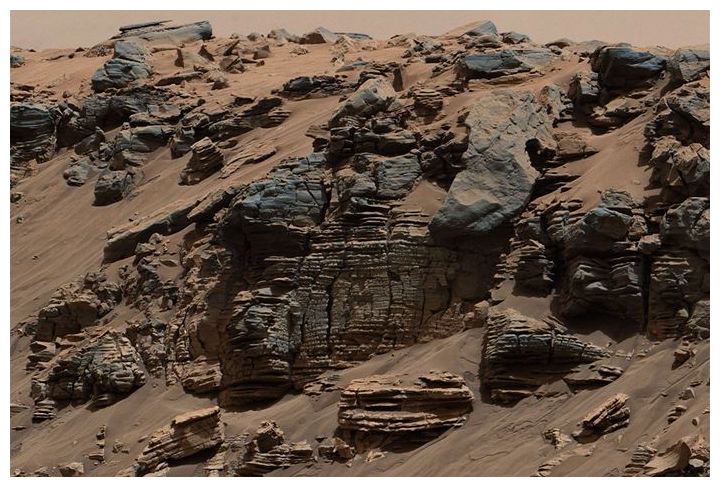
From time to time, these could be destabilised, perhaps by some mechanical or thermal stress, and the methane gas would be released to find its way up through cracks or fissures in the rock to enter the atmosphere," the University of Michigan professor told BBC News.
A likely source for such mechanical stress would be 'marsquakes':
Massive 'earth'-quake detected on Mars, 23 February 2012
...although thermal stress is another possibility: maybe Mars' dormant volcanoes, vents and calderas are becoming active like they are on Earth?
This, of course, still leaves open the question of how the methane (CH4) got into the clathrate stores in the first place.
It could have come from Martian bugs; it could also have come from a natural process, such as serpentinisation, which sees methane produced when water interacts with certain rock types.
At the moment, it is all speculation. But at least
Curiosity has now made the detection.
Comment: Let's get something straight here (because to listen to these scientists, you'd think nothing remarkable or out of the ordinary was going on): methane was first detected on Mars in 2005. That's just 9 years ago! Until then it was not known that methane was present on Mars at all. And now, already, large quantities are being detected in 'burps' or sudden spikes.
There has been increased methane outgassing here on Earth too recently:
Arctic Ocean leaking methane faster than anticipated
Vast methane plumes discovered escaping from Arctic seafloor north of Siberia
New climate change threat: Arctic seabed releases millions of tons of methane into atmosphere As well as recent
"increasingly stormy" conditions on Uranus, this year we have seen
increased volcanic activity on Jupiters moon Io,
scientists have been puzzled by the wobble of Saturn's moon Mimas and a
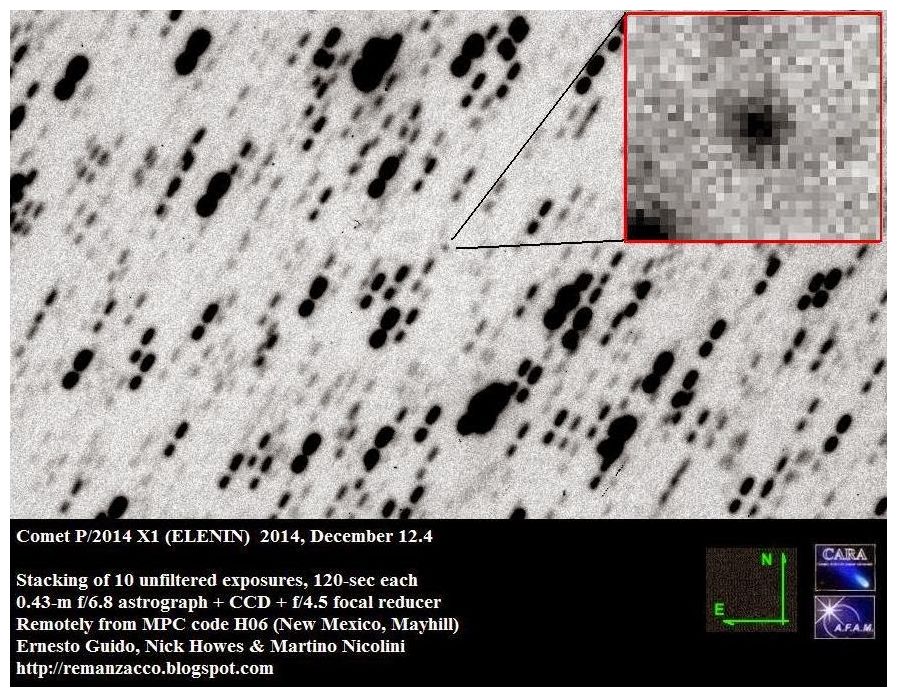
major increase in asteroid activity has seen MIT astronomers upgrade the solar system from stable to dynamicWhat is causing these recent solar system-wide 'climate changes'?
We have also seen deluges, meteor fireballs, 'thunder-snow', unseasonal tornadoes, 'super-storms'
here on the BBM last month.
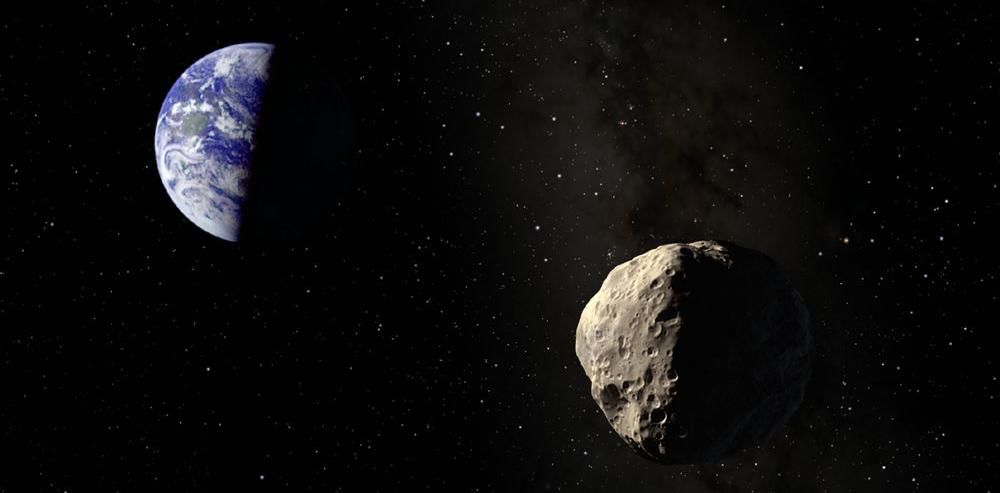
Could it be part of an overall 'grounding' of our solar system, caused perhaps by the close approach of the system's Twin Sun? Clearly something BIG is producing
systemic effects, rather than isolated effects on individual planets.

















Comment: See also:
Sensitive personal information for Sale: "Data Brokers" know more about you than you know
Snowden says, 'Get rid of DropBox' and avoid Facebook