
© Dave King/ Getty images
Allspice is one of those ubiquitous things you probably know of but don't really know about.
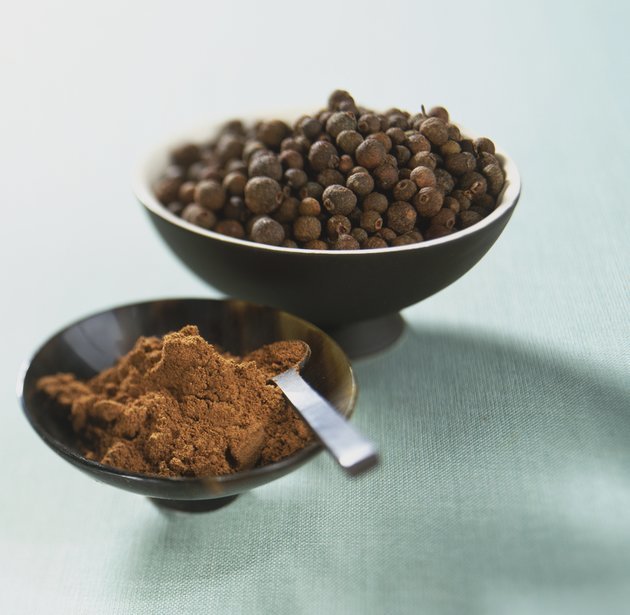
Most kitchens have it in the spice rack, and if you take the top off, it'll smell a little like cloves mixed with cinnamon, nutmeg, juniper berries and pepper. The thing is, it's none of those things, and it's definitely not a mixture of any of them - allspice is a fruit picked before it's ripe from a tree (the flowering tropical evergreen Pimenta dioica), dried and either sold as whole "berries" or ground up. It takes about 5,700 berries to make a pound of ground allspice.
As a berry, it looks like a large peppercorn, and in fact Columbus (being the great guess-timator that he was) incorrectly assumed the allspice that he "discovered" in 1494 was pepper and brought it back to Spain, the only country then to import allspice.
For centuries, Spaniards called allspice "pimiento," or pepper, and it's sometimes still referred to as Jamaican pepper today. Also, for hundreds of years, sailors used allspice berries to preserve meat onboard their ships; Mayans used it to embalm their leaders; the Arawak Indians of the Caribbean used it to cure meats (what they would call boucan), and the pirates of the day were eventually called "boucaniers," which eventually became "buccaneers."

© Culture Club/Getty imagesCaptain Bartholomew Roberts, aka Black Bart, was one of the most successful buccaneers of the Caribbean
"Because the volatile oils in allspice dissipate readily," Small writes, "whole berries will keep for up to 2 years in a cool, dark place, whereas ground allspice should be used within 6 months."
Martha Stewart has a long list of great recipes that use allspice on her site.
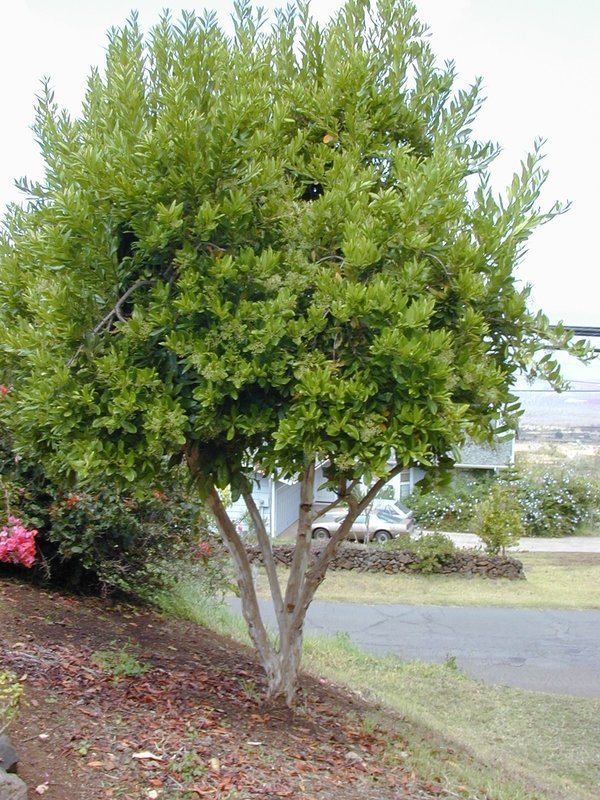
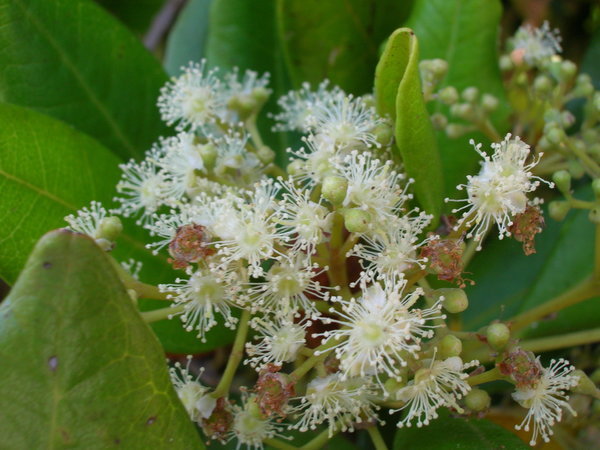
Check out these photos of allspice to see how it's grown:
© agromonitor/Flickr
© Starr Environmental/Flickr



[Link]
[Link]
and cinnamon--TRUE CINNAMON-- has consistent benefits.