Science of the SpiritS


Music

How listening to Mozart could prevent epileptic seizures

Mozart
© The Telegraph, UKPortrait of Wolfgang Amadeus Mozart. Listening to Mozart seems to protect against epileptic fits.
Listening to jazz or Mozart might stop epileptics having seizures, new research has suggested.

Epileptics react differently to music than those who do not have the disorder, new research found.

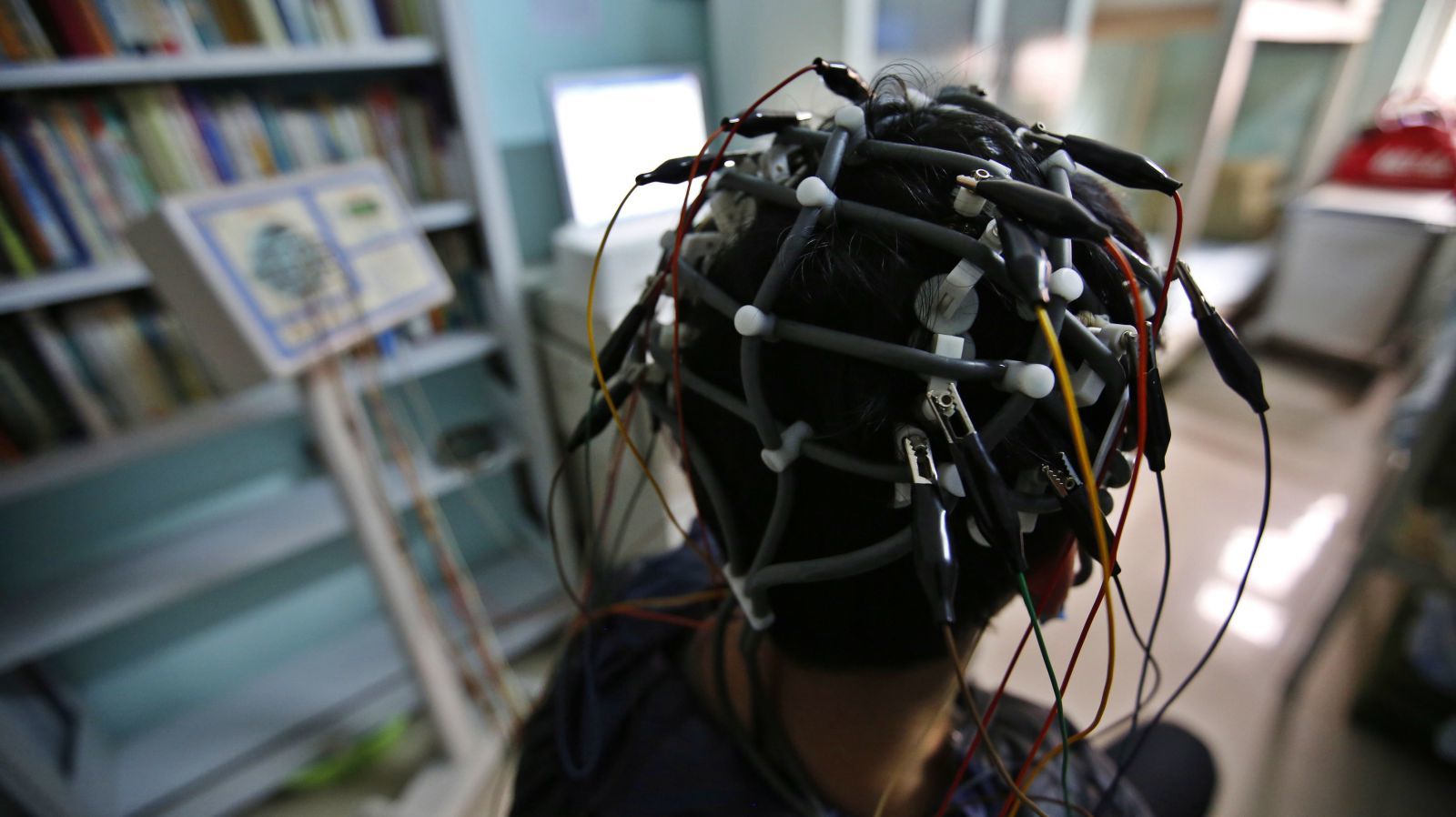
Scans show brainwaves of those with the disorder appear to synchronise with music by Mozart or John Coltrane but not with silence such as American experimental composer John Cage's piece 4'33" or "Four minutes, thirty-three seconds."

Assistant professor of neurology Dr Christine Charyton said: "We believe that music could potentially be used as an intervention to help people with epilepsy.

"We were surprised by the findings. We hypothesised that music would be processed in the brain differently than silence."

"We did not know if this would be the same or different for people with epilepsy."

While music would not replace current epilepsy therapy, the research suggested music might be a novel intervention used in conjunction with traditional treatment to help prevent seizures in people with epilepsy.

Around four fifths of epilepsy cases are what is known as temporal lobe epilepsy, in which the seizures appear to originate in the temporal lobe of the brain.

Magnify

Your brain is particularly vulnerable to trauma at two distinct ages

brain MRI
© Reuters/Kim Kyung-Hoon
Our brain's ability to process information and adapt effectively is dependent on a number of factors, including genes, nutrition, and life experiences. These life experiences wield particular influence over the brain during a few sensitive periods when our most important muscle is most likely to undergo physical, chemical, and functional remodeling.

According to Tara Swart, a neuroscientist and senior lecturer at MIT, your "terrible twos" and those turbulent teen years are when the brain's wiring is most malleable. As a result, traumatic experiences that occur during these time periods can alter brain activity and ultimately change gene expressions—sometimes for good.

People 2

Emotions directly influence processes of learning and memory in the brain

first impressions
© Minerva Studio / FotoliaThe purpose of this study was to identify the electrical activity that takes place in the brain during the formation of social memory.
A groundbreaking new study at the University of Haifa has found for the first time that emotions are not only the product of the processing of information by the brain, but that they also directly influence processes of learning and memory in the brain. Dr. Shlomo Wagner of the Sagol Department of Neurobiology at the University of Haifa, who undertook the study, explains: "It turns out that different emotions cause the brain to work differently and on distinct frequencies."

The main goal of the new study, which was published this February in the science journal eLife, was to identify the electrical activity that takes place in the brain during the formation of social memory. During the course of their work, the researchers -- Dr. Wagner and Ph.D. Alex Tendler -- discovered the scientific explanation behind the saying "you never get a second chance to make a first impression." More importantly, they came to understand the connection between emotions and cognitive processes such as learning and memory.

Info

Stress tweaks brain to sabotage self control

Stress
© Gewitterkind/iStockphoto
When life gets stressful, it is only natural that you should reach for the chocolate bar rather than an apple.

At least that is the finding of a Swiss study that shows how stress alters the brain's network to impair self-control.

The finding, published today in the journal Neuron, helps explain why people under stress choose short-term gain over long-term goals.

For the study the researchers at the University of Zurich, recruited 51 participants who reported they were making an effort to maintain a healthy lifestyle, but still enjoyed and consumed junk food.

Twenty-nine of the cohort were subjected to moderate stress by having their hand submerged in ice water for three minutes while being filmed and observed.

All participants were then asked to choose between eating a very tasty but unhealthy food item, or a healthy but relatively less tasty item.

First author Silvia Maier, from the Laboratory for Social and Neural Systems Research in the Department of Economics, says those who had been subjected to stress were more likely to select an unhealthy food.

This was despite being reminded which foods were better for them during the experiment.

Maier says the brain's decision to risk long-term gain for a short-term benefit is best understood from an evolutionary perspective.

"One widespread idea about the stress response is that it prepares the body for 'fight or flight'," she says.

"So that means it is helping to take an appropriate action right now. If you look at self-control problems from this angle, it might seem more important and prioritised under stress to cope with the stressor and the stress reaction.

"Long-term goals would have to take a backseat in this situation and would have to wait until the stressful situation has been resolved."

Question

Can genes make us liberal or conservative?

Liberal or Conservative
© Thinkstock
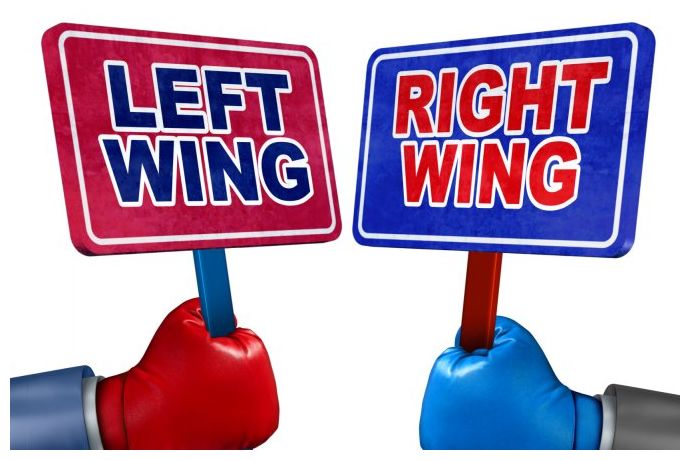
Aristotle may have been more on the money than he realized in saying man is a political animal, according to research published Wednesday linking genes with liberal or conservative leanings.

Or, to be precise, a specific variant of one gene that would seem to exert greater sway over women than men.

Working with 1,771 university students of Han Chinese origin in Singapore, researchers compared answers to surveys — including one tailored to hot-button issues in the city-state — with the presence of a permutation of the DRD4 gene.

DRD4 is one of several genes that determines the way dopamine — a crucial neurotransmitter, or chemical messenger — is released in the brain.

What they found was a robust link between the presence (or not) of the variant and a split between liberals inclined to decry inequality, on the one hand, and die-hard conservative wary of change, on the other.

"The association between political attitude and DRD4 was highly significant for females," and less so for men, said the study, led by Richard Ebstein of the National University of Singapore.

Women, it was also shown, tended to be more conservative in general.

The results are bolstered by earlier research based on people of European descent that found similar patterns around the same gene, according to the study.

In the long-standing "Nature vs. Nurture" debate, it was long assumed that social values — and especially political ones — were rooted in family upbringing, education and class.

But a growing body of evidence suggests, in the words of the researchers, that "biology can't be ignored."

Question

Who is making your decisions?

inside your head
When you reflect on your life, do you sometimes lament the choices you've made, directions you took or didn't take, and wonder what could have been? You may find that you've achieved success in one or more areas of life, yet feel like you have fallen short in others. You might ask if your life is really going as planned? But do you ever ask yourself if the plan was even really yours to begin with? If it wasn't yours, what got in the way of living the life you wanted to live?

Have you stopped to think about what you believe and how it has impacted who you are and what you have become? If you take a minute to reflect on the path you've taken so far, can you say it was aligned with what you really wanted for yourself?

If you weren't listening to your own heart-felt desires and aspirations, what were you listening to? Whose voice was in your head that made you choose a certain direction in life? Was it your parents, caretakers, family, religion, other authority figures, friends, peers, media and entertainment personalities, advertisers, the Internet?

2 + 2 = 4

Making peace with our own worst enemy - ourselves

Image
© Christian Scheja/Flickr
"Wawen!" (Translation: Lauren)

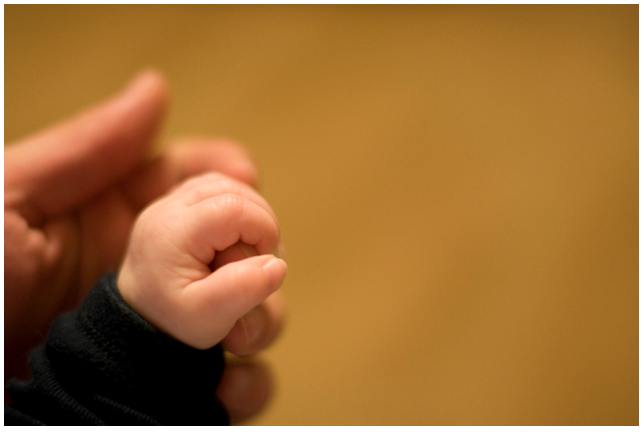
Those dreaded words from across the hall wake us up, as they often do in the middle of the night. Our three year old foster child is having a hard time sleeping again.

This is where it gets really hard. My wife needs sleep, and this little boy does not want me to come lay with him. My relationship with him is great―but his emotional wounds run deep and I've yet to pay the needed price for his heavily guarded trust. I've pushed it off, seeking momentary gratification, for far too long.

Bulb

We don't need more optimists: Unchecked positive thinking is more dangerous than it sounds

optimist
© Shutterstock.com
From The Secret to destructive management theories, unbridled optimism is just another way to ignore real issues.

Depending on how you look at it, the mood in the United States of late has been either an overdue stock-taking — as we reckon with issues like racism, rape culture, runaway law enforcement and out-of-control income inequality — or relentlessly grim. Surely, unrelieved despair — either personally or more broadly, socially — can lead to paralysis. But despite a big Sunday Review cover piece in the New York Times, We Need Optimists, extolling the virtues of positive thinking, that habit without reflection can be just as dangerous, especially in our leadership.

As a society we don't have a whole lot of patience for skeptics or even realists — our politics and popular culture has been dominated by people who tell us what we want to hear. Arthur C. Brooks, president of the conservative think tank the American Enterprise Institute, argues that we need more of that positive thinking. His Times story lists some indicators of our current dour state. "In 2014," he writes, "a Wall Street Journal/NBC poll revealed that 76 percent of Americans did not feel confident that 'life for our children's generation will be better than it has been for us.' This is 10 percentage points worse than the poll had ever recorded." If you're one of the millions of Americans who feels these pressures — who sees the promise dying — this might be reason to try to identity the problems or work toward fixing this slide. Brooks, instead, blames "our politicians' choosing the dark side. More than half of Americans said that our last presidential election was too negative, and complaints about the destructive, ad hominem discourse that dominates Washington have become a national cliché."

Is our political sphere too negative? Sure, especially with the harsh noises in the reactionary echo-chamber. But it's a symptom of a society that's lost its direction, not a cause. If you want optimism, there are plenty of ways to find it — DVDs, motivational speakers, inspirational courses, churches begging for your money and promising riches. Here's Barbara Ehrenreich, the author of an excellent book on the perils of optimism, Bright-Sided, which looks at the dangers both personally and politically:
But the question, before you whip out your credit card or start reciting your personal list of affirmations, is, What makes you think unsullied optimism is such a good idea? Americans have long prided themselves on being positive and optimistic — traits that reached a manic zenith in the early years of this millennium. Iraq would be a cakewalk! The Dow would reach 36,000! Housing prices could never decline! Optimism was not only patriotic but was also a Christian virtue, or so we learned from the proliferating preachers of the "prosperity gospel," whose God wants to "prosper" you. In 2006, the runaway bestseller "The Secret" promised that you could have anything you wanted, anything at all, simply by using your mental powers to "attract" it. The poor listened to upbeat preachers like Joel Osteen and took out subprime mortgages. The rich paid for seminars led by motivational speakers like Tony Robbins and repackaged those mortgages into securities sold around the world.


Rainbow

Acceptance of gays and lesbians is growing dramatically

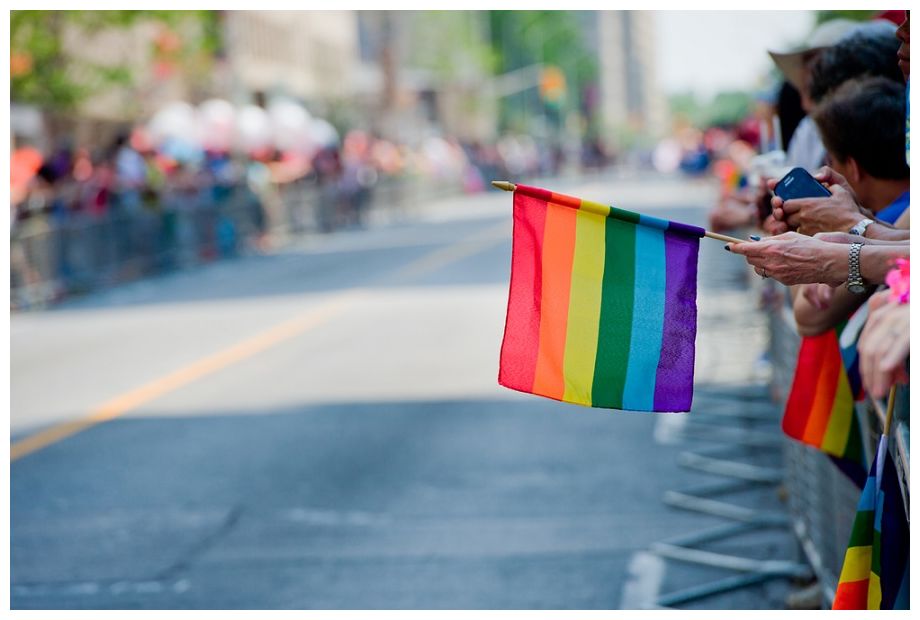
Rainbow Flag
© oceanfishing/Shutterstock
In the wake of the U.S. Supreme Court's decision to legalize same-sex marriage nationwide, many gays and lesbians celebrated. A new study suggests another reason for the community to cheer: Subconscious attitudes toward lesbian and gay people are improving.

A quick glance at most public opinion polls reveals that explicit attitudes toward gays and lesbians have been on the upswing for some time. For example, more than half of Americans — 53 percent — told the Gallup organization that they supported same-sex marriage in 2011, up from 27 percent in 1996. Another Gallup poll found that moral approval of homosexuality rose from 44 percent in 2006 to 59 percent in 2013.

But were these attitude changes genuine, or were people just feeling less free to air their prejudices publicly? To find out, researchers turned to a measure of implicit, or subconscious, attitudes toward gays and lesbians. They found a 13.4 percent drop in subconscious bias toward those groups between 2006 and 2013.

The finding is surprising, because implicit attitudes are notoriously hard — some would say nearly impossible — to budge, said study researcher Erin Westgate, a doctoral student at the University of Virginia in Charlottesville.

"Attitude change is real," Westgate told Live Science. "It's not just that people feel more pressure to say the politically correct thing."

Play

Video: Short and sweet guide to mindfulness practice from Happify

"Like a biceps curl for your brain" meditation is a simple, secular, scientifically-validated mental exercise. Meditation mouse prescribes 5-10 minutes a day to enjoy the benefits. Beginners and advanced meditators alike can benefit from the three easy steps laid out in this video: