
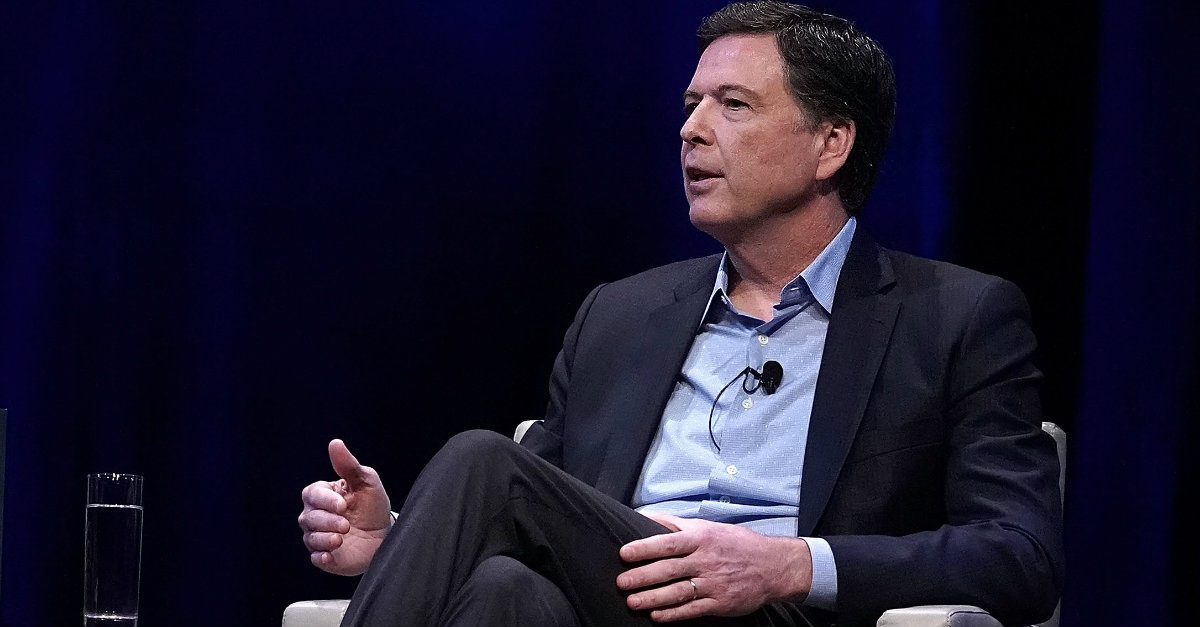
© Alex Wong/Getty ImagesJames Comey
The outlet demanded this information for their defense in a defamation lawsuit by Russian executive Aleksej Gubarev. He complained that the outlet didn't redact his name from the dossier when they published it, on January 10, 2017, and that the next-to-last paragraph of the document falsely identified him and two companies as participating in a plot to use "botnet and porn traffic" to infect computers run by Democratic Party leadership.

© FaceBook/alexsej.xbtGubarev's lawsuit claims Buzzfeed never contacted him to verify what they published
Mehta ruled that the outlet's demand is relevant to its defense in Florida court, didn't place an undue burden on the government, and didn't request privileged information. They must answer. At the very least, their affidavit will be covered by a protective order in the Sunshine State. Answers will be for attorneys' eyes only, filed under seal, and its use a hearing or trial will be subject to restricted decided together by BuzzFeed and the government. Also, the plaintiff-side can only read if if they agree to follow the protective order, and if only their lawyers review it.
DOJ Director Public Affairs Sarah Isgur Flores declined to comment when reached by Law&Crime via email.
The Russian dossier details an alleged conspiracy between the Trump campaign and the Kremlin. It's the source of the infamous pee-pee tapes. The president and his allies denied allegations. Dossier critics often attack it on the basis that author Christopher Steele, a former British intelligence officer, researched and wrote it while subcontracted by Fusion GPS, which was in turn hired by a law firm representing the Democratic National Committee and Clinton campaign.
BuzzFeed has released a statement about the development.


Reader Comments
to our Newsletter