
© Sputnik
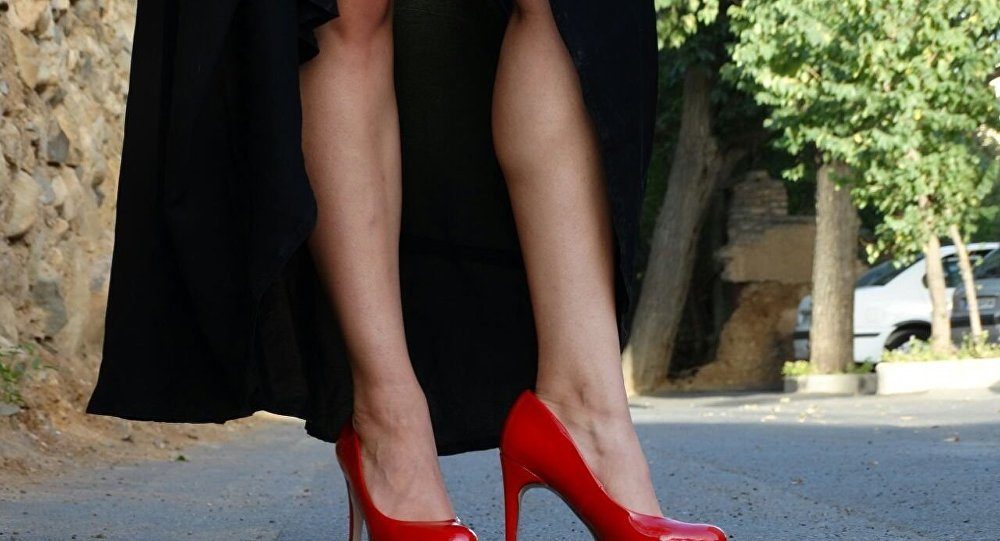
Iranian police have taken a softer approach to breaking Islamic rules, Tehran's police chief Brigadier General Hossein Rahimi said in a speech on Wednesday.
"According to a decision of the commander of the police force, those who do not observe Islamic codes will no longer be taken to detention centers nor judicial files opened on them," the police chief said as quoted by Reuters, adding that the police offered education courses while 7,913 people had been educated in these classes so far.
The current position on the breach of Islamic rules shows a remarkable shift, compared to the stance taken by Rahimi's predecessor General Hossein Sajedinia, who said last year that some 7,000 undercover morality police had been reporting on things like "bad hijab," a term used to describe un-Islamic dress by women.
The data provided by Tehran's traffic police showed that in late 2015 they dealt with 40,000 cases of "bad hijab" in cars when women let their headscarves drop around their necks.
Such breaches were usually punished by fines and temporary detention of the vehicle.
The 1979 Iranian Revolution shifted the country away from the so-called westernization brought about by then-leader Shah Mohammad Reza Pahlavi back to the strict adherence to Islamic rules, making headscarves mandatory for women.
At the same time, the rules have weakened through several decades, with President Hassan Rouhani, elected in 2013, promising to take a moderate position toward the issue of enforcing religious rules.
"It is not the police's duty to enforce Islam. No police officer can say I did something because God or the Prophet have said so... Many religious issues are a matter of personal faith," he said back in 2015.
Such a stance has caused criticism by conservative clerics and the Supreme Leader Ayatollah Ali Khamenei, though it hasn't affected the softer approach of the police toward breaches of Islamic rules.

Comment: While Saudi Arabia has only recently begun an effort to clean up their image and moderate their theocracy, Iran has been slowly moving in that direction over the past couple decades. It's the right move, for both of them.
It's funny: Western leaders hate Rouhani, but he's a moderate voice in Iranian politics. It's the same dynamic with Putin. Western leaders should be supporting them. But because they refuse to be American puppets, that's off the table. The American exceptionalists would rather have rabid theocrats or hardcore Russian nationalists at the helm than moderate leaders who put their own nations' interests first. Iran and Russia are lucky to have the leaders they have. Heck, the world is lucky.