© David Willacy/EyeEm/Getty Images
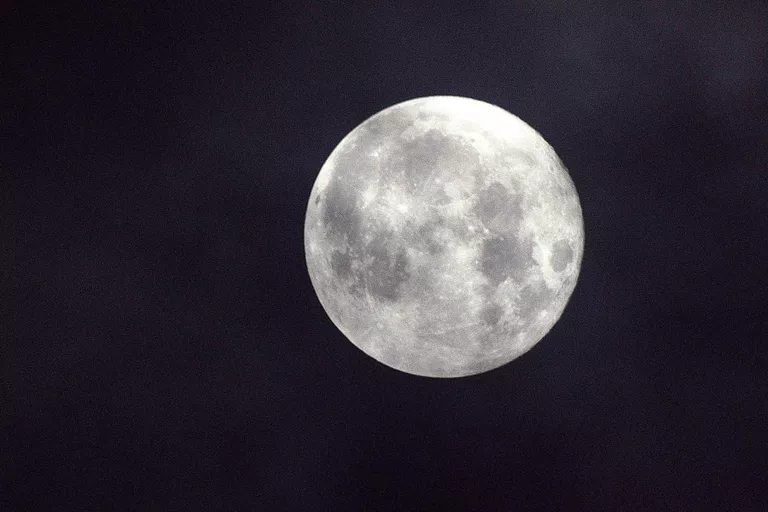
Unexplained lights seen on the Moon are a classic example of a Fortean enigma called Transient Lunar Phenomena (TLP). They have been a mystery and a source of wonder to skywatchers since the earliest times. And yet, as astronomer Peter Grego points out, despite a wealth of detailed observations we seem no closer to an understanding of what these anomalous flashes are.
Not long after the telescope was invented at the beginning of the 17th century, astronomers came to realise that the Moon, our only natural satellite, was not as dynamic a world as the Earth. The dark lunar tracts which early astronomers had somewhat optimistically called "maria" (seas) turned out to be nothing more than deceptively smooth plains of solidified lava. Much to astronomers' disappointment it became apparent that there were no appreciable expanses of water, though the new romantic marine nomenclature was retained, regardless - names like Mare Crisium (the Sea of Crises) and Oceanus Procellarum (the Ocean of Storms) were given in a vain attempt to grant the Moon an air of mystery and excitement [1].
In reality, the Moon's surface appeared solid and unchanging. The Moon possessed no appreciable atmosphere and there were no detectable signs of lunar life; the Church breathed a sigh of relief, having been spared the embarrassment of attempting to explain why the book of Genesis forgot to mention that our sister planet was teeming with the products of DNA.





Comment: What they didn't consider is multiple smaller impacts as well as a larger one off Yucatan, AND overhead cometary fragment explosions.