RTMon, 19 Sep 2016 14:31 UTC
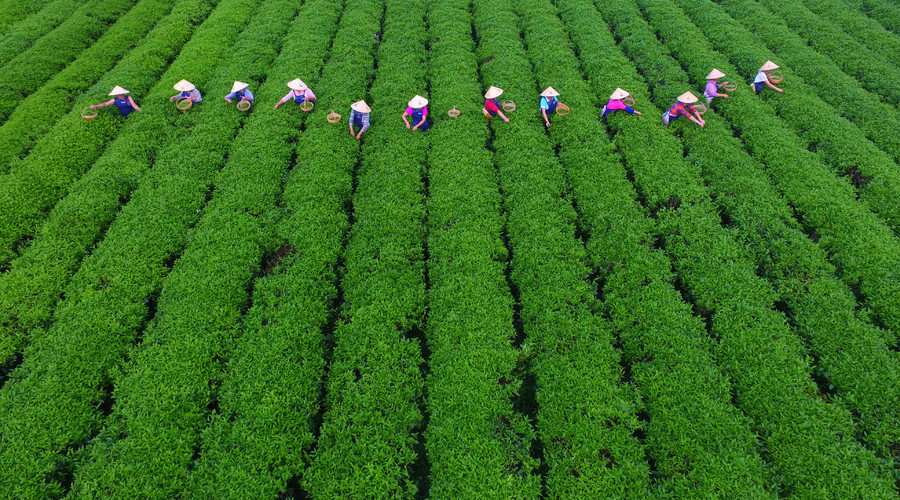
© Sheng Li / ReutersChangsha, Hunan province, China
Over the next four years the Chinese government will invest 3 trillion yuan ($450 billion) into developing the country's agriculture, the official state news agency Xinhua reports.
The state-run Agricultural Development Bank of China and the Ministry of Agriculture have agreed to protect national food security, develop China's seed industry and support the industry via overseas businesses, according to the agency.
The step also aims to raise the efficiency of Chinese agriculture and improve rural incomes.
The Agricultural Development Bank, one of China's main policy lenders, will provide the finance including setting interest rates and offering financial products.
Earlier this year, the bank said it would lend 3 trillion yuan to agriculture as a way to reduce poverty. The agency didn't say if the current commitment was separate from the plan.
This month, China's state-owned ChemChina chemical corporation raised its bid to takeover Swiss agrochemicals and seed supplier Syngenta to $43 billion. The deal triggered food security concerns in the United States, but the US national security panel has approved the deal.
Comment: Interesting development! Would raising the 'efficiency of Chinese agriculture' include becoming a GMO giant?
In November, China National Chemical Corporation (ChemChina) made a failed bid to buy the Swiss-based Syngenta, the world's largest crop chemical pesticide and herbicide producer with 19 percent of the world market. Syngenta is also one of the world's four giant GMO seed patent holders alongside Monsanto, DuPont and Dow, the "Four Horsemen of the GMO Apocalypse," as they are sometimes called. The takeover bid is no spur of the moment whim. It comes after Monsanto's takeover of Syngenta was rejected by the company earlier in 2015. On December 18, ChemChina revealed its seriousness when it made a second larger bid to take Syngenta and all its GMO and pesticide patents and production. The new offer, estimated worth $44 billion, would be the largest corporate takeover in China's history.
The actions of the Chinese leadership on this vital question of the future of the planet's food security are not owing to their ignorance of the issues of the GMO project. Around the time ChemChina launched its November bid for Syngenta, the Chinese government banned one the world's largest independent anti-GMO agriculture media sources, Sustainable Pulse. Though the ban was reportedly later lifted, it makes clear Beijing officials are very much aware of the issues around GMO. For more than twenty years since the US first commercialized GMO crops without independent health and safety testing by the US government, China has blocked development of GMO in China.




Comment: Interesting development! Would raising the 'efficiency of Chinese agriculture' include becoming a GMO giant?