
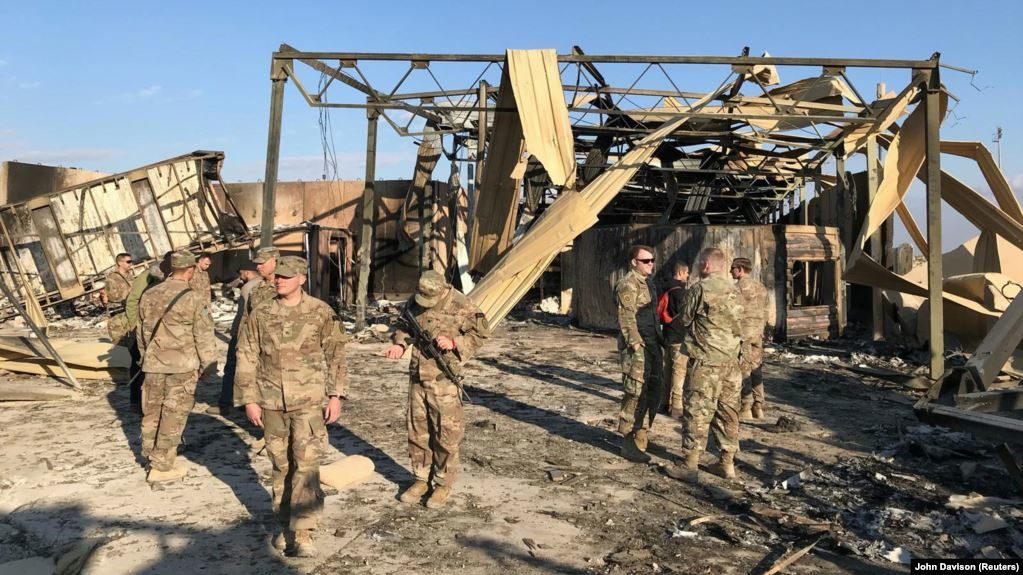
© ReutersU.S. troops inspect the site where an Iranian missile hit at the Ain Al-Asad air base in Iraq.
"While no U.S. service members were killed in the January 8 Iranian attack on Ain Al-Asad air base, several were treated for concussion symptoms from the blast and are still being assessed," Captain Bill Urban, spokesman for U.S. Central Command, said in a statement late on January 16.
"In the days following the attack, out of an abundance of caution, some service members were transported from Ain Al-Asad air base," he said, adding that the troops had been sent to the Landstuhl Regional Medical Center in Germany and Camp Arifjan in Kuwait for further tests.
Urban said that "when deemed fit for duty, the service members are expected to return to Iraq following screening."
There were some 1,500 U.S. soldiers at the base at the time of the attack. Most had been huddling in bunkers after being alerted about the incoming missiles.
The comments confirmed reports earlier in The New York Times and the Defense One publication.
Following the attack, Trump said that Iran "appears to be standing down" after the country carried out the ballistic-missile attack on air bases housing U.S. forces in Iraq.
In a January 8 address to the nation, Trump said that "no American or Iraqi lives were lost" in the strikes, "no Americans were harmed," and that the bases suffered "only minimal damage."
U.S. Defense Secretary Mark Esper echoed those remarks, telling a press briefing on January 8 that "most importantly, no casualties, no friendly causalities, whether they are U.S., coalition, contractor, etcetera" occurred during the attack.
Iran said the missile attacks on the Ain Al-Asad air base and the Harir air base were in retaliation for the killing of Islamic Revolutionary Guards Corps Major General Qasem Soleimani.



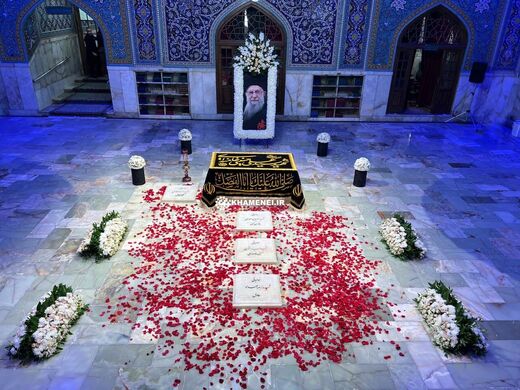

Comment: The Iranians claimed several casualties, and cited internet rumors of dozens of troops sent to Israel for treatment.
There's no evidence for that. But an Arabic paper is claiming 16 American troops were killed in the attack: