
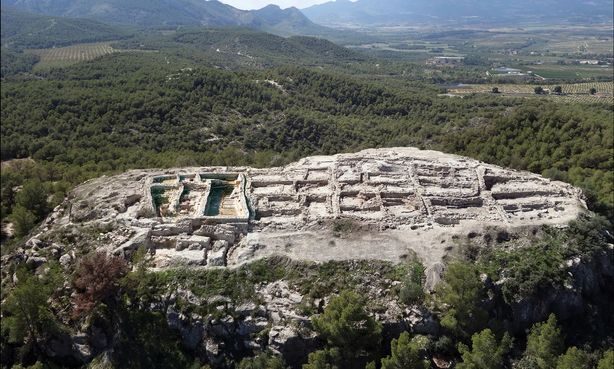
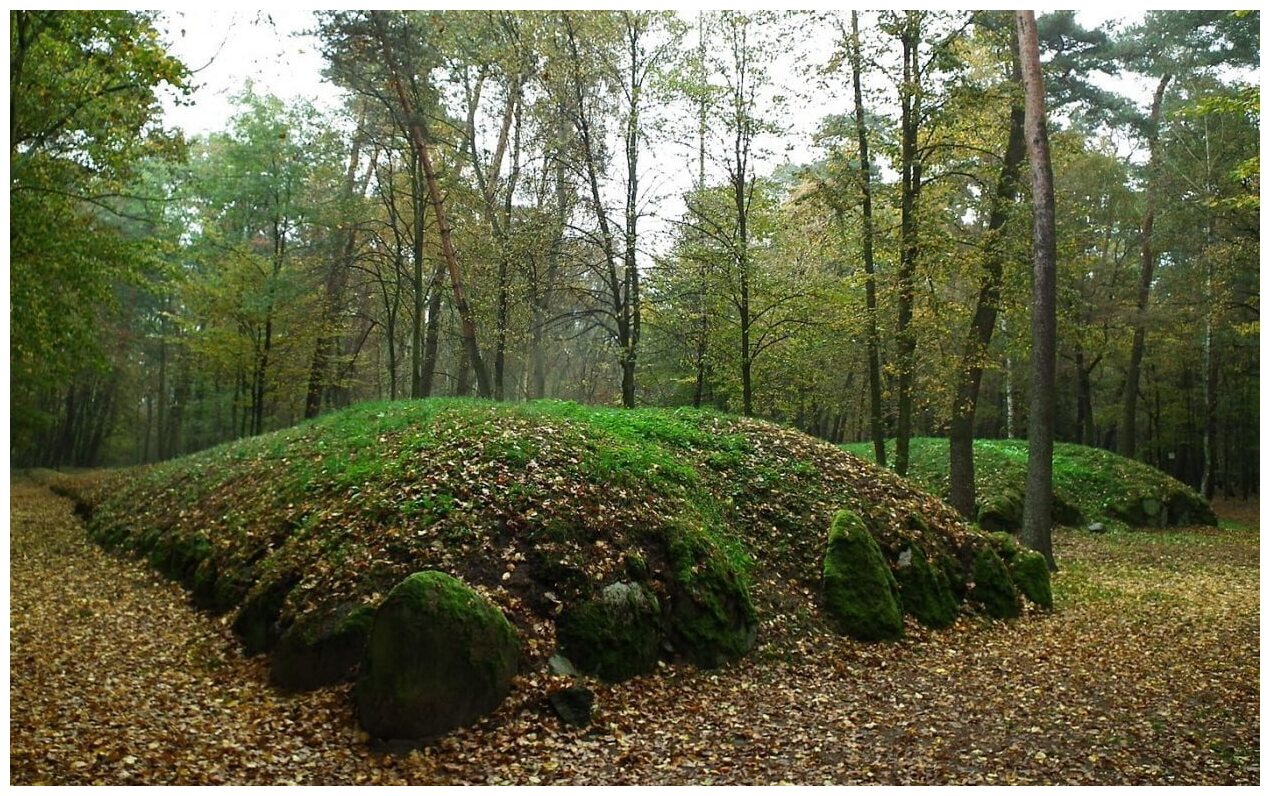
© Cambridge University PressLa Almoloya, in Murcia, southern Spain, home to the El Argar, a society among the first to use bronze.
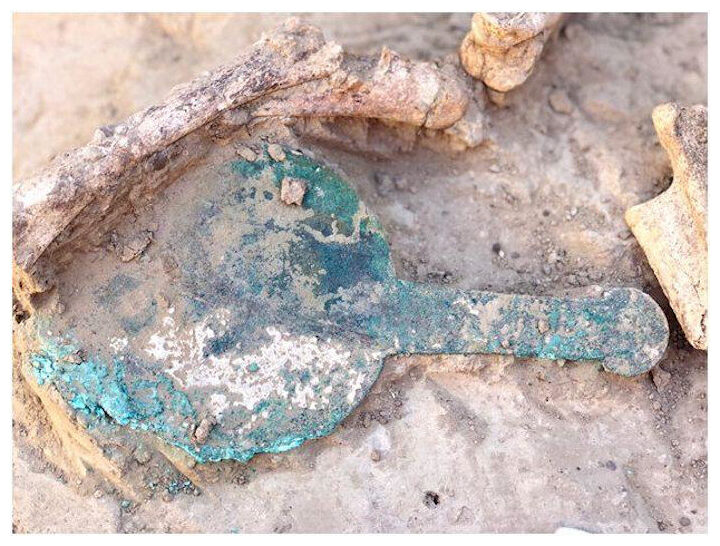
A trove of ornate jewelry, including a silver diadem, suggest a woman buried nearly 4,000 years ago in what is modern-day Spain was a ruler of surrounding lands who may have commanded the might of a state, according to a study published today in the journal Antiquity. The discoveries raise new questions about the role of women in early Bronze Age Europe, and challenge the idea that state power is almost exclusively a product of male-dominated societies, say the researchers.
The remains of the woman, alongside those of a man who may have been her consort, were originally unearthed in 2014 at La Almoloya, an archaeological site among forested hills about 35 miles northwest of Cartagena in southeastern Spain. Radiocarbon dating suggests the burial happened about 1700 B.C., and its richness suggests to the researchers that she, rather than he, may have been at the top of the local chain of command.










Comment: There have been times throughout history where women were leaders, co-rulers, even a few will have been warriors - at certain periods matriarchy appears to have been predominant - however we must be mindful that, increasingly, some researchers appear intent on projecting postmodern ideas into their discoveries: