
April 28th 2023
Dear Prime Minister,
I am the Chairman of the Board of the U.K. Council for Psychotherapy (UKCP), one of the UK's foremost psychological governing bodies. However, I write this open letter in my own capacity. I believe I have a professional obligation to write to you in an attempt to protect the public from any further harm caused by the unethical application of psychological research and practice.
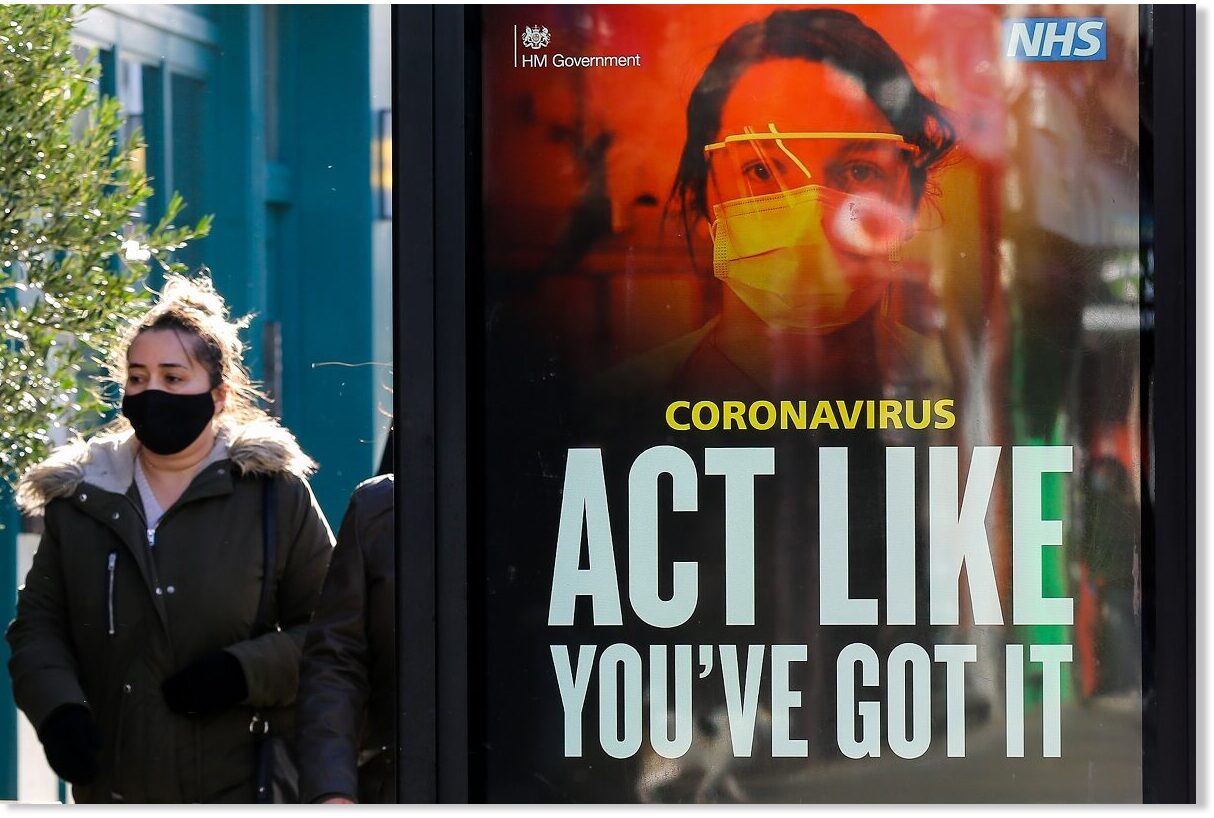
I unreservedly condemn the U.K. Government's use of unethical psychological techniques intended to elicit feelings of fear, shame and guilt, under the guise of behavioural science and insights which were designed to change the public's behaviour without their knowledge and conscious participation. It is now clear that in 2020 the U.K. Government deliberately chose to artificially inflate the level of fear within the U.K. population by exaggerating the risk factors of COVID-19, and concomitantly downplaying the protective factors. We also witnessed the Government's promotion of social disapproval and guilt messaging. These techniques were embedded into a multi-channel, co-ordinated public health campaign designed to change the public's behaviour without their knowledge. Moreover, in tandem with the mainstream media, the Government also proactively suppressed, censored and ostracised any healthcare professional or scientist who suggested alternative responses to COVID-19, or who simply questioned the messaging and measures being implemented by the Government.













Comment: See also: