The Philippine Institute of Volcanology and Seismology (Phivolcs) recorded a phreatomagmatic eruption at the main crater of Taal Volcano in Batangas province Tuesday afternoon, sending jets of gray ash and steam-rich plumes rising 1,200 meters (about 3,937 feet) above the crater.
Taal Volcano is located about 50 miles (80 kilometers) south of Manila, is one of the Philippines' most active volcanoes.
Residents near the volcano are advised to remain vigilant, monitor official Phivolcs updates, and follow local government guidance on preparedness.
The event began at 2:34 pm local time on Tuesday, and lasted approximately four and a half minutes, according to Phivolcs.
A severe hailstorm swept across Yemen's Amran province, covering mountains, farmland and residential areas with a thick layer of hail in a rare midsummer weather event.
The storm, accompanied by heavy rain and thunderstorms, transformed large parts of the province into white-covered landscapes. The heaviest hail was reported in Harf District, where agricultural fields and surrounding areas were blanketed within a short period.
Footage shared on social media showed extensive hail accumulation across rural areas, with local residents describing the weather as highly unusual for the summer season.
Local meteorologists attributed the storm to atmospheric instability caused by northwesterly winds and the convergence of low-, mid- and high-level cloud systems over Amran and the nearby capital, Sana'a. They said the conditions triggered intense thunderstorms and widespread hail across the region.
Forecasters warned that unstable weather conditions could persist in the coming hours, raising the possibility of additional thunderstorms and hail in parts of northwestern Yemen.
The hailstorm came as much of Europe continued to experience an intense heatwave, underscoring the sharp contrast in weather conditions between the two regions.
Japanese police are investigating another suspected fatal bear attack, a local official told AFP on Tuesday, as the number of such deaths remains unusually high.
Bear attacks have been on the rise in Japan in recent years, something scientists attribute to a spike in the animals' population and a declining number of people in rural areas.
On Monday, authorities in northern Aomori prefecture said a man found dead on a mountain may have been attacked by a bear.
"Police are still investigating the cause" of the man's death, but bear bite marks were found on his body, a local official told AFP on Tuesday, not giving his name in line with common practice in Japan.
Video shows lightning strikes the iconic Eiffel Tower as a thunderstorm rages in the skies over Paris.
The rainfall offered a relief from the ongoing heatwave, but authorities urge residents to remain cautious as unstable weather conditions continue across the region.
An early morning storm ripped through Highmore, South Dakota, about 220 miles east of Rapid City, producing a reported 131 mph wind gust that, if sustained, would fall within Category 4 hurricane strength on the Saffir-Simpson scale.
Local KELOLAND meteorologists Scot Mundt and Brian Karstens were absolutely stunned by the wind speed, which reached 131 mph.
Wind statistics for June 29, 2026 in Highmore, South Dakota. It is the 2nd highest wind gust in recorded in the state's history
Unprecedented downpours prompt warning that links and systems adapted to an arid past may struggle to cope with a wetter future
From the night of 19 June, Hotan in Xinjiang experienced its heaviest 24-hour downpour in recorded history.
The resulting flooding in the city, which borders the Taklamakan desert, caused the temporary closure of the expressway, China Weather Network reports.
The extreme rainstorm was caused by two banks of moist air converging over southern Xinjiang, explained China Weather Network analyst Xin Xin. The rainfall accumulated in the mountainous areas and, together with snowmelt runoff, caused flash floods, he added.
Though Xin Xin did not mention climate change as an exacerbating factor, other commentators have.
There has been snowmelt-induced flooding in the same Tarim basin area before, for instance in 2021 and the summer of 2022. But the rainfall was much more intense this time than in 2021, Tang Peng, director of the Hotan Meteorological Observatory, told Qilu Evening News.
Comment: From the above first link in the article:
How rare was this rainstorm? According to Xin Xin, chief meteorological analyst at @ChinaWeather.com, as of 7 PM on the 20th, Hotan's 24-hour cumulative rainfall reached 64.7 mm, with a single-hour rainfall of 34.3 mm between 12 PM and 1 PM, both breaking local historical records. From 11 AM to 2 PM on the 20th, Hotan experienced 53.8 mm of rainfall in 3 hours, exceeding the local average annual rainfall, equivalent to receiving a whole year's worth of rain in just 3 hours—the rainfall was extremely heavy.
At least 13 people have died in Ghana's capital, Accra, after torrential rain resulted in severe flooding, according to the fire service which has been involved in rescue efforts.
The government has urged people to stay indoors or move to higher ground, as the meteorological agency warned further rain was expected with a big storm approaching from the east.
Much of the water from Sunday night's downpours has begun to recede, but as the recovery operation continues, the Ghana National Fire Service (GNF) said the death toll could rise.
Low-lying areas were particularly impacted. Videos circulating on social media show homes and vehicles submerged, while many buildings have been destroyed.
Emergency response teams have been deployed to the flood-affected region, including from the police, fire service, the military and the National Disaster Management Organisation.
Monsoon rains triggered the collapse of a slag heap at a disused jade mine in northern Myanmar, killing five people and leaving around 15 others missing. The victims were freelance scavengers searching for gem fragments when the heap gave way late Sunday (June 28) in Kachin state's Hpakant township.
State media reported that approximately 20 scavengers were working under floodlights when they were buried. The Global New Light of Myanmar newspaper stated that days of heavy rain had left the old mine waste heaps unstable. Search teams continue to dig for those who remain missing. "The collapse occurred after days of heavy rain left old mine waste heaps unstable. At least five people have been confirmed dead, and around 15 remain missing. Search teams continue digging for those still missing," the publication reported.


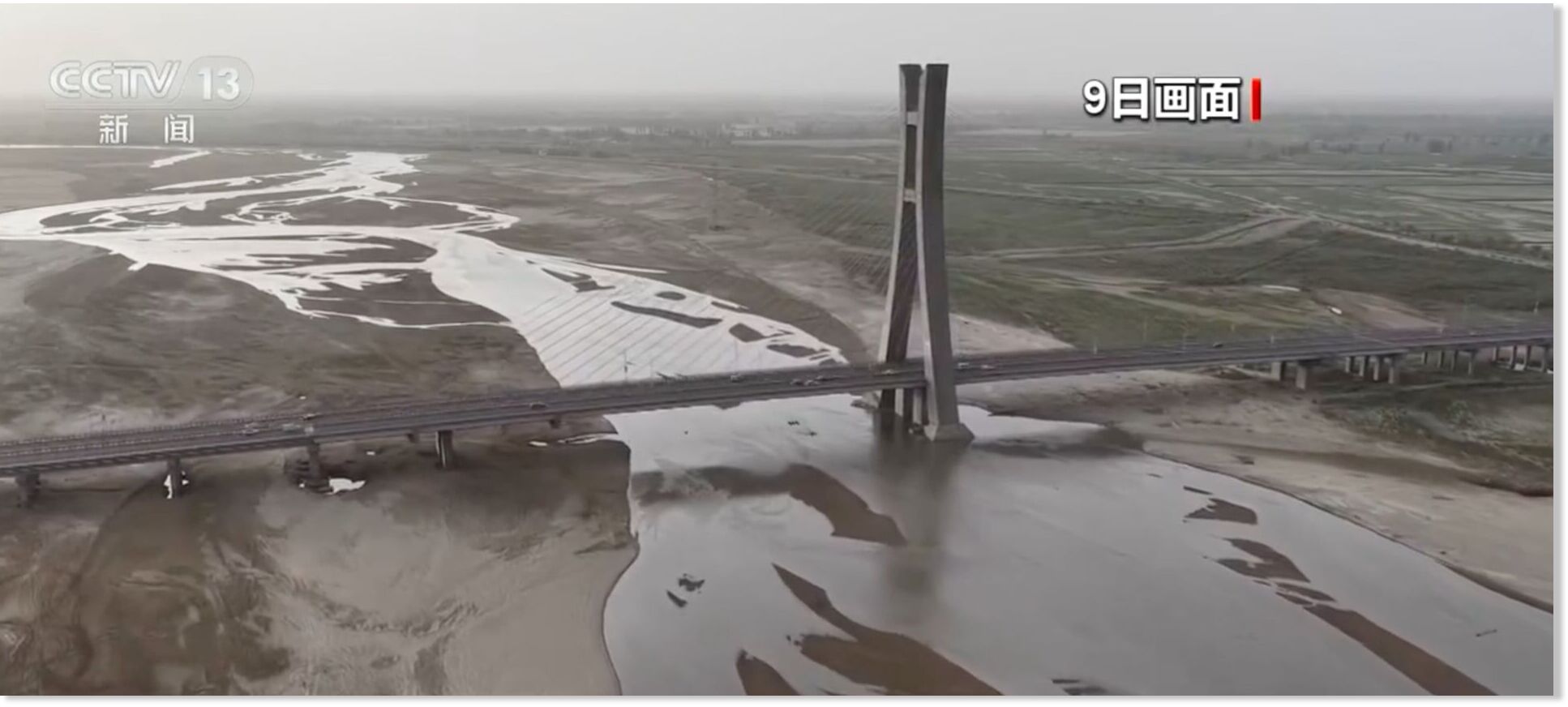




Comment: From the above first link in the article: