OF THE
TIMES

Cutting carbs can increase risk of diabetes and other diseases, experts warnAh experts. Where would we be without their anonymous guidance dictating dietary advice well over three decades old.
"Novel dietary supplement as it contains naturally occurring glycosaminoglycans and proteins essential for maintaining healthy joint and connective tissues ... 500 mg taken once daily, significantly reduced pain, both rapidly (seven days) and continuously (30 days)."1It may interest you to know that the researchers involved in the study concluded that none of the participants exhibited any adverse effects in the course of the study. A significant percentage of the participants experienced considerable improvements, and the authors deemed the crushed eggshell treatment to be "well tolerated."2
MicroRNAs are used by cells to modify many processes, including how cells grow and die, as well as restore balance in cell function. Many researchers feel that delivering the right microRNAs offer tremendous potential in the treatment of virtually every human disease.
Until recently scientists thought microRNAs were only made by our own cells, but new research shows that microRNAs from plants are absorbed from the diet and affect cell function just like the microRNAs transcribed from our own DNA. In other words, the microRNAs that we ingest from plants can influence the expression of our genetic code and cell function. Since microRNAs affect the expression of up to 30% of our genes, these results are extremely thought-provoking and provide another avenue that plant foods may be influencing our health and reducing our risk for certain diseases.
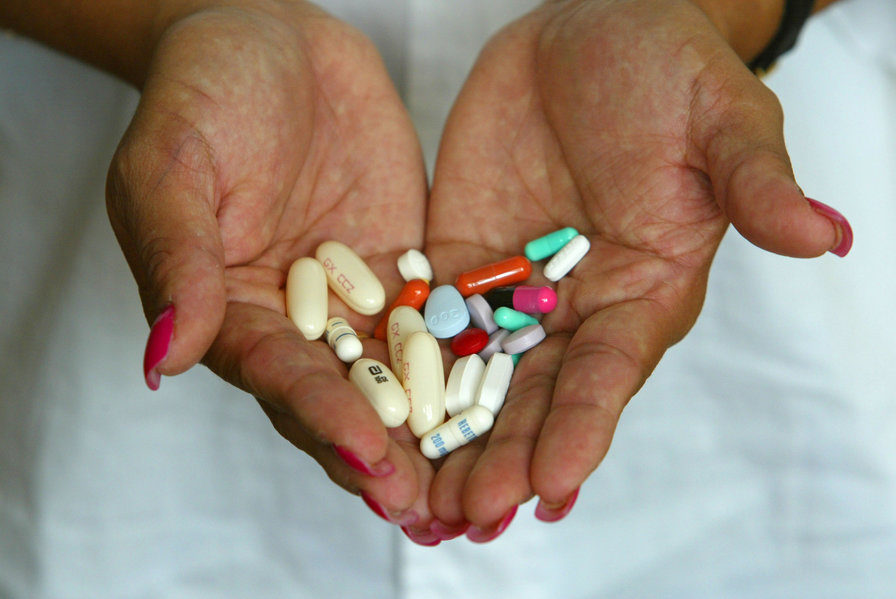
"This study concludes that overtreatment with antidepressants is very prevalent and that a considerable proportion of long-term use has no clinical justification," the authors write. "As such, this study aims to reduce inappropriate long-term antidepressant use in general practice."Research has demonstrated that antidepressant drugs are not significantly superior to placebo at reducing depressive symptoms except in cases of severe depression. However, clinical practice has failed to reflect this research and antidepressants continue to be prescribed as a first-line treatment for mild to moderate depression. The question of how to withdraw from antidepressants when they have been prescribed inappropriately has become central to remediating overtreatment.
Comment: See also: