
© Mystic Art Design from Pixabay
The researchers figured that those who do not accept that coal makes storms and floods must be motivated by their desire to keep on polluting, or flying, or feeling warm, and so they lie to themselves about the science in order to feel OK about it. (A bit like academics must do when it turns out they get paid well, but don't know their research topic at all, maybe?)
It must have been quite the shock when they were proved wrong on every single experiment. They even tried to bribe skeptics with $20 cash rewards and it still wasn't enough.
Why are people climate change deniers? Study reveals unexpected results
Do climate change deniers bend the facts to avoid having to modify their environmentally harmful behavior? Researchers from the University of Bonn and the Institute of Labor Economics (IZA) ran an online experiment involving 4,000 US adults, and found no evidence to support this idea. The authors of the study were themselves surprised by the results.
One hypothesis is that these misconceptions are rooted in a specific form of self-deception, namely that people simply find it easier to live with their own climate failings if they do not believe that things will actually get all that bad. "We call this thought process 'motivated reasoning,'...
The only thing the study showed was the dire state of psychological science. For starters, researchers were oblivious to their own prejudice and incompetent background research. They can't define a climate change denier in any scientific sense, it's not a label of a group of homo-sapiens who think the climate never changes, it's just a petty kindergarten insult designed to fool, well,... psychologists. And it works. If they had spent five minutes reading skeptical web-sites they'd know that half the population have good reason to be skeptical of unaudited and unaccountable foreign committees which rely on broken models. In fact if they were looking for "motivated reasoning" in the climate debate (and they say they were) then most of it is on the believer side, where people might be motivated by
billions of dollars in government grants.Zimmermann and his colleague Lasse Stötzer told people they could decide where a $20 donation went — they could choose which climate charity would get the cash, or they could keep it themselves. The "control" group weren't allowed to keep the cash themselves. Basically 41% to 44% of the crowd kept the money. But amazingly more than 50% still gave the cash to a climate charity. Humans are nice people, really. I mean, they could all have kept the cash, and most didn't. Presumably no one wants to look too scroogy in front of researchers, but some people know climate charities are pagan institutions designed to cheat money from the poor and give it to billionaires — so it's better to look like a scrooge than feed the machine.
At the center of the experiments was a donation worth $20. Participants were allocated at random to one of two groups. The members of the first group were able to split the $20 between two organizations, both of which were committed to combating climate change. By contrast, those in the second group could decide to keep the $20 for themselves instead of giving it away and would then actually receive the money at the end. "Anyone keeping hold of the donation needs to justify it to themselves," says Zimmermann, ... "One way to do that is to deny the existence of climate change."




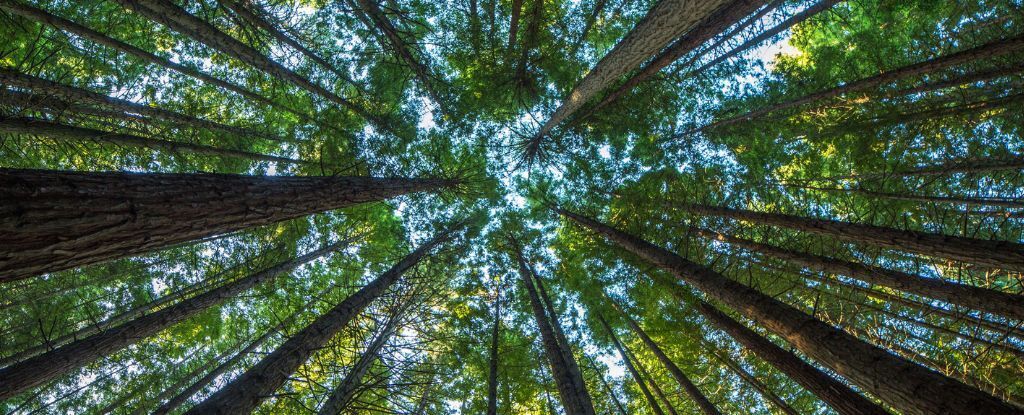





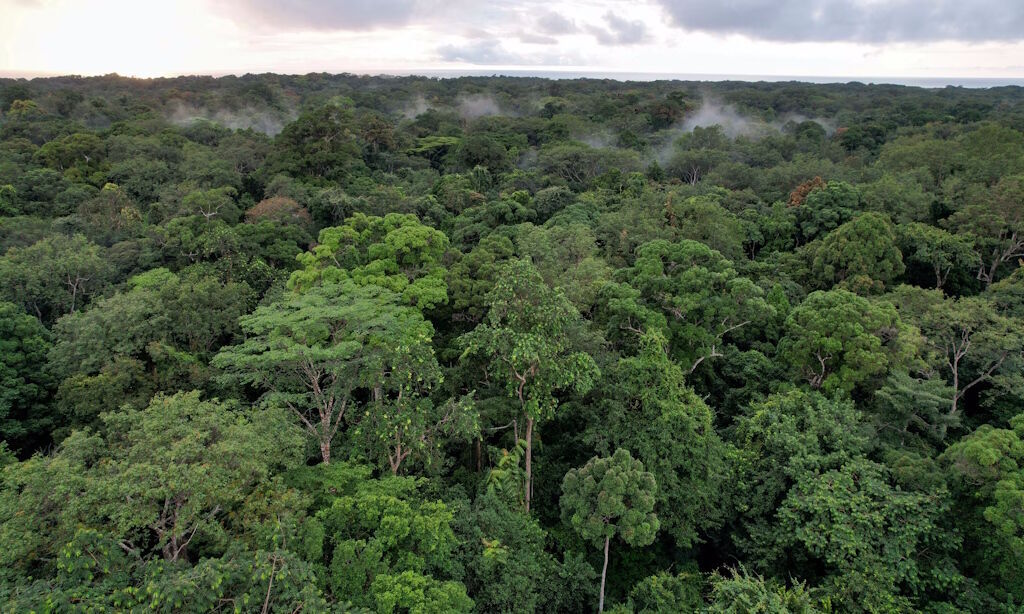



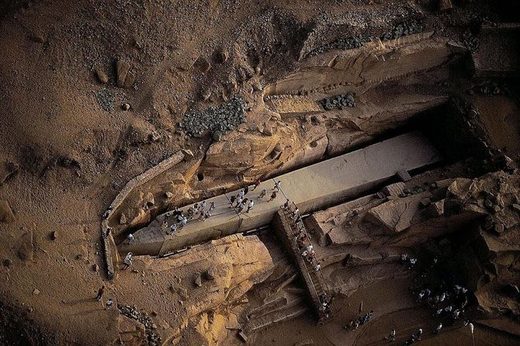
Comment: One term not mentioned in the article, that may be of interest, is 'crown shyness':