Scientists have discovered that over half a mile of DNA could hold over 360,000 terabytes of data.
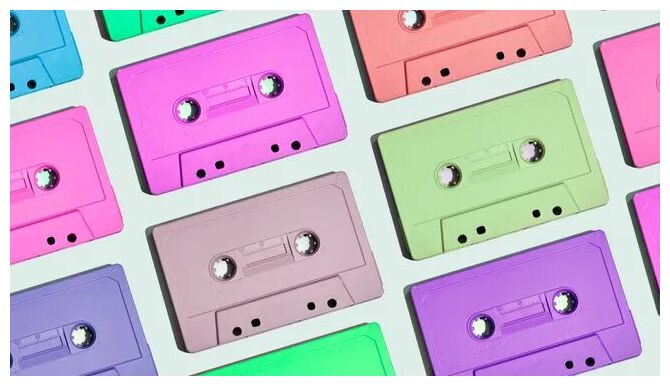
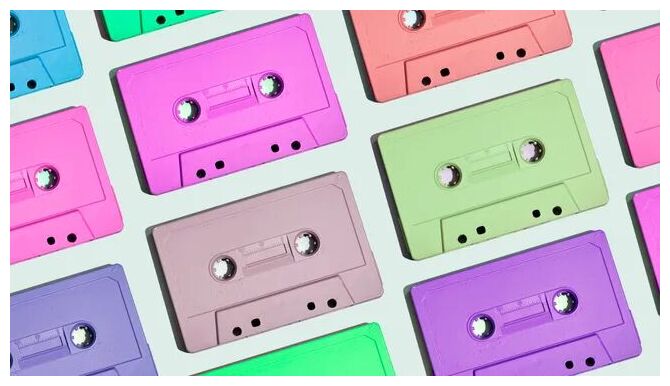
© Javier Zayas Photography/Getty ImagesThe "tape" can be fed into a device that reads, retrieves and modifies the files.
Running out of space on your phone? Don't upgrade your cloud-storage subscription just yet. Scientists in China have discovered that images, text files and other digital data can be stored in strands of DNA fused to a 330-foot-long (100 meters) plastic strip capable of holding the equivalent of 3 billion songs.
It's a far cry from a device that Microsoft built in 2016, which managed to squeeze 200 megabytes of data into a dab of DNA
"much smaller than the tip of a pencil."The new "tape" can even be fed into a cassette-player-like reader that can scan the strip, pinpoint a chosen file, and retrieve it on demand. The team outlined their findings in a study published Sept. 10 in the journal
Science Advances.DNA is a long, double-helical molecule made from a unique sequence of four chemical bases — adenine (A), cytosine (C), guanine (G) and thymine (T) — that together encode the genetic information of an organism. Similarly, every digital file is ultimately a combination of 1s and 0s that a computer can interpret as a PDF, JPEG or other file type.
If each base were to represent a specific pattern of 0s and 1s, then a piece of artificial DNA could be encoded to contain the binary code for digital files. This type of molecule does not come from a living organism, but is assembled in the lab by linking pre-manufactured nucleotide building blocks together in the desired sequence.
This is what the scientists did before printing the encoded DNA on a long piece of tape. A solution containing the strands was passed over the strip so they adsorbed to the polymer surface.
"DNA has the potential to become the next-generation information storage medium due to its high storage density," the authors wrote in the study. "The rolled configuration of the DNA tape efficiently maximizes the spatial utilization of the material, enabling portability and extending the number of available areas and storage capacity by increasing its length."
Each section of the tape is printed with a barcode indicating which file is held there. A camera on the cassette-player-like machine then scans the tape as it moves between its two rollers, locates a file and dips that spot into a basic solution that releases the DNA. The DNA can then be sequenced, and that sequence of bases can be translated into the file's code.


















Comment: As has been documented on Sott.net and elsewhere that there has been a significant increase in meteorites in recent years with no signs of letting up. The latest graph from Fireball.imo.net bears witness to it and 2025 sets a new record even though the year isn't over yet.