Introduction: There is an adage that states that we as human beings are what we eat. Studies are demonstrating that this concept has more merit than once believed and when we put into the body those things that not only support physiological needs but also those needs of the commensal organisms that reside within the body all benefit. It is important to understand that these healthy species of microorganisms residing in the GI tract have lived symbiotically with humans since the beginning are responsible for the creation of healthy compounds produced as a byproduct of their metabolism. When patients can recolonize these beneficial microbes their health conditions improve dramatically. Elson M. Haas, MD., the author of several nutrition books to include,
The Detox Diet, claims that "gastrointestinal function and ecology are at the core of human health" (Haas & Chase, 2004, p. 13).
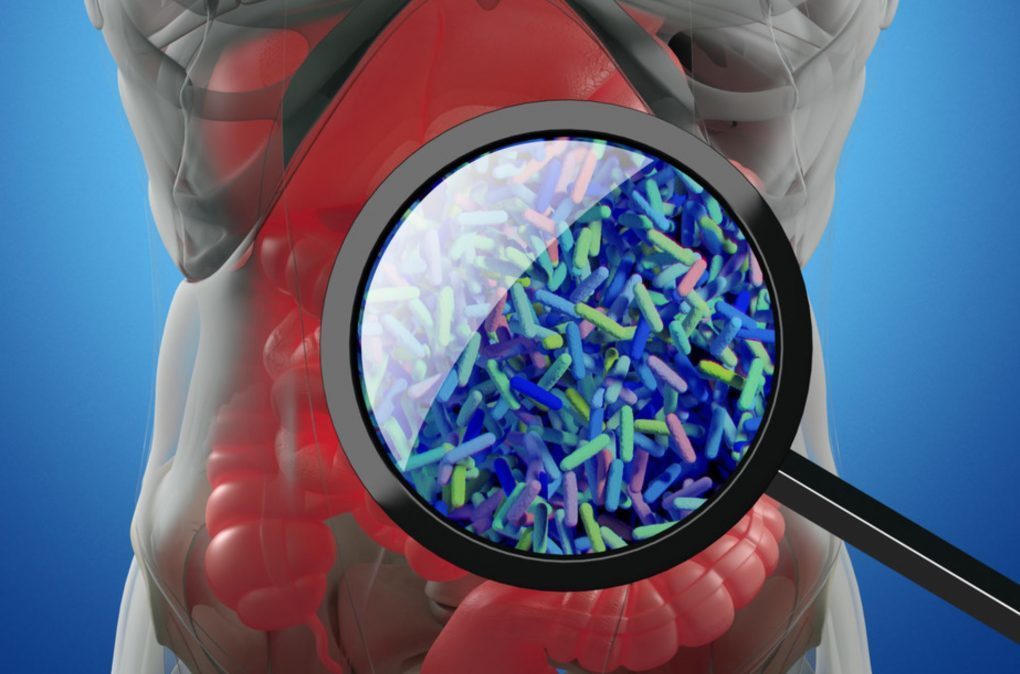
The human body hosts about 100 trillion microbes that are very diverse and perform a range of essential and beneficial functions. Our appreciation of the importance of the symbiotic relationship human beings have with these microbial communities to many aspects of human physiology has grown dramatically in recent years (Rogers et al., 2016). This microbiome coexists with gut pathogens, helps regulate the immune system, regulates the endocrine system, and modulates digestion. Eubiosis is state of sufficient friendly flora or bacteria inside the intestines.
When the large intestine is healthy and functioning optimally, it produces friendly flora within the intestinal walls and then releases these microbes into the canal of the intestines as needed. The purpose of this intestinal flora is to manage, guard and protect against the overgrowth of yeast, bacteria, viruses and other germs and worms. Acidophilus and Bifidobacterium are two examples of friendly flora produced by the large intestines.








Comment: Additional 'truths' the pharmaceutical empire does not want exposed: