Health & WellnessS


Microscope 1

Viral rescue: The germs' eye view of infection

Virus
© Photo courtesy David Gregory & Debbie Marshall/Wellcome ImagesColour-enhanced image of the bacteriophage T4.
She was only 22 years old, but her attending doctor in Texas was running out of options. The sticky substance coating the patient's lungs was par for the course with cystic fibrosis (CF); mucus is a signature of this heritable, progressive and incurable disease. So, too, is infection. But this time, a particularly nasty and stubborn bug had taken hold. The persistent presence of bacteria was putting an additional burden on the young woman's already overtaxed respiratory system, and chronic infection degrades lung function. The best antibiotics Western medicine had to offer had failed.

The Scottish physician Alexander Fleming discovered the first modern antibiotic, penicillin, in 1928. In 1945, Fleming issued a warning: should we misuse or overuse antibiotics, bacteria can and will resist. Today, resistance has become a scourge of modern medicine. Not only did we deploy antibiotics to save lives, but for commercial gain - pumping them into industrial farm animals, from cows and pigs to chicken and fish. Under pressure from this assault, bacterial populations did what they'd done for aeons: evolve or die. Those strains that could survive antibiotics are now winning the evolutionary race, and we are progressively running out of cures.

Brain

Getting only 6 hours of sleep is linked to mental health issues

cellphone in bed
© plainpicture/photocake.deIt’s not worth skimping on sleep.
You might think you can get by on 5 or 6 hours' sleep a night, but people who get less than 7 hours are more likely to have mood or mental health problems.

A severe lack of sleep has been linked to mood disorders, depression, anxiety and Alzheimer's disease. But much less is known about the effects of skimping on a little sleep each night, missing the recommended amount by an hour or so.

According to the US National Sleep Foundation, most adults should get 7 to 9 hours of sleep a night, while 6 hours may be okay for some people. Anything under 5 hours is deemed insufficient.

Comment: See also:


Megaphone

Vaccine fear mongering: WHO warns Miami at risk of yellow fever outbreak

yellow fever hazard
Miami is at risk of a deadly yellow fever outbreak because the disease could thrive there but the city has no checks on travelers arriving from endemic zones, a study to be published by the World Health Organization showed.

Yellow fever is spread by the same mosquito that causes Zika virus, which spread through the Americas after being detected in Brazil in 2015 and has been reported in southern Florida and southern Texas.

The U.S. Centres for Disease Control advises that yellow fever is found in tropical and subtropical areas of Africa and South America, and is a very rare cause of illness in U.S. travelers.

But the study, "International travel and the urban spread of yellow fever", showed that almost 2.8 million people flew to the United States from endemic yellow fever areas in 2016.

Unlike some countries, the United States does not require travelers from such places to show proof of yellow fever vaccination.

Health

Carrageenan: The toxic extract lurking in your organic food

carrageenan caution
Carrageenan, a food additive extracted from red seaweed, is commonly added as a thickening agent to processed foods, particularly dairy products, certain deli meats and other prepared foods. Since it comes from seaweed, many people assume carrageenan is natural - perhaps even healthy - and along with conventional foods this additive is often found in "natural" and organic products.

The problem is that carrageenan is not nutritious, nor is it natural or certified organic. It's a processed additive extracted from seaweed using alkali, and research suggests it's highly inflammatory, triggering an immune reaction that may cause inflammation in your gastrointestinal system and related problems.1 As such, organic watchdog groups such as The Cornucopia Institute have called for it to be removed from the U.S. list of approved organic ingredients.

In December 2016, the National Organic Standards Board (NOSB), the U.S. Department of Agriculture's (USDA) expert advisory board, voted to do just that. After hearing evidence on the potential health risks and the availability of alternative ingredients, NOSB voted to remove carrageenan from the organic ingredients list. Unfortunately, the vote is technically only a recommendation, and while the USDA has historically almost always sided with their expert panel, in April 2018 they did just the opposite.

Comment: More on carrageenan:


Microscope 2

Flesh-eating disease Buruli ulcer increasing at alarming rate in Australia

Buruli ulcer
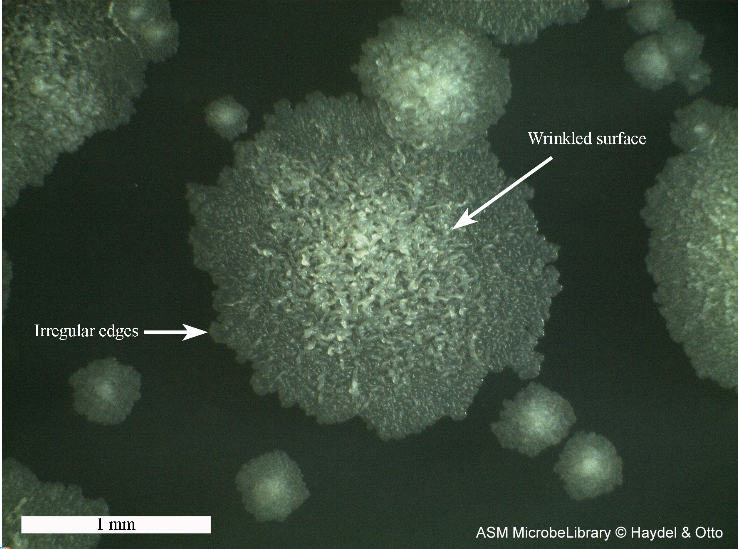
© Haydel & OttoMycobacterium Ulcerans
A flesh-eating disease known as the Buruli ulcer, which is usually found in West and Central Africa, has been increasing at an alarming rate in Australia over the past two years, especially in the state of Victoria.

A report published Tuesday in the Medical Journal of Australia describes the disease as a "worsening epidemic, defined by cases rapidly increasing in number, becoming more severe in nature and occurring in new geographic areas."

Comment: Well that's disturbing.

See also:


Health

Cure for cavities? Researchers use proteins to regrow tooth enamel

dental cavity procedure
Researchers at the University of Washington have designed a convenient and natural product that uses proteins to rebuild tooth enamel and treat dental cavities.

The "modern" theory of dental disease suggests that we have an almost total lack of power and responsibility concerning this condition. Children's cavities are on the rise, and children today who have cavities are requiring more expensive and extensive dental surgery to hide the problems of dental decay.

The research finding was first published in ACS Biomaterials Science and Engineering.

"Remineralization guided by peptides is a healthy alternative to current dental health care," said lead author Mehmet Sarikaya, professor of materials science and engineering and adjunct professor in the Department of Chemical Engineering and Department of Oral Health Sciences.

Comment: See also:


Life Preserver

SOTT Focus: A Pre-agricultural Diet Promises More Than Immunomodulators in Multiple Sclerosis and Other Neurodegenerative Diseases

Multiple Sclerosis
Multiple sclerosis is a demyelinating autoimmune neurodegenerative disease of the central nervous system that affects the brain and spinal cord. Autoimmune means that defenses in the body that normally protect us from infections get confused, attacking the person's own tissues. According to Dr. Ricardo Buzó and Dr. Jorge Correale, experts in this disease, "myelin is the object of attack in multiple sclerosis, which is like the rubber coating of a cable. In this analogy the rubber is made of fat. When myelin is lost, two phenomena occur: the impulse is conducted more slowly and a short circuit occurs, because the information travels where it does not have to travel."

One of the forms of multiple sclerosis is the relapses or remissions form, representing 70% of all cases. It can be very multifaceted with a single symptom or several of them. One of the most common is eye pain and loss of vision, usually from only one eye. The other frequent symptoms are sensory and motor ones. Sometimes balance disorders appear.

Multiple sclerosis may progress steadily or in acute attacks, followed by temporary remission of symptoms.

As a result of the attack on myelin, patients with multiple sclerosis (MS) then suffer from muscle spasticity, severe pain, muscle weakness, imbalance or loss of coordination, chills, loss of vision and difficulty falling asleep.

Microscope 2

Epstein-Barr virus linked to seven serious diseases, and possibly 94 more

Epstein Barr Virus virions
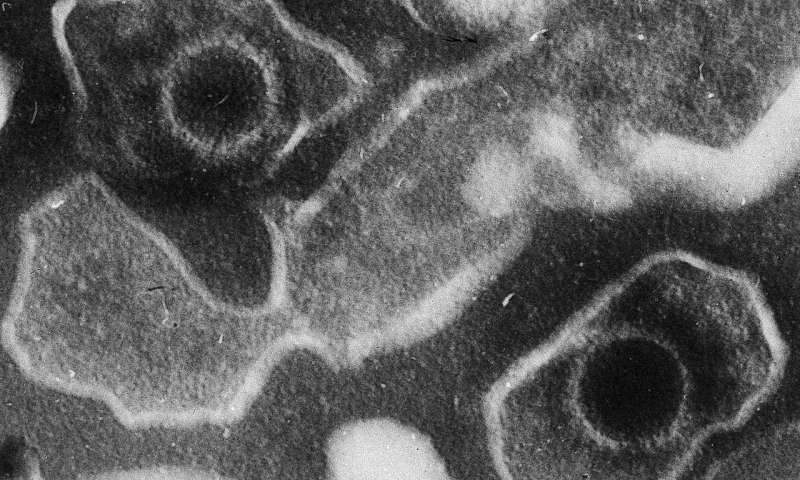
© DOI: 10.1371/journal.pbio.0030430.g001This electron microscopic image of two Epstein Barr Virus virions (viral particles) shows round capsids—protein-encased genetic material—loosely surrounded by the membrane envelope.
A far-reaching study conducted by scientists at Cincinnati Children's reports that the Epstein-Barr virus (EBV) - best known for causing mononucleosis - also increases the risks for some people of developing seven other major diseases.

Those diseases are: systemic lupus erythematosus (SLE), multiple sclerosis (MS), rheumatoid arthritis (RA), juvenile idiopathic arthritis (JIA), inflammatory bowel disease (IBD), celiac disease, and type 1 diabetes. Combined, these seven diseases affect nearly 8 million people in the U.S.

Study results published April 12 in the journal Nature Genetics. The project was led by three scientists: John Harley, MD, PhD, Director of the Center for Autoimmune Genomics and Etiology (CAGE) at Cincinnati Children's and a faculty member of the Cincinnati VA Medical Center; Leah Kottyan, PhD, an immunobiology expert with CAGE; and Matthew Weirauch, PhD, a computational biologist with the center. Critical contributions were provided by Xiaoting Chen, PhD, and Mario Pujato, PhD, both also in CAGE.

Comment: That there may be a viral connection to many other diseases, including autoimmune conditions, is very intriguing. Given that EBV is so ubiquitous, further developments along this line of research could prove to be quite promising.

See also:


Microscope 1

New discovery explains how the chickenpox and shingles virus remains dormant

Electron micrograph of a varicella zoster virus
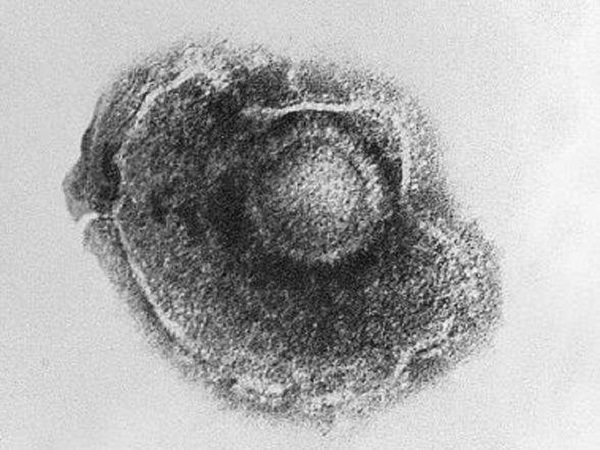
© Centre for Disease Control/Dr. Erskine Palmer/B.G. Partin, Source: Public Health Image LibraryElectron micrograph of a varicella zoster virus.
A research team led by UCL and Erasmus University has found a missing piece to the puzzle of why the virus that causes chickenpox and shingles can remain dormant for decades in human cells.

Described in a recent paper in Nature Communications, researchers discovered there is an RNA transcript in the varicella zoster virus (VZV), that continues to remain active after a person has recovered from chickenpox.

Most adults worldwide are infected with VZV, which stays dormant after chickenpox has cleared, but can reactivate later in life - in about 30% of people - as shingles, which causes both a painful rash and the potential for more serious complications including debilitating pain, blindness or a stroke.

Comment: It is a mystery why some viruses remain dormant. Perhaps they're waiting for the right environmental factors before activating. Remember that research is showing that some viral infections actually confer benefit to the host.

See also:


Attention

Australia flesh-eating ulcer 'epidemic' a mystery, say doctors

Buruli ulcer
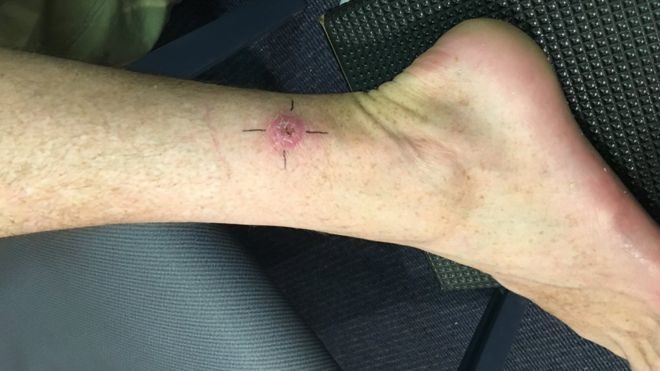
© DANIEL O'BRIENVictoria has seen a spike in recent cases of the Buruli ulcer
Doctors in Australia have called for urgent research into why a flesh-eating ulcer has become a "worsening epidemic" in the state of Victoria.

Local cases of Buruli ulcer, a skin disease most commonly found in Africa, have surged by 400% in the last four years, experts say.

Infections have also become more severe and spread to new areas.

Doctors do not know how to prevent the disease, which is caused by bacteria that breaks down tissue.

WARNING: Graphic image below

A record 275 new infections were recorded the state last year, marking a 51% increase on 2016.

Infectious diseases expert Dr Daniel O'Brien said cases of the Buruli ulcer, or Mycobacterium ulcerans disease, had become "frighteningly more common and also more severe" in the region.

It was unclear why the ulcer, typically found in tropical areas, had emerged in the temperate climate of Victoria, he said.