
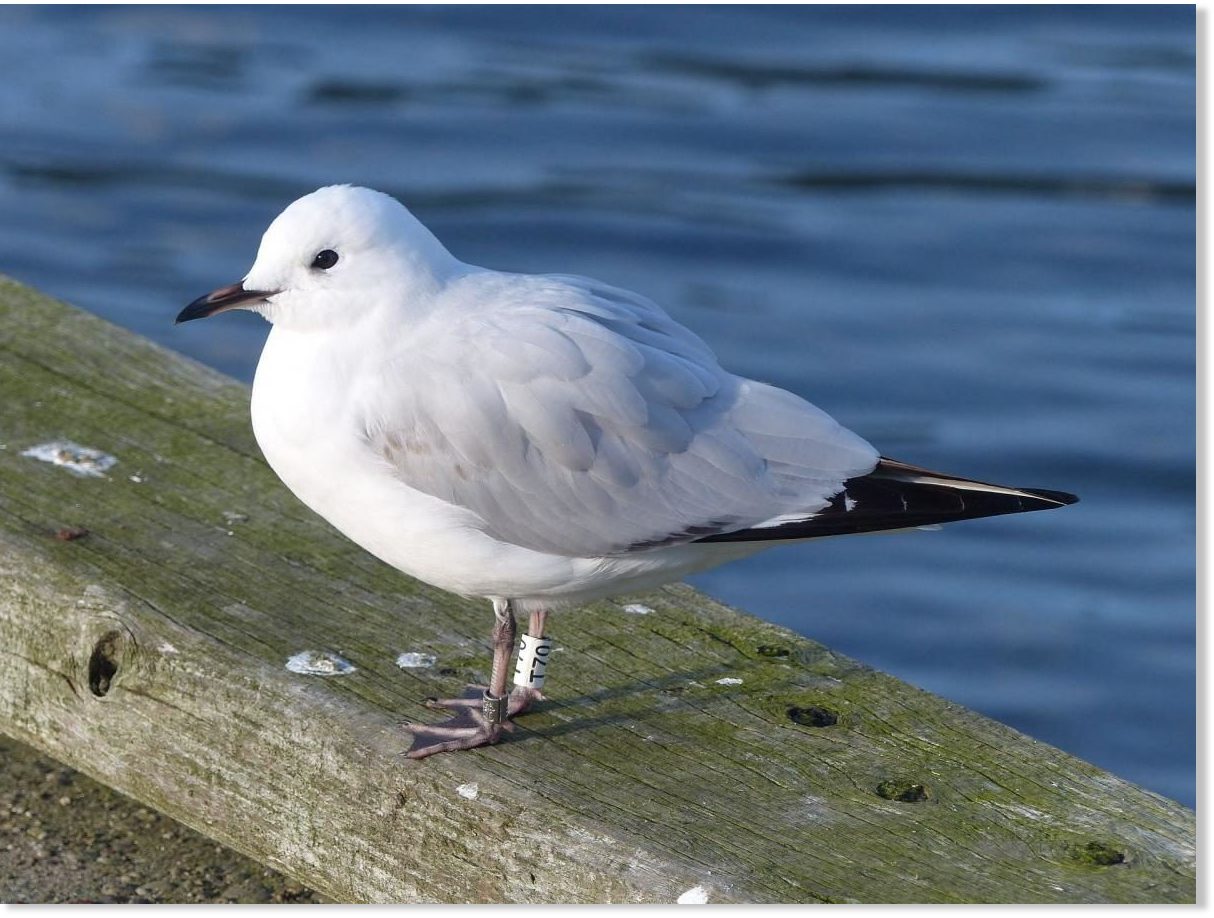
It is believed that the black-billed gulls starved to death.
An estimated 150-200 fledgling birds were found dead near the Waikaia gold mine and Waikaia River at the beginning of the year, where they had been nesting within the wider area of their colony.
Department of Conservation senior ranger Rosalind Cole said testing carried out by staff at Massey University revealed the probable cause of death as starvation.
Autopsies of the birds revealed they were in poor condition and their stomachs were empty, Cole said.
There just happened to be no food at the particular time that the birds fledged, she said.
Fledglings were leaving mum and dad and going out on their own to survive, she said
"It's a pretty tough time for any bird.
It had been quite dry around Christmas, which possibly contributed to a lack of invertebrates for the birds to feed on, Cole said.
"Once they are too weak to fly they can't go and forage."
The gold mine where they were found did a good job of keeping an eye out for the birds, Cole said.
Cole said the gulls, which are endemic to New Zealand, were also "critically endangered".
According to a 2008 study, 70 per cent of the birds were located in Southland, with 25 per cent spread over the rest of the South Island and 5 per cent in the North Island.
Cole said while they looked and acted similar to their red-billed counterparts, they were more commonly found inland where they formed colonies on gravel riverbeds.
"They love wide open spaces with no vegetation."
The 2008 figures show there was still a population of 90,000 mature birds, numbers had declined by more than 70 per cent since the 1970s.


Reader Comments