
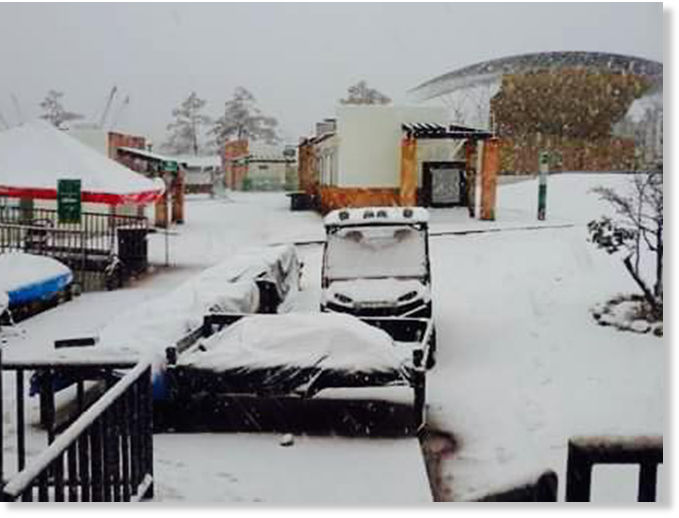
Snow cover in Mexico
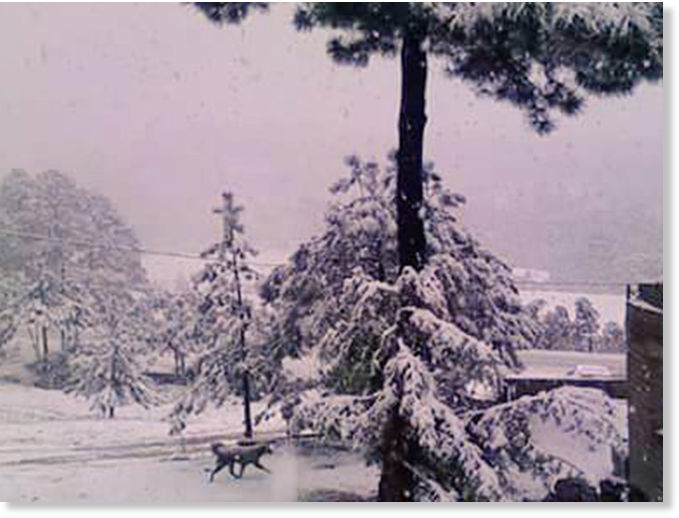
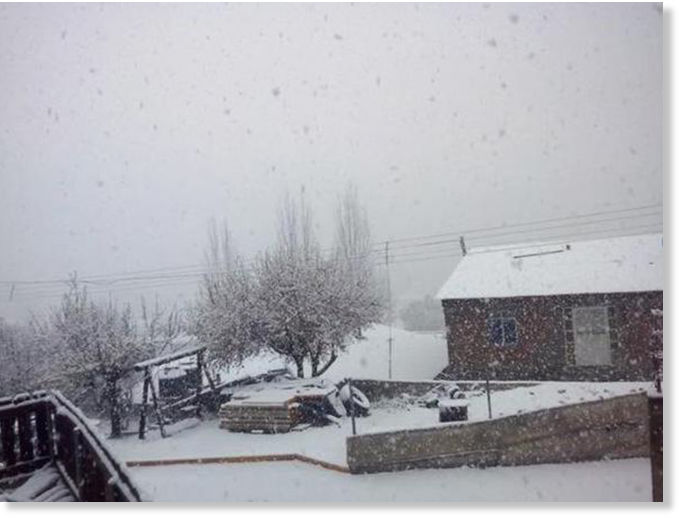
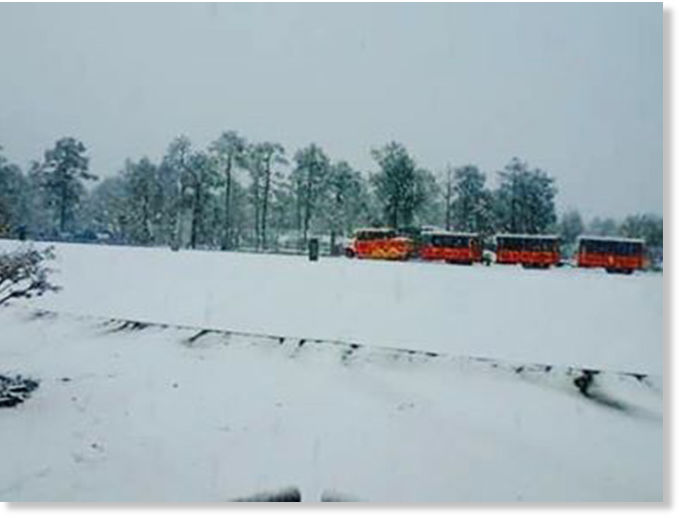
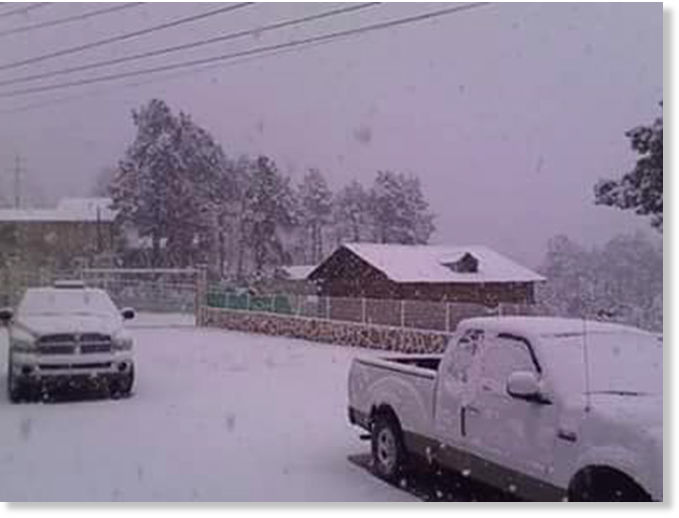
A snowstorm struck the high Sierra Tarahumara of Chihuahua, causing the closure of some roads leading to the town of San Rafael, in las Barrancas el Cobre (the Copper Canyon).
The operating director of the State Civil Protection Unit, Virgilio Cepeda, said heavy snowfall began at 8:00 pm on Sunday in the municipalities of Bocoyna, Guerrero, Urique, Madera, San Rafael and Ocampo. Cepeda advised tourists returning from vacation to take precautions.
In these municipalities the snow reached a height of 10-20 cm (4 to 8 inches).
Snow also fell, not as intense, in at least 10 other municipalities, including Matachí, Temósachi, Cuauhtémoc and Carichi.
Thanks to Argiris Diamantis for these links
Snow in Mexico




At 8 PM on March 28th Russia joined 172 other countries and territories celebrating Earth Hour. Landmark buildings around the world went dark for an hour to draw attention to climate change and promote reduced energy use. In 2015 this provided a rare moment of agreement between Russia and the West and a reminder that beyond the western stereotype that “everything in Russia is awful and it is Putin’s fault” there is reality. That reality, as it relates to all countries, is increasingly exposed by extreme weather events. As the frequency and ferocity of natural disasters increases, so does the importance of government performance in relation to the efficacy of the response and support available to those impacted by the storm. While climate change has yet to become a key voter issue, we have seen recognition in America by elected officials that their future political careers may depend on their competence and capacity to deliver during these critical times of need. Does the government of Vladimir Putin deliver when it comes to meeting the needs of people under the most extreme circumstances? Do we see evidence that elections in Russia increase the incentive for elected officials to respond in a timely and competent manner to natural disasters? Three Russian floods provide some insight, one of them this author experienced first hand and the government response proved as unexpected as the flood itself.