
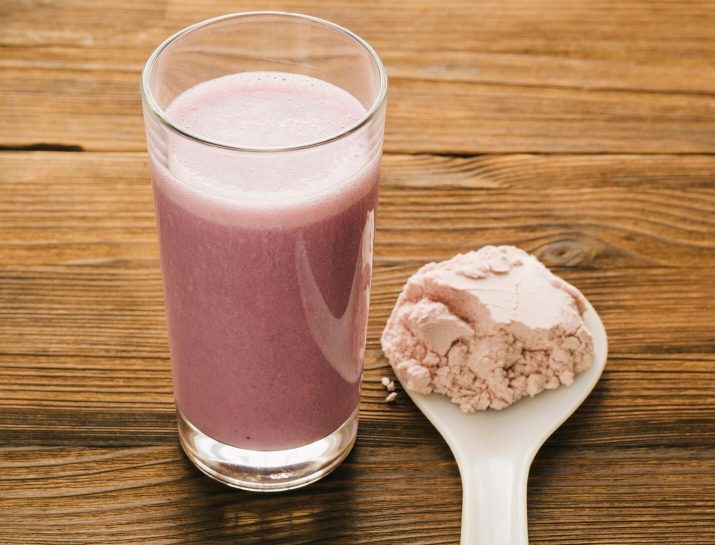
Food testing by The Detox Project shows glyphosate contamination is rampant in organic plant-based protein supplements. When testing eight of the most popular pea protein brands sold on Amazon.com, one organic brand was found to contain more glyphosate than conventional brands
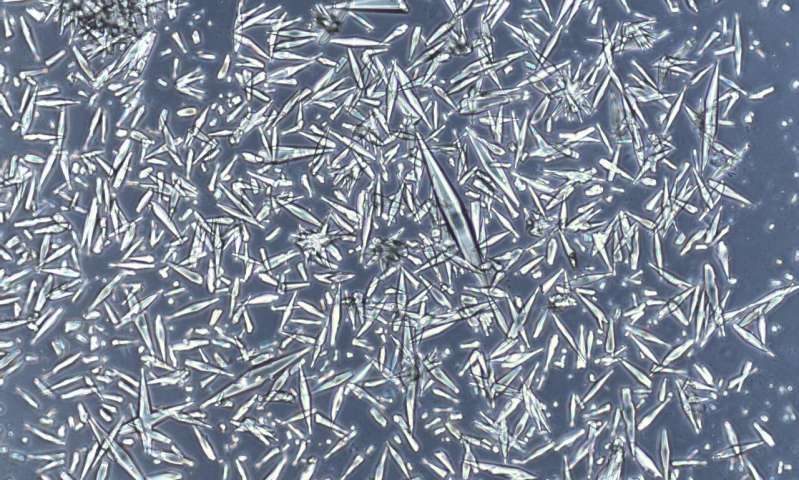
Glyphosate also chelates important minerals; disrupts sulfate synthesis and transport; interferes with the synthesis of aromatic amino acids (shikimate pathway) and methionine, resulting in folate and neurotransmitter shortages; disrupts your microbiome by acting as an antibiotic; impairs methylation pathways; and inhibits pituitary release of thyroid stimulating hormone, which can lead to hypothyroidism.1,2
Roundup has also been linked to certain cancers.3 In March 2015, the International Agency for Research on Cancer (IARC) classified glyphosate as a "probable carcinogen" (Class 2A),4 based on "limited evidence" showing the weed killer can cause non-Hodgkin lymphoma and lung cancer in humans.
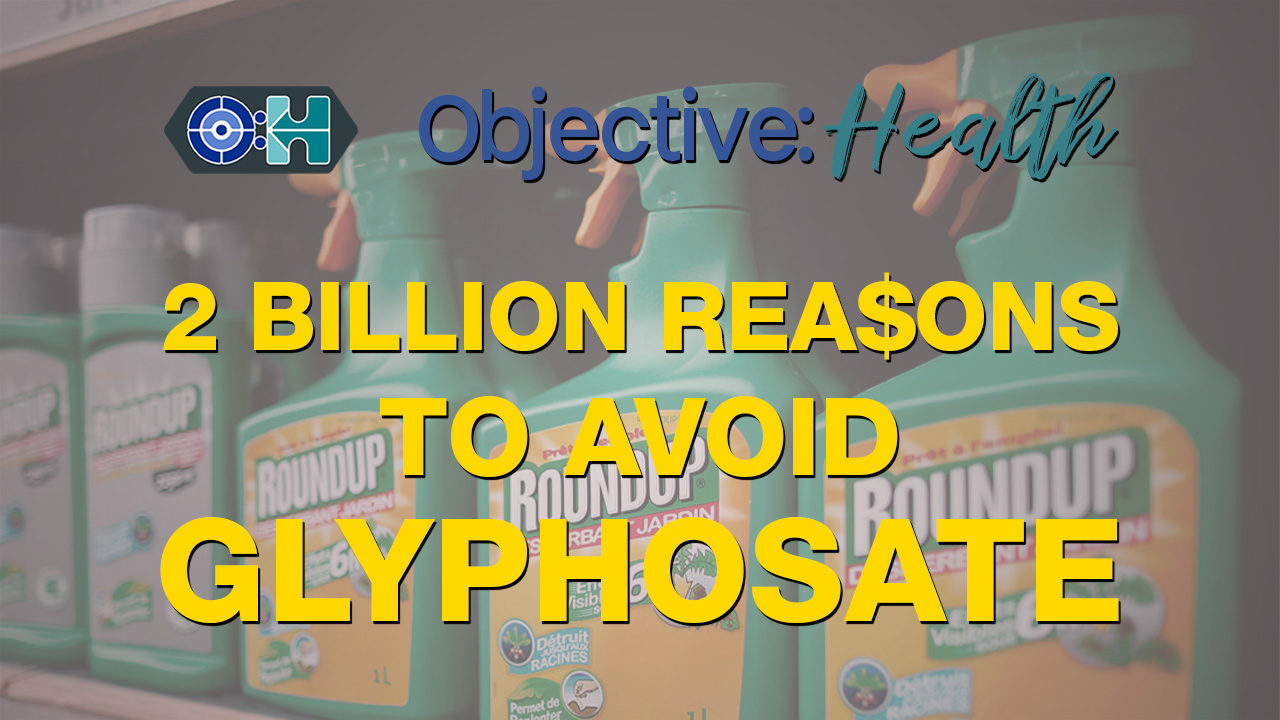
So far, three lawsuits against Monsanto (now Bayer) have resulted in high financial awards as Roundup was found to have caused the plaintiffs' Non-Hodgkin lymphomas. The most recent plaintiffs were awarded a $2 billion judgment against Monsanto.5 All of this has led to grave concerns about glyphosate residues in food.
We're now also realizing that genetically engineered (GE) foods are not the only source of this contaminant. Most conventional, non-GE crops are also contaminated, as are some organics. The reason for this has to do with the fact that glyphosate is commonly used as a desiccant or drying agent to speed up harvesting.
But that's not all. Other desiccants may also be causing problems. As a whole, evidence suggests we need to be extremely cautious in our choices of plant-based foods, sticking to organics whenever possible, especially when buying high-lectin foods such as beans, peas and potatoes, as research shows the desiccant paraquat becomes exponentially more hazardous in combination with plant lectins.















Comment: Glyphosate Use is Far Worse Than We Could Imagine See also: