Health & WellnessS


Brain

Low carb and mental health: The food-mood connection

ketogenic diet
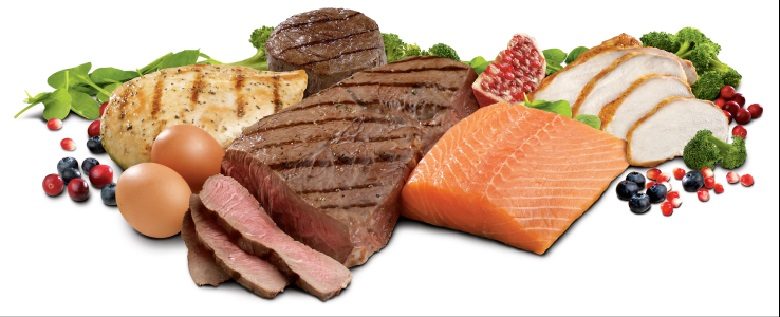
Eating a low-carbohydrate whole-foods diet appears to be a powerful strategy for protecting and improving the health of the body. Could this same nutritional strategy benefit the brain as well? Emerging science and clinical experience suggest that the answer is a resounding yes.1

Many people think of mental health problems like depression, anxiety, and ADHD as chemical imbalances that require medication, but how often do we stop to wonder what causes these chemical imbalances? While medications are clearly helpful and important for some individuals, one could argue that the most powerful way to change brain chemistry is through food - because that's where brain chemicals come from in the first place.

This logical idea has given birth to the new and exciting field of nutritional psychiatry, dedicated to understanding how dietary choices affect our mood, thinking, and behavior. Emerging science and real-world experiences are revealing this empowering and hopeful new message: feeding your brain properly has the potential to prevent and reverse symptoms of mental health disorders, and in some cases, help people reduce or even eliminate the need for psychiatric medications.

Comment: While the studies may be lacking for making a definitive recommendation, given the extent of anecdotal evidence, it would appear that low carbohydrate, high fat diets are extremely effective for mental and behavioural symptoms. One can wait for the studies to come in, or one can consider the weight of the evidence beyond studies. A little self-experimentation may be just what the doctor ordered.

See also:


Microscope 1

Anxiety may be alleviated by regulating gut bacteria

Gut microbes illustration.
© Credit: nobeastsofierce / Adobe StockGut microbes illustration.
People who experience anxiety symptoms might be helped by taking steps to regulate the microorganisms in their gut using probiotic and non-probiotic food and supplements, suggests a review of studies published today in the journal General Psychiatry.

Anxiety symptoms are common in people with mental diseases and a variety of physical disorders, especially in disorders that are related to stress.

Previous studies have shown that as many as a third of people will be affected by anxiety symptoms during their lifetime.

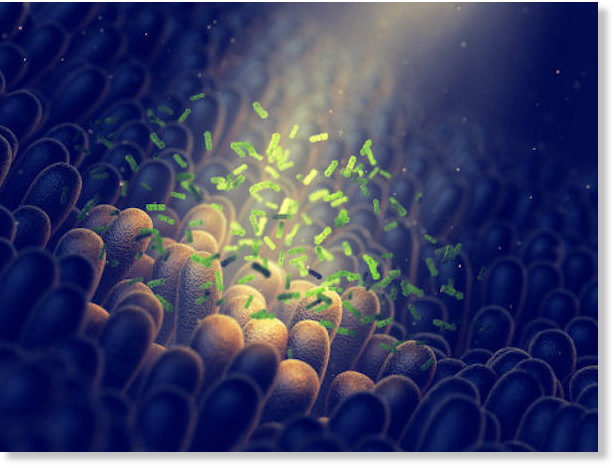
Increasingly, research has indicated that gut microbiota -- the trillions of microorganisms in the gut which perform important functions in the immune system and metabolism by providing essential inflammatory mediators, nutrients and vitamins -- can help regulate brain function through something called the "gut-brain axis."

Recent research also suggests that mental disorders could be treated by regulating the intestinal microbiota, but there is no specific evidence to support this.

Therefore a team of researchers from the Shanghai Mental Health Center at Shanghai Jiao Tong University School of Medicine, set out to investigate if there was evidence to support improvement of anxiety symptoms by regulating intestinal microbiota.

Water

New study shows humans breathe in, eat about 50,000 plastic particles a year

Microplastics in salt crystals
© Paulo Oliveira/AlamyTiny fragments and filaments of plastic in table salt crystals.
The average person eats at least 50,000 particles of microplastic a year and breathes in a similar quantity, according to the first study to estimate human ingestion of plastic pollution.

The true number is likely to be many times higher, as only a small number of foods and drinks have been analysed for plastic contamination. The scientists reported that drinking a lot of bottled water drastically increased the particles consumed.

The health impacts of ingesting microplastic are unknown, but they could release toxic substances. Some pieces are small enough to penetrate human tissues, where they could trigger immune reactions.

Microplastic pollution is mostly created by the disintegration of plastic litter and appears to be ubiquitous across the planet. Researchers find microplastics everywhere they look; in the air, soil, rivers and the deepest oceans around the world.

They have been detected in tap and bottled water, seafood and beer. They were also found in human stool samples for the first time in October, confirming that people ingest the particles.

Comment: See also:


Biohazard

Nipah virus case confirmed in Kerala, India - Authorities on high alert following outbreak last year

virus
© CC0
Last year's outbreak of the virus had a mortality rate of 70% and claimed at least 17 lives. Currently, there is no vaccine to prevent it. It has flu-like symptoms that lead to encephalitis, or inflammation of the brain.

The first case of Nipah virus has been confirmed in the southern Indian state of Kerala after a 23-year-old man tested positive for the infection on Tuesday. The same virus claimed the lives of 17 people last year in Kerala, a coastal state in southern India. A state government source said four districts of the state are currently on high alert.

Initial reports suggest at least five people have been hospitalised in Kerala's Ernakulam district; 27 people are under close observation in the city of Thrissur and several others have also been under observation in Kollam and Idukki regions.

Comment: Other outbreaks reported recently:


Roses

Mum dies after shunning NHS treatment for curable cancer and going vegan instead

Katie Britton-Jordan
Katie Britton-Jordan turned down treatment despite being told that it would have saved her life.
A mum who was diagnosed with treatable breast cancer has died after shunning medicine in favour of living a vegan and holistic lifestyle.

Katie Britton-Jordan, from Dalbury Lees, Derbyshire, was told she had triple negative breast cancer in July 2016 after finding a lump in her breast while feeding daughter Delilah when she was three.

She was offered a mastectomy, chemotherapy and radiotherapy that would save her life but instead chose alternative methods including taking up a vegan diet.

Her husband Neil announced Katie's death on Facebook yesterday.

Comment: There's a lot to say about this case. The above article's purpose is really to serve as a warning against anyone trying any healing modality outside of the mainstream 'cut, nuke and burn' approach. The headline could have read "Stupid hippy turns down chemo and dies". Of course they say that alternative options can be used in conjunction with mainstream treatments - as long as you still contribute to the cancer drug cartel's profits, do what you like!

The fact that Britton-Jordan chose to go the vegan route is unfortunate, but one can't condemn her for wanting to try alternatives to the medical establishment's 'only option'. It just seems she was enraptured by the new age hippy treatments instead of going with something with more evidence behind it. Laser therapy, magnets, vegetable juicing - all undoubtedly have a lot of promises offered online, but realistically none of them are going to be a match for an aggressive cancer.

But it's important to keep in mind that just because there are a lot of empty promises out there, it doesn't mean the mainstream approach is the only viable option. And similarly, the mainstream approach may be the best option in some cases. Because each case is unique, the right path isn't always obvious and needs to be navigated with care.

See also:


Health

Intravenous vitamin C is a cancer killer and the FDA wants it banned

IV vitamin C
Vitamin C has a broad spectrum antioxidant function with the ability to protect cell structures and DNA from free radical damage. Vitamin C is remarkably safe even in enormously high doses. Compared to commonly used prescription drugs, side effects are virtually nonexistent. No matter how high the concentration, vitamin C does not harm healthy cells. Yet, through an array of enzymatic and metabolic reactions, vitamin C has an impressive ability to protect and treat and wide range of diseases, including cancer. When something is this effective at treating disease, the FDA will stop at nothing to prevent public access.

The benefits of long-term vitamin C consumption in excess of the U.S. government recommended daily allowance (RDA) are widely acknowledged and include reduced risks of cancer, cardiovascular disease and cataracts. Higher-than-RDA vitamin C intakes have been associated with increases in good HDL cholesterol, decreases in LDL cholesterol oxidation, decreased blood pressure and decreased cardiovascular mortality.

The first physician to aggressively use vitamin C to treat disease was Frederick R. Klenner, M.D., beginning in the early 1940s. Dr. Klenner successfully treated chicken pox, measles, mumps, tetanus and polio with huge doses of vitamin C. He used massive doses of vitamin C for more than 40 years of family practice. Many practioners who practice with IV vitamin C consider the treatment more effective than any vaccine ever invented.

Comment: See also:


Cupcake Pink

New evidence connects ultra-processed foods to a range of health risks

Supermarket
© Pumba / Adobe Stock
Policies that limit ultra-processed food intake are urgently needed, say researchers

Two large European studies published by The BMJ today find positive associations between consumption of highly processed ("ultra-processed") foods and risk of cardiovascular disease and death.

The researchers say further work is needed to better understand these effects, and a direct (causal) link remains to be established, but they call for policies that promote consumption of fresh or minimally processed foods over highly processed foods.

Ultra-processed foods include packaged baked goods and snacks, fizzy drinks, sugary cereals, ready meals containing food additives, dehydrated vegetable soups, and reconstituted meat and fish products -- often containing high levels of added sugar, fat, and/or salt, but lacking in vitamins and fibre. They are thought to account for around 25-60% of daily energy intake in many countries.

Previous studies have linked ultra-processed foods to higher risks of obesity, high blood pressure, high cholesterol, and some cancers, but firm evidence is still scarce.

Comment: See also:


Ambulance

Heartburn drugs linked to fatal heart and kidney disease, stomach cancer

handful of pills
© Washington UniversityA study from researchers at Washington University School of Medicine in St. Louis and Veterans Affairs St. Louis Health Care System has linked long-term use of drugs known as proton pump inhibitors (PPIs) to fatal cases of cardiovascular disease, chronic kidney disease and upper gastrointestinal cancer. The researchers found that such risks increase with the duration of PPI use, even when taken at low doses.

Death risk increases the longer such drugs are used


Extended use of popular drugs to treat heartburn, ulcers and acid reflux has been associated with an increased risk of premature death. However, little has been known about the specific causes of death attributed to the drugs.

Now, a study by researchers at Washington University School of Medicine in St. Louis and Veterans Affairs St. Louis Health Care System has linked long-term use of such drugs - called proton pump inhibitors (PPIs) - to fatal cases of cardiovascular disease, chronic kidney disease and upper gastrointestinal cancer.

More than 15 million Americans have prescriptions for PPIs. Further, many millions more purchase the drugs over the counter and take them without being under a doctor's care and often indefinitely.

Comment: See also:


Wine n Glass

Can science tell us how much alcohol you can drink safely?

alcohol microscope
© Illustration by Celia Jacobs
Humans have been drinking fermented concoctions since the beginning of recorded time. But despite that long relationship with alcohol, we still don't know what exactly the molecule does to our brains to create a feeling of intoxication. Likewise, though the health harms of heavy drinking are fairly obvious, scientists have struggled to identify what negative impacts lesser volumes may lead to. Last September, the prestigious peer-reviewed British medical journal The Lancet published a study that is thought to be the most comprehensive global analysis of the risks of alcohol consumption. Its conclusion, which the media widely reported, sounded unequivocal: "The safest level of drinking is none."

Sorting through the latest research on how to optimize your well-being is a constant and confounding feature of modern life. A scientific study becomes a press release becomes a news alert, shedding context at each stage. Often, it's a steady stream of resulting headlines that seem to contradict one another, which makes it easy to justify ignoring them. "There's so much information on chocolate, coffee, alcohol," says Nicholas Steneck, a former consultant to the Office of Research Integrity for the U.S. Department of Health and Human Services. "You basically believe what you want to believe unless people are dropping dead all over the place."

Comment: The author's analogy of different studies being like different lenses is apt - they show a perspective, but rarely (if ever) hold the whole truth. This is a pretty good illustration of why we can't rely entirely on scientific studies to tell us how to live our lives. The best approach is to gather data from multiple sources, the most important being what you've observed in your own life. Alcohol is a poison; there's no real way of getting around that fact. How much you can tolerate, and how much you want to, requires a personal analysis beyond scientific studies.

See also:


Health

Is there a proper way to shower?

showering man
Taking a daily shower is a fairly recent development for Americans. Just 100 years ago, many thought getting their whole body wet at once (instead of taking the sponge baths that were common then) would invite diseases like pneumonia and someone would "catch their death."

Nowadays, a long, hot shower is a daily ritual for Many Americans. Most soaps and personal care products have surfactants that, when combined with water, bind to oil and remove the beneficial fats called sebum that naturally protect your skin.1

Generally speaking, the more a product bubbles or lathers, the more surfactants it contains. Many people spend money to buy expensive lotions to restore or replenish the natural skin oils they remove when they shower.

The irony is that most of the skin lotions people buy to use after they shower are far inferior to your skin's own "lotion" - sebum. Worse, most are loaded with toxic ingredients that pose risks to your health.

Taking showers that are too long or too hot can also dry your skin - as will not drying yourself with a towel as soon as you emerge from the shower. (There is one exception to the rule: If you live in a very hot or damp environment, letting your body "air dry" and the water drops evaporate without a toweling off will cool you off.)