Health & WellnessS


Stop

Lyme disease: The CDC's greatest coverup

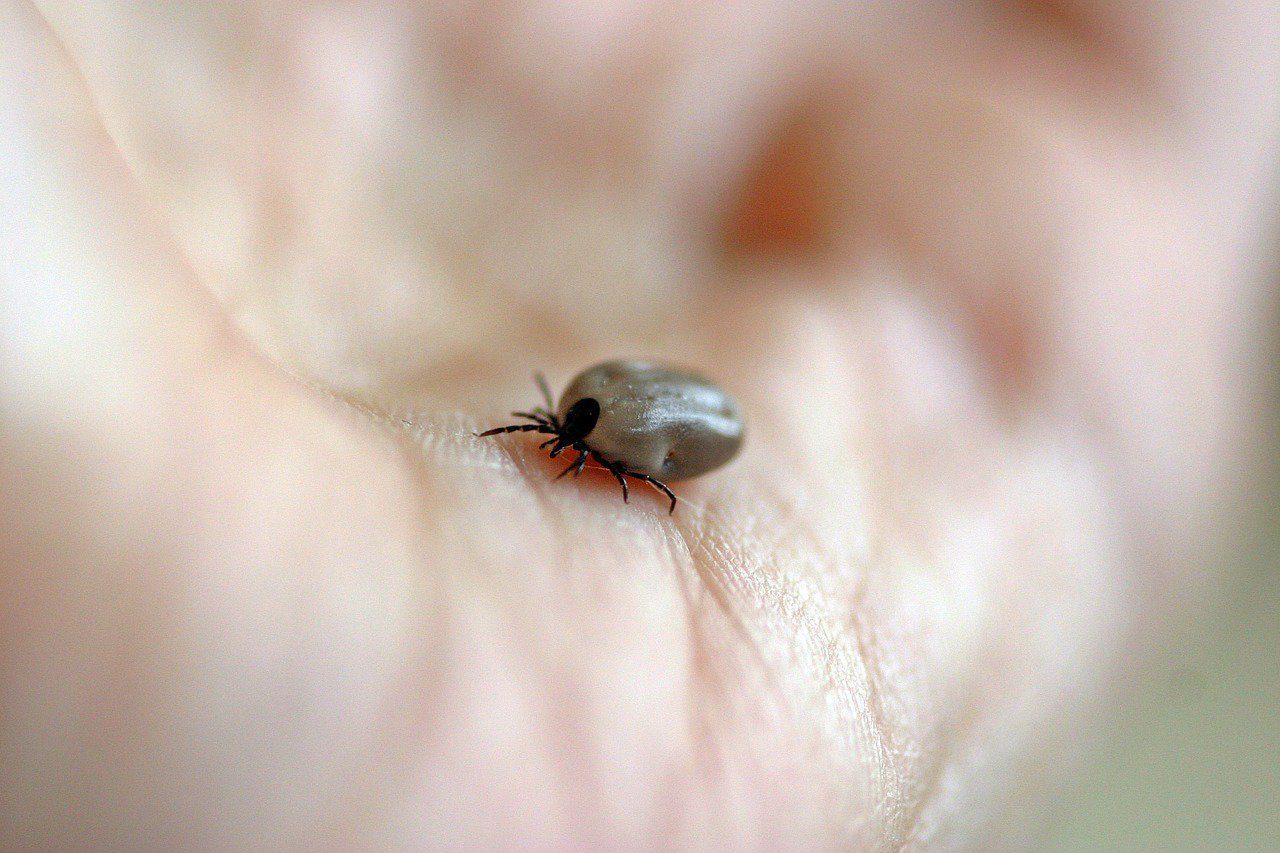
tick
© Catkin/Pixabay
Lyme disease, do you have it? If you did, you probably wouldn't know - unless you're one of the chronic sufferers that have had to visit over 30 doctors to get a proper diagnosis. Lyme disease tests are highly inaccurate, often inconclusive or indicating false negatives.

Why? Because this clever bacteria has found a way to dumb down the immune system and white blood cells so that it's not detectable until treatment is initiated. To diagnose Lyme properly you must see a "Lyme Literate MD (LLMD)," however, more and more doctors are turning their backs on patients due to sheer fear of losing their practices! Insurance companies and the CDC will do whatever it takes to stop Chronic Lyme Disease from being diagnosed, treated, or widely recognized as an increasingly common issue.

Lyme is considered by the medical field to "only" transmit by way of a tick infected with bacteria. However, the CDC itself admits it is under-reported, and believes there are between 300,000 to half a million new cases each year. That makes Lyme disease almost twice as common as breast cancer and six times more common than HIV/AIDS. Where are all of these new cases coming from? (It's interesting to note that since Avril Lavigne recently went public with her Chronic Lyme Disease battle, mainstream news outlets like The Daily Mail have been mentioning Lyme can be transmitted by mosquitoes, too!)

Comment: See also:


Health

New cases of Ebola crop up in Uganda raising fears of further spreading

symptoms of Ebola, at the border crossing near Kasindi
© Al-hadji Kudra Maliro / APPeople crossing the border have their temperature taken to check for symptoms of Ebola, at the border crossing near Kasindi, eastern Congo, on June 12, 2019, just across from the Ugandan town of Bwera.
Uganda announced two more cases of Ebola on Wednesday - a grandmother and a three-year-old boy, confirming that a deadly outbreak has spread for the first time beyond the Democratic Republic of Congo.

The Ugandan cases show the epidemic is entering a "truly frightening" phase and could kill many more people, one infectious disease specialist told Reuters.

A five-year-old boy who had crossed into Uganda from Congo died late on Tuesday, said Uganda's health minister, Jane Ruth Aceng, and his family were now being monitored in isolation.

The two new victims were the boy's brother and grandmother, the Ugandan health ministry said. His grandfather had recently died of Ebola.

"This epidemic is in a truly frightening phase and shows no sign of stopping," said Jeremy Farrar, an infectious disease specialist and director of the Wellcome Trust global health charity, which is involved in fighting Ebola.

Comment: See also:


Muffin

Gluteomorphin: The opiate in your food

no bread please
Yes: there are opiates that derive from various food proteins that exert peculiar effects on the human brain. The worst? The opiates that come from the gliadin protein of wheat and related grains.

Opiate receptor researchers at the National Institutes of Health originally coined the term "gluteomorphin" nearly 40 years ago when it was determined that the gliadin protein of wheat undergoes partial digestion (since humans lack the digestive enzymes to fully digest proline-rich amino acid sequences in proteins from seeds of grasses) to yield peptides that are 4- to 5-amino acids long. Some of these peptides were found to bind to the opiate receptors of the brain, thereby exerting opiate-like, or opioid, effects, thus the term gluteomorphin (also sometimes called gliadorphin).

Comment: This should be a big clue as to why some people have a difficult time quitting bread (and cheese - there are similar opiate-like peptides found in dairy products). Imagine taking a small amount of opiate painkillers with every meal. Brings new meaning to the words 'comfort foods'.

See also:


Bulb

Even low light before bed can disrupt sleep-hormone cycles

light at night workshop
© Florian Gaertner/Photothek/GettyExposure to light during the evening delays the hormonal surge that helps to prepare the body for sleep.

In some people, faint evening light is enough to delay the normal rise in melatonin.


Humans differ widely in their sensitivity to low levels of light in the evening, which could explain why late exposure to artificial light worsens the sleep and health of some - but not all - people.

Sean Cain and his collaborators at Monash University in Melbourne, Australia, exposed 55 people to varying levels of light starting from four hours before their bedtimes, and periodically measured the amount of the hormone melatonin in the participants' saliva. Melatonin levels naturally rise in the evening, helping to start the sleep cycle, but are suppressed by light.

Comment: See also:


Bulb

Women exposed to light during sleep at higher risk for weight gain

sleeping in bed light
Sleeping with a cellphone, bright alarm clock on or a television next to your bed puts women at risk for weight gain, a new study found.

Women who slept with a light or even the TV on were 17% more likely to have gained 11 pounds over the course of five years, according to the study, the results of which were published Monday in the medical journal JAMA Internal Medicine.

Light coming in from outside the room was associated with more modest weight gain, researchers found.

The study is the first to find an association between exposure to artificial light at night while sleeping and weight gain in women, according to the National Institutes of Health (NIH), which funded the study.

Comment:


Info

Glyphosate & Autism: Scientist Stephanie Seneff explains the indisputable link

glyphosate
Stephanie Seneff, a PhD from MIT University, studies glyphosate, the active ingredient in the pervasive herbicide known as Roundup that's made by Monsanto, the massive agrochemical giant that was recently purchased by Bayer pharmaceuticals. Dr. Seneff and many other scientists from around the world have published several papers outlining the very clear and very obvious dangers that glyphosate poses to human and environmental health. Not only do we have a wealth of data, but there are also numerous court cases (more than 10,000 pending) that have ruled in favor of the people, linking glyphosate with causing cancer. On top of that, we also have information showing the extreme corruption that exists within these corporations in conjunction with our federal health regulatory agencies that allow substances containing glyphosate to be on the market. This type of corruption is worldwide. For example, the substance was recently relicensed and approved by European Parliament. However, MEPs found the science given to them was plagiarized, full of industry science written by Monsanto.

Comment: Stephanie Seneff: How Glyphosate poisoning explains the peculiarities of the Autism gut


Shopping Bag

You're probably being tricked by 'health washing' at the grocery store

greenwashing
Here's how to avoid this sleight-of-hand move by packaging designers.

Organic. All natural. High protein. Such tantalizing words seem to adorn every package at the grocery store. Even Lucky Charms, a cereal that's largely dyed candy, promises that it has "whole grains" and is "gluten free" right beside the sugary sparkle "now with magical unicorn marshmallows!"

Those healthy-feeling words are there for a reason: They work! According to a new series of studies done by Rotterdam School of Management and Vanderbilt University, the promises we see on cereal boxes-and likely most other packages at the grocery store-often make us perceive the product as healthier, even if there's no correlation between these claims and a food's actual nutritional value.

Comment: More on 'health washing' Another way to mislead the U.S. consumer
What's a consumer to do today? Between cause - and patently false-marketing, looking beneath the surface appearances of product packaging and advertising becomes a necessity, lest we harm ourselves or the environment unknowingly, or support industries that don't have our best interests in mind.

You may already know about green-washing, pink-washing and so-called gene-washing (i.e. 'natural' labeled products containing GMOs), but prepare yourself for the next level of @%@#!% with "organic-washing." ...

With the USDA organic logo increasingly being slapped onto products that don't represent the ethos or quality of organic, sustainable farming, either the USDA certification process needs to undergo reform, or we need another type of certification altogether. Better yet, grow your own high-quality, truly organic food, or work with local growers and producers that are doing just this. After all, we can see through recent GMO labeling initiative defeats that when it comes to enacting reform, we are going to have to do it from both top down and the bottom up, i.e. you can vote and enact immediate change with your dollar and your fork!


Life Preserver

Natural alternatives to deadly prescription opiates

big pharma

Prescription drugs kill nearly fifteen times as many Americans per year than the casualty toll of domestic terrorist attacks from over thirteen years combined, but still natural alternatives are suppressed and maligned despite a growing body of evidence supporting their far greater safety and efficacy.


Since 1997, when the United States became one of only two developed nations that allows direct-to-consumer pharmaceutical advertising, addiction to prescription drugs and prescription drug overdoses have quadrupled (Real Leaders, 2016). In fact, last year, deaths due to prescription drug overdoses surpassed 50,000 per year, dwarfing the number of deaths due to motor vehicle accidents (37,757) and to gun violence (36,252) (Chicago Tribune, 2016).

Cheeseburger

Yes, there are opiates in your food

Kitchen cupboard
© wheatbellyblog.com
Yes: there are opiates that derive from various food proteins that exert peculiar effects on the human brain. The worst? The opiates that come from the gliadin protein of wheat and related grains.

Opiate receptor researchers at the National Institutes of Health originally coined the term "gluteomorphin" nearly 40 years ago when it was determined that the gliadin protein of wheat undergoes partial digestion (since humans lack the digestive enzymes to fully digest proline-rich amino acid sequences in proteins from seeds of grasses) to yield peptides that are 4- to 5-amino acids long. Some of these peptides were found to bind to the opiate receptors of the brain, thereby exerting opiate-like, or opioid, effects, thus the term gluteomorphin (also sometimes called gliadorphin).

This research was performed in response to several observations made in people with paranoid schizophrenia who, upon removal of all gluten sources (that contain gliadin) experienced a reduction of paranoid thinking and auditory hallucinations.

Dr. F. Curtis Dohan, while participating in field research in New Guinea, the Solomon Islands, and Micronesia, also made the observation that non-grain consuming natives of these islands developed an explosive level of schizophrenia when allowed to consume Western foods containing grains.

Comment: For more on the science behind the evils of wheat consumption, see:


Bacon

Super-soldier diet? Pentagon eyes controversial keto diet in bid to build more lethal warriors

navy divers
© AP Photo/Bullit MarquezU.S. Navy and Philippine Coast Guard divers conduct search-and-rescue operation for the sunken passenger ferry, MV Princess of the Stars, off Sibuyan Island in central Philippines on Wednesday, June 25, 2008.
Ditching carbs may be the key to military success in America's future wars.

Top Pentagon officials say research has shown that human bodies in ketosis - the goal of the popular and controversial ketogenic diet - can stay underwater for longer periods, making the fat- and protein-heavy eating plan a potential benefit to military divers. It is one example of a rapidly growing trend as military researchers zero in on how nutrition and certain drugs can enhance how fighting men and women perform in battle.

But U.S. defense officials say they lack the legal authorities to dictate to soldiers, sailors, airmen and Marines what they can and cannot eat. Critics of the entire concept warn that the military is entering a danger-filled world if it begins ordering diets and drug protocols solely to build more lethal warriors.

Comment: While it may be a little disturbing to see a military body eyeing a healing and beneficial diet for the purpose of turning their soldiers into more effective killing machines (one hopes Jeff Volek isn't making a deal with the devil), the bright side is that the military will, at the very least, do studies that cut through the politically correct landscape to get to the bottom line - does it work?

See also: