Health & WellnessS


Pills

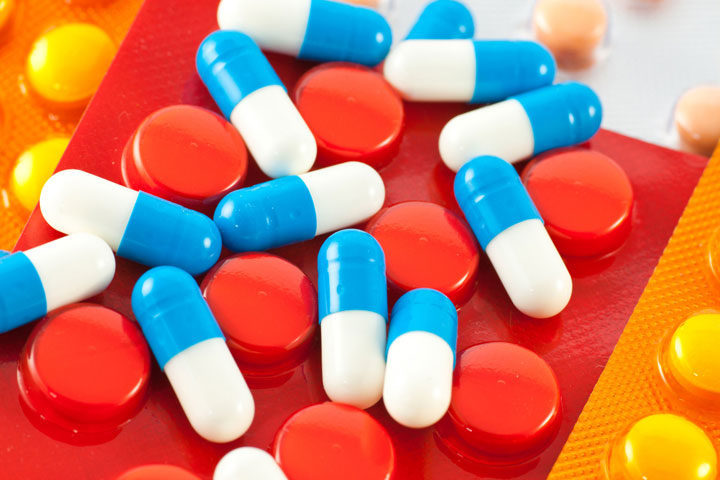
Drug prices in 2019 are surging, with hikes at 5 times inflation

generic drugs pills
Price hikes on prescription drugs are surging in 2019, despite vows from lawmakers and the Trump administration to rein in pharmaceutical costs.

So far in 2019, more than 3,400 drugs have boosted their prices, a 17% increase compared with the roughly 2,900 drug price increases at the same time in 2018, according to a new analysis by Rx Savings Solutions, a consultant to health plans and employers.

The average price hike for those 3,400 drugs stands at 10.5%, or about 5 times the rate of inflation, the study found. About 41 drugs have boosted their prices by more than 100%, including one version of the antidepressant fluoxetine -- also known as Prozac -- whose cost has surged 879%, Rx Savings Solutions said.

Comment: With the cost of pharmaceuticals going through the roof, perhaps more and more people will turn to alternative methods of healing. There's an entire world of healing modalities outside the mainstream pharmaceutical paradigm that can be highly effective. But it's important for all to do their due diligence on researching proper treatment protocols.

See also:


Target

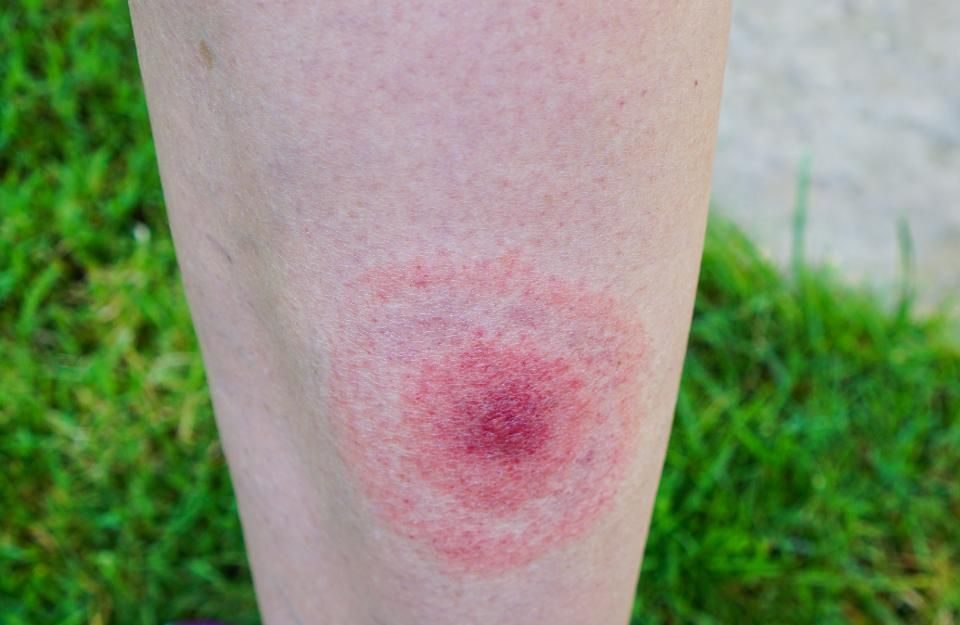
New York Times' story on Lyme misses the bullseye

bullseye rash Lyme
© GettyThis bull's eye rash, characteristic of Lyme disease, may be seen in fewer than half of patients.
An article appeared in this week's New York Times, "My Son Got Lyme Disease. He's Totally Fine. Horror stories about lingering Lyme disease proliferate, but the illness is easily treated." While I am delighted that author Apoorva Mandavilli's son had a good outcome, I feel a need to respond to aspects of the story that I, a Board Certified Infectious Diseases physician who lives in a Lyme endemic area and has had Lyme, found misleading and disturbing.

Neither the author's experience — nor that of the pediatrician she quotes as "never had a complication from Lyme" — matches mine. Mandavilli says, "many people view Lyme — wrongly — as a debilitating, chronic illness instead of what it is: An easily treated infection with no long-term consequences for children, or even the vast majority of adults."

I understand that there are a spectrum of patients with Lyme.

Comment: See also:


Biohazard

Austrian parliament backs EU's first total ban of weedkiller glyphosate

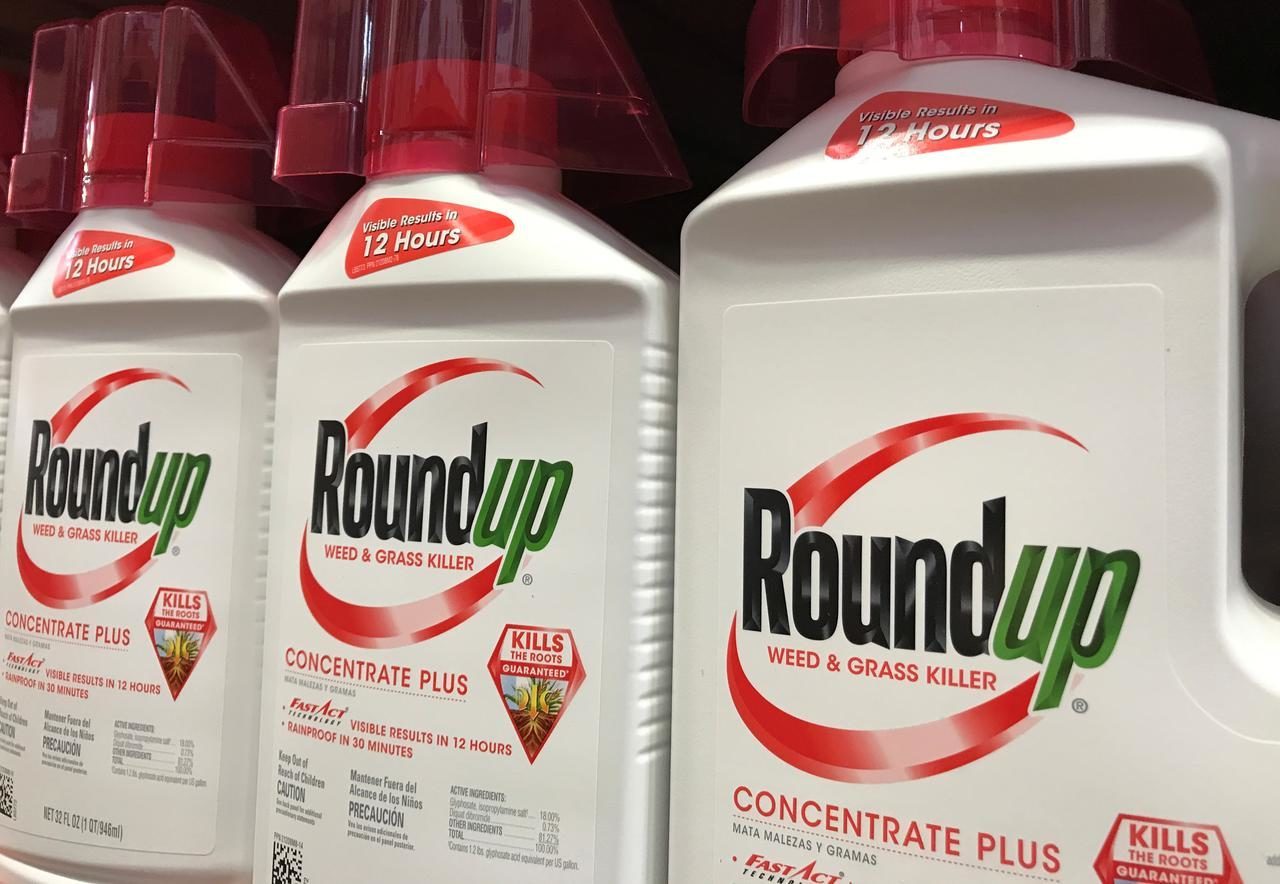
Roundup
© REUTERS/Mike BlakeMonsanto Co's Roundup is shown for sale in Encinitas, California, U.S., June 26, 2017.
Austria's lower house of parliament passed a bill on Tuesday banning all uses of the weedkiller glyphosate, the first time a European Union country has taken such strong action against the chemical over concerns that it can cause cancer.

Other EU countries have passed partial bans of glyphosate, developed by Bayer-owned Monsanto, although France has lowered its ambitions on a ban, highlighting its usefulness in agriculture. Austria has embraced organic farming more than other EU member state.

"The scientific evidence of the plant poison's carcinogenic effect is increasing. It is our responsibility to ban this poison from our environment," the leader of Austria's Social Democrats, Pamela Rendi-Wagner, said in a statement.

Comment: It's nice to see at least some countries have politicians who care about the public they represent instead of toeing the corporate line, citizens be damned. Let's hope other countries follow suit.

See also:


Biohazard

Fools gold: Study finds beta carotene in GMO golden rice mostly disappears before it can be eaten

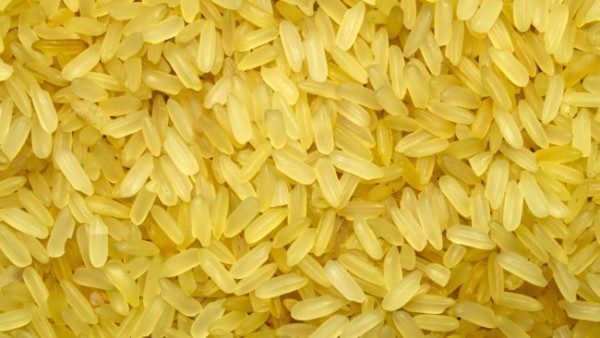
golden rice GMO
After studies have confirmed that vitamin A, converted from beta carotene, is very low in genetically modified golden rice, new evidence shows that the rice is also unable to hold the biochemical for long after harvest.

Unless preserved in refrigerated condition in vacuum packaging as paddy, golden rice can lose up to 84 per cent of its beta carotene in six months, according to a new Indian government research.

The degradation of beta carotene level gets faster with processing and is the highest in polished golden rice, said the research released two months ago in the British journal Food Chemistry.

Comment: Since the release of genetically modified crops into the world, we've been promised a revolution in farming, an end to world hunger, an end to malnutrition, crop resistance to drought and many other miracles. So far, none of these promises have been delivered. Instead we get toxic plants that can drink or produce poison, lower crop yields and an apple that doesn't go brown when you cut it. Big Biotech isn't really interested in curing the world of its ills. It's interested in money.

See also:


Cow

Vegan to carnivore: One mom's story of how switching to an all-meat diet saved her life

healthy with nicole
A mother-of-two ditched the vegan diet she followed for fifteen years after she claims it caused her immune system to crash - and now only eats meat.

Nicole Carter, 44, of California, went vegan when she was 18, thinking it was the best thing to do for her health and to protect the environment.

Her diet was packed with whole foods, leafy greens, berries and freshly squeezed juices. She grew her own vegetables and cut out sugar and alcohol.

Comment: It's interesting that the above story is coming from the Daily Mail, whose schizophrenic reporting on the carnivore diet stretches from promoting it as something trendy to hit pieces on notable carnivores. Regardless of what the Daily Mail says, many people are finding much needed healing on the carnivore diet, making it obvious that the 'experts' don't know as much about nutrition as they claim. It may not be for everyone, but it seems without doubt at this point that an all meat diet can be incredibly healing for some.

See also:


X

Google attacks alternative health information by burying Mercola in their latest search engine update - Part 2: Wicked Wikipedia

google mercola

For the first part of this two-part article, see yesterday's post, "Google buries Mercola in their latest search engine update,' Part 1 of 2." In Part 1, I discussed the effects Google's June 2019 broad core algorithm update and updated quality rater guidelines is having on traffic to this site.

As mentioned in Part 1, Google's "quality raters" are now manually lowering the ranking of undesirable content and buries even expert views if they're deemed "harmful" to the public.

Google raters use Wikipedia for 'expertise' and 'trustworthiness'

One of the primary sources Google's quality raters are instructed to use when assessing the expertise, authoritativeness and trustworthiness of an author or website is Wikipedia, "the free encyclopedia." Excerpts from my Wikipedia page read:1
"Joseph Michael Mercola (born 1954) is an alternative medicine proponent, osteopathic physician, and Web entrepreneur, who markets a variety of controversial dietary supplements and medical devices through his website, Mercola.com ...
Mercola criticizes many aspects of standard medical practice, such as vaccination and what he views as overuse of prescription drugs and surgery to treat diseases.
On his website mercola.com, Mercola and colleagues advocate a number of unproven alternative health notions including homeopathy, and anti-vaccine positions ... Mercola's medical claims have been criticized by business, regulatory, medical, and scientific communities."

Brain

Sleep problems in teenagers reversed in just one week by limiting screen use

sleep
Sleep in teenagers can be improved by just one week of limiting their evening exposure to light-emitting screens on phones, tablets and computers, according to findings to be presented in Lyon, at the European Society of Endocrinology annual meeting, ECE 2019. The study indicates that by simply limiting their exposure to blue-light emitting devices in the evening, adolescents can improve their sleep quality and reduce symptoms of fatigue, lack of concentration and bad mood, after just one week.

Recent studies have indicated that exposure to too much evening light, particularly the blue light emitted from screens on smartphones, tablets and computers can affect the brain's clock and the production of the sleep hormone melatonin, resulting in disrupted sleep time and quality. The lack of sleep doesn't just cause immediate symptoms of tiredness and poor concentration but can also increase the risk of more serious long-term health issues such as obesity, diabetes and heart disease. Other studies have suggested that sleep deprivation related to screen time may affect children and adolescents more than adults, but no studies have fully investigated how real-life exposure is affecting sleep in adolescents at home and whether it can be reversed.

Comment: See:


Beer

Defense Department to ban beer and pizza? Mandatory keto diet may enhance military performance

soldiers pizza beer
© Sgt. Roland Hale/ArmyU.S. soldiers serving in Afghanistan make an Independence Day toast over a special holiday treat of pizzas and non-alcoholic beers.
The controversial ketogenic or "keto" diet may be the future of the military, some defense officials say.

Service members, and Navy SEALS especially, may have to forgo beer and burritos for skinny cocktails and avocado salad (forget the tortilla chips) if a proposal from Special Operations Command gains momentum.

While a nutritionally enhanced future could eventually be put into effect for all branches, the SEALS and other underwater dive-mission specialists might be the first groups targeted for the change in nutritional guidelines.

Comment: A ketogenic diet makes sense for an institution like the military, concerned with performance, stamina and body composition. If properly promoted, the top brass may find their soldiers voluntarily taking up the diet since its benefits can be so marked. Overall, the move seems like a good one, although making the diet mandatory will inevitably run into questions of freedom to choose for the soldiers.

See also:


Biohazard

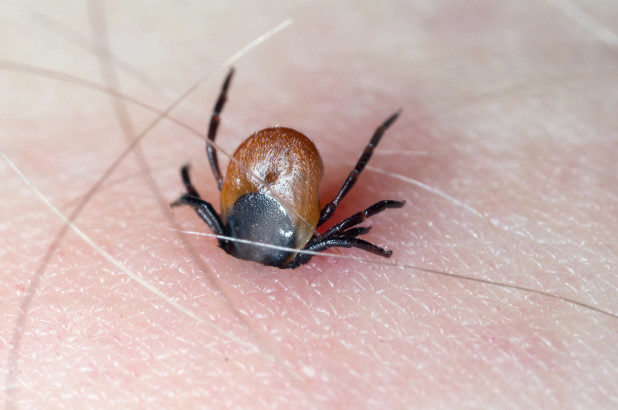
Lone star tick bite causes severe meat allergy in US farmer

tick
A tick turned Kristie Downen into a vegan.

"It was the last thing on my mind," the Missouri farmer tells Springfield's KSPR TV of her "life-changing experience ... [it's] unbelievable that a tick can make you allergic to food."

Downen was bitten by a common "lone star" tick four years ago — but doctors were unable to diagnose the array of symptoms she developed until this year.

"It got to the point where my stomach would swell up, I was vomiting," Downen says. "The rashes were real bad, it was getting to the point [I told doctors], 'You're missing something, I'm still dying.' "

Comment: There are various ways one could can attempt to ameliorate the problems of these tick borne diseases. Although the threats ticks pose appears to only be increasing: Also check out SOTT radio's: The Health & Wellness Show: A Close Look at Lyme Disease


Dig

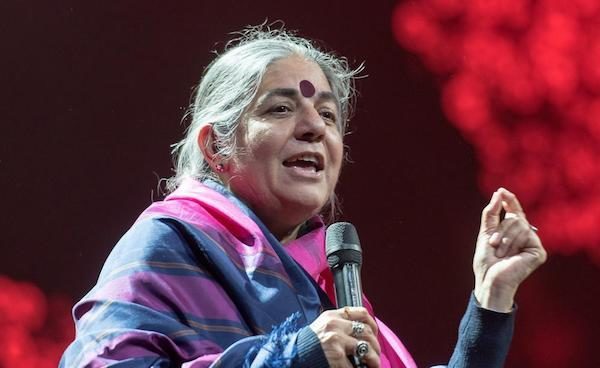
Fake Food, Fake Meat: Big Food's desperate attempt to further the industrialization of food

Vandana Shiva

The ontology and ecology of food


Food is not a commodity, it is not "stuff" put together mechanically and artificially in labs and factories. Food is life. Food holds the contributions of all beings that make the food web, and it holds the potential of maintaining and regenerating the web of life. Food also holds the potential for health and disease, depending on how it was grown and processed. Food is therefore the living currency of the web of life.

As an ancient Upanishad reminds us "Everything is food, everything is something else's food. "

Good Food and Real Food are the basis of health.

Bad food, industrial food, fake food is the basis of disease.

Hippocrates said "Let food be thy medicine". In Ayurveda, India's ancient science of life, food is called "sarvausadha" the medicine that cures all disease.

Comment: For more on the negative health and environmental effects of Big Food and Industrial Agriculture read the following article: Toxic agriculture: Poisoning of soils, human health and the environment
These problems are not confined to Europe and the US; they are global. Spiraling cancer rates in Argentina linked to the use of glyphosate spring to mind. In Punjab, India, pesticides have turned the state into a 'cancer epicentre'. Moreover, Indian soils are being depleted as a result of the application of 'green revolution' ideology and chemical inputs. India is losing 5,334 million tonnes of soil every year due to soil erosion because of the indiscreet and excessive use of fertilisers, insecticides and pesticides. The Indian Council of Agricultural Research reports that soil is becoming deficient in nutrients and fertility. As smallholders the world over are being driven from their land and the chemical-industrial farming model takes over, the problems continue to mount.

The environment, the quality of our food and our health are being sacrificed on the altar of corporate profit. The solution involves a shift to organic farming and investment in and reaffirmation of indigenous models of agriculture as advocated by the International Assessment of Agricultural Knowledge Science and Technology (IAASTD) report.