Health & WellnessS


Heart - Black

The Insulin Racket: A case study in America's broken prescription drug market

Cost of Insulin
Insulin is a 100-year-old drug whose wholesale price has tripled in ten years. The reasons why explain everything wrong with America’s broken prescription drug market.
On June 22, 2017, Alec Raeshawn Smith, a recently promoted restaurant manager with Type 1 diabetes, left his local pharmacy empty-handed. He'd gone in to pick up a month's worth of insulin supplies, which he assumed would set him back around $1000 — the amount he and his mother Nicole Smith-Holt had budgeted the month before when he turned 26 and, under Obamacare rules, had to drop off her insurance coverage.

For Alec, that price was already steep: Even with his promotion, he was making $35,000 a year with no benefits. He and Smith-Holt had combed through Minnesota's Obamacare marketplace for months in search of a decent plan, but the affordable ones all had sky-high deductibles. That meant that he'd be paying full price for his insulin for months before his junk insurance kicked in, on top of hundreds of dollars in monthly premiums — sucking up some 80 percent of his take-home pay once he paid the rent. So he made a rational decision: He'd go uninsured, save the cost of the premium, and just pay for his meds out of pocket, while racking up work experience that could serve as a springboard to a better position with health insurance.

As it turned out, it wouldn't have made a difference if Alec had been insured or not: The price of his insulin had apparently gone up again to $1300, which was more than he had in his bank account. Perhaps he felt embarrassed, too proud to borrow money so soon after finally moving out of his parents' place. Perhaps he didn't want anyone to worry about him, and figured he could keep his blood sugar down until payday.

So he left. He never told his mother and he never told his girlfriend. Five days later, he was dead.

Comment: To add to this despicable cruelty, most diabetics are advised by the 'diabetes industry' and their doctors to follow a diet that makes their condition worse. They are rarely informed that following a low carb or ketogenic diet might even reverse the disease or at the very least, significantly reduce the need for insulin. Nor are they informed of the dangers of some of these medications. See:


Bug

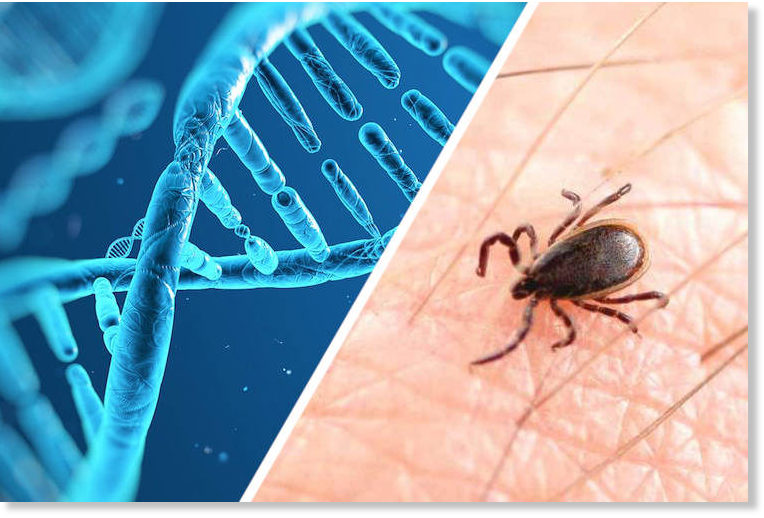
Lyme Disease: The CDC's massive coverup on what "must be considered a global epidemic"

Lyme disease
Lyme Disease. Do you have it?

If you did, you probably would not know, unless you're one of the chronic sufferers that had to visit over 30 doctors to get properly diagnosed. Lyme disease tests are highly inaccurate. They're often inconclusive or false negative. That's because this clever bacteria has found a way to dumb down the immune system and white blood cells, so it is not detectable until treatment is initiated. To diagnose Lyme properly you must see a "Lyme Literate MD (LLMD)", however, more and more doctors are turning their backs on patients due to sheer fear of losing their practices! Why? Because insurance companies and the CDC will do whatever it takes to stop Chronic Lyme Disease from being diagnosed, treated, or widely recognized as an increasingly common issue.

Lyme is considered "only" transmittable by a tick infected with bacteria. However, the CDC itself admits it is under-reported, and believes there are between 300,000 to half a million new cases each year. That makes Lyme disease almost twice as common as breast cancer and six times more common than HIV/AIDS. Where are all of these new cases coming from?

When Lyme isn't detected in the early stages, it becomes Chronic Lyme, a condition which the CDC and IDSA both deny even exists. They will continue to deny it, because if there's one thing insurance companies hate, it's chronic disorders they have to spend time and money treating. Therefore, a panel with ties to insurance companies gathered to write up official Lyme guidelines that assure patients are only allowed a few weeks of antibiotic treatment and are not to be diagnosed with Chronic Lyme Disease even if clear symptoms persist and invade the nervous system.


Comment: For a deeper examination of this read Paul W. Ewald's groundbreaking book Plague Time: The New Germ Theory of Disease


Over half of the panelists who wrote the IDSA Lyme guidelines announcing that Chronic Lyme is not real — including the panel chairman — have obvious conflicts of interest including financial interests in drug companies, diagnostic tests, and patents as well as consulting agreements with insurance companies. Researchers and scientists with evidence in support of Chronic Lyme were intentionally excluded from the panel. Because of these unjust Lyme guidelines, insurance companies have the "right" to deny coverage for the treatment of long-term Lyme disease. Doctors have even lost their practices for successfully diagnosing and treating Chronic Lyme, as shown in the film Under Our Skin. In the case of Dr. Joseph Jemsek of North Carolina, he not only lost his license but also his livelihood. Dr. Jemsek can no longer practice simply because he gave antibiotics to Chronic Lyme sufferers, and was then sued by BCBS for 100 million dollars, following which he had to declare bankruptcy. You can read his closing remarks to the NC Medical Board just before they pulled his license here.

Bulb

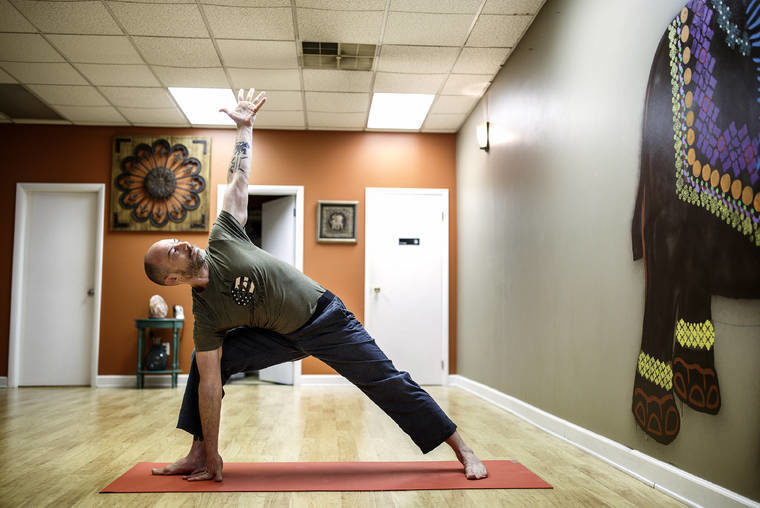
Army veteran turned his life around with yoga and meditation

side angle pose
© Dan Gleiter/The Patriot-News
At his darkest point, Bryan Fant was addicted to vicodin, benzodiazepine, prozac, Xanax and various other powerful medications. All had been prescribed by the Veterans Administration to treat his debilitating pain, anxiety, depression and insomnia.

Multiple deployments to Saudi Arabia, Iraq and Kuwait had ravaged him physically. War had ravaged him emotionally.

Fant lived with chronic pain. He underwent no less than seven surgeries to the neck, back and shoulders. He had spent thousands of hours in military helicopters wearing heavy gear. The jarring and jumping had taken a toll on his spine.

At his lowest, his existence played out in a continuous reel of waking up in the morning, dragging himself to the mailbox to collect the new shipment of medications sent by the VA and then crawling to the couch in a drug-induced stupor.

Comment: Why Yoga? Healing research


Cloud Grey

Air pollution will cause early deaths in UK cities - Study

holloway
Traffic backed up at Holloway Circus during the taxi drivers' go-slow in protest against the Clean Air Zone charge
Air pollution could shorten the life of a Birmingham child by up to seven months, a major study on one of the city has suggested.

An eight-year-old child born in 2011 may die between two to seven months early if they are exposed over their lifetime to future models of pollution.

The conclusion was reached by Kings College London researchers who studied Birmingham.

And the impact was considered to be worse than some other major cities in the UK - with the report finding a higher loss of life expectancy in Birmingham than Manchester.

Comment: See also:


Syringe

Dr. Malcolm Kendrick - The vaccination debate

Vaccinations
© Northern Hospital of Surry County
As readers of this blog will know, my primary area of interest is cardiovascular disease, which a big and complex subject, where anyone questioning the 'conventional' ideas gets ruthlessly attacked. However, in comparison to the area of vaccination, the battles in cardiovascular disease pale into insignificance. Mere squabbles in the nursery.

I am a member of an on-line doctors' community in the UK called Doctors Net. Not open to the public. Whenever any story about vaccination emerges, the vitriol, anger and naked rage is quite scary to observe.

Whenever the issue of MMR raises its head on Doctors Net, doctors have stated that Andrew Wakefield should be thrown in jail, and never allowed to earn any money ever again, that he is a crook and a criminal - and those are the nicer comments.

It is clear that, in the medical profession, there is an unquestioned faith in vaccination. That is, all vaccinations, for all diseases, everywhere - for everyone. Anyone who dares to hint that, ahem, there could be some negative issues associated with vaccination is subjected to withering contempt. 'You will be responsible for killing millions of children.' You don't understand science.' And suchlike.

When it comes to the science, it does amuse me that vaccination began before anyone understood any of the science - of anything to do with microbes and the immune system. It all began, so it is recorded, with the observation that milkmaids were much less likely to get smallpox.

This led to the idea that you should deliberately infect people with a bit of cowpox, to prevent them getting smallpox. Bold.
'The terms vaccine and vaccination are derived from Variolae vaccinae (smallpox of the cow), the term devised by Jenner to denote cowpox. He used it in 1796 in the long title of his Inquiry into the Variolae vaccinae known as the Cow Pox, in which he described the protective effect of cowpox against smallpox.' [from the website that cannot be named... Wikipedia actually]
This was suggested at a time when all doctors thought infections were spread by Miasma. Basically, a nasty smell. No-one had the faintest idea that there were bacteria, or viruses. Somewhat ironically, vaccination - giving a small amount of a substance to cure/prevent a nasty disease - became the underlying principle of homeopathy - which most doctors now angrily dismiss as 'woo woo medicine.'

Health

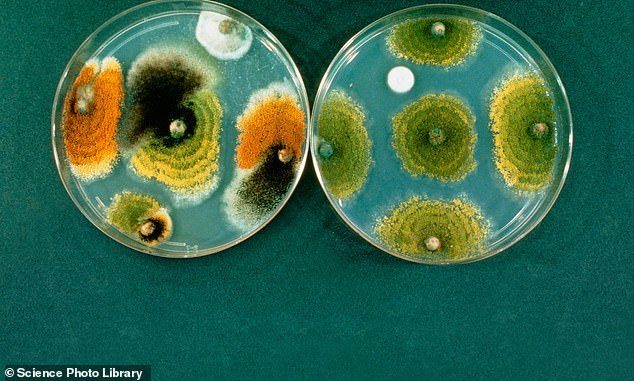
First there was antibiotic resistance, now welcome treatment-resistant fungal infections

treatment-resistant fungal infections
© Science Photo LibraryMost people know about the dangers posed by bacterial superbugs such as MRSA and Clostridium difficile that can shrug off attacks from antibiotics. But there is a newly emerging threat: treatment-resistant fungal infections
John Phillips has a simple phrase that perfectly describes his terrible predicament: 'I'm in limbo.'

The 54-year-old father of two is currently enjoying reasonable health, able to pursue his career as an NHS worker and live life as best he can.

But deep inside his lungs lurks an infection so dangerous that it regularly sends him spiralling into poor health.

Comment: Bacteria are becoming resistant to antibiotics, weeds are becoming resistant to herbicides, crop pests are becoming resistant to pesticides and now fungal infections resistant to anti-fungal drugs. It seems all our marvels of chemistry of the past century are starting to become a lot less marvelous. And with their dwindling effectiveness, new plagues are set to sweep over our modern world. One would hope researchers would look into some of the natural anti-fungal treatments that have been used for centuries, without causing resistance, to help battle these new drug-resistant infections.

See also:


Cow

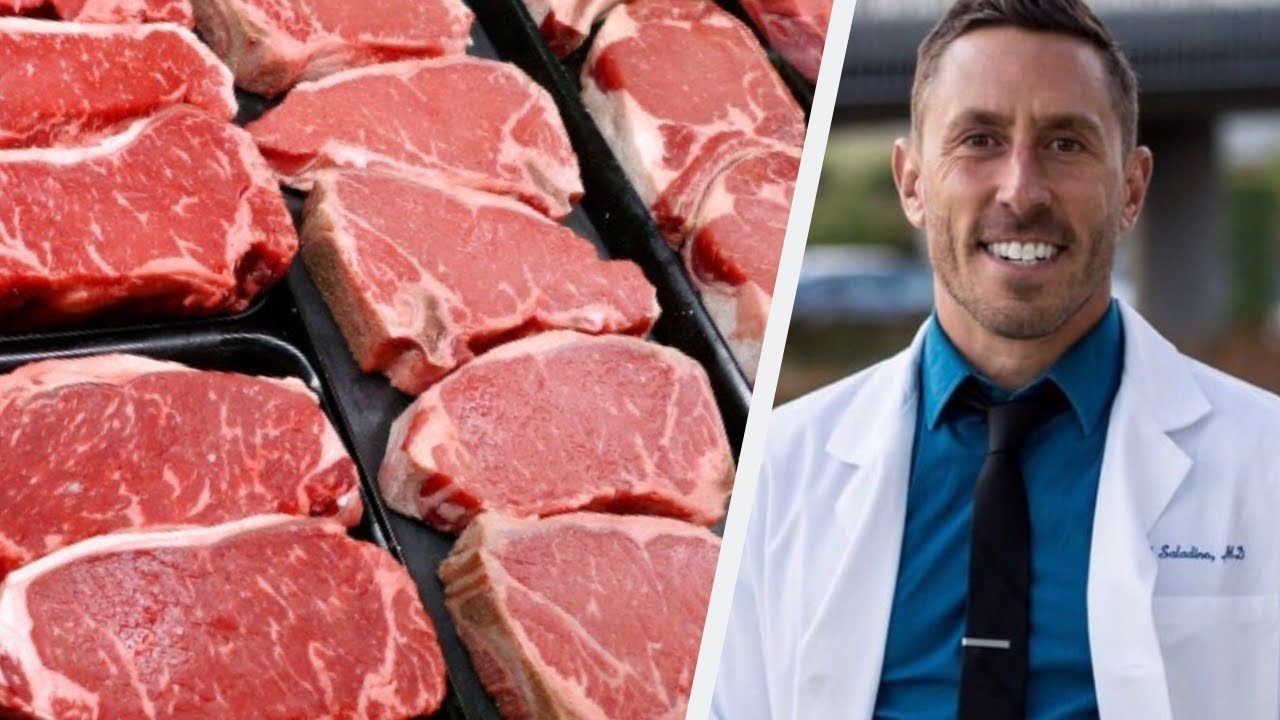
Dr. Paul Saladino on the health effects of the carnivore diet

Dr. Paul Saladino meat
Dr. Paul Saladino1 trained at the University of Arizona with a focus on integrative medicine. He completed his residency in psychiatry at the University of Washington in 2019, and is a certified functional medicine practitioner through the Institute for Functional Medicine. In this interview, Saladino discusses the surprising benefits of the carnivore diet, especially for those struggling with autoimmune disease.

Initially, I was skeptical of the carnivore diet, but once I listened to Saladino's detailed analysis and justification for this approach, I changed my position and believe it is appropriate for a large number of individuals.

While at the time of this interview, Saladino was still a resident-in-training, he's developed profound expertise in this area by attending medical school twice, and diving deep into the medical literature.

Comment: See also:


Info

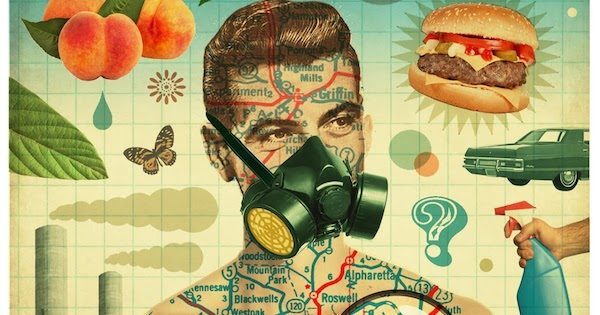
The Exposome: The unique cloud of airborne microbes and chemicals that surrounds each of us

Mapping the exposome
© atlantamagazine.comMapping the exposome
Researchers begin to explore the unique cloud of airborne microbes and chemicals that surrounds each of us

In the past few decades, researchers have opened up the extraordinary world of microbes living on and within the human body, linking their influence to everything from rheumatoid arthritis to healthy brain function. Yet we know comparatively little about the rich broth of microbes and chemicals in the air around us, even though we inhale them with every breath.

This struck Stanford University genomics researcher Michael Snyder as a major knowledge gap, as he pursued long-term research that involved using biological markers to understand and predict the development of disease in human test subjects. "The one thing that was missing was their exposure" to microbes and chemicals in the air, Snyder says. "Human health is clearly dependent not just on the genome or the microbiome, but on the environment. And sampling the environment was the big hole."

Stop

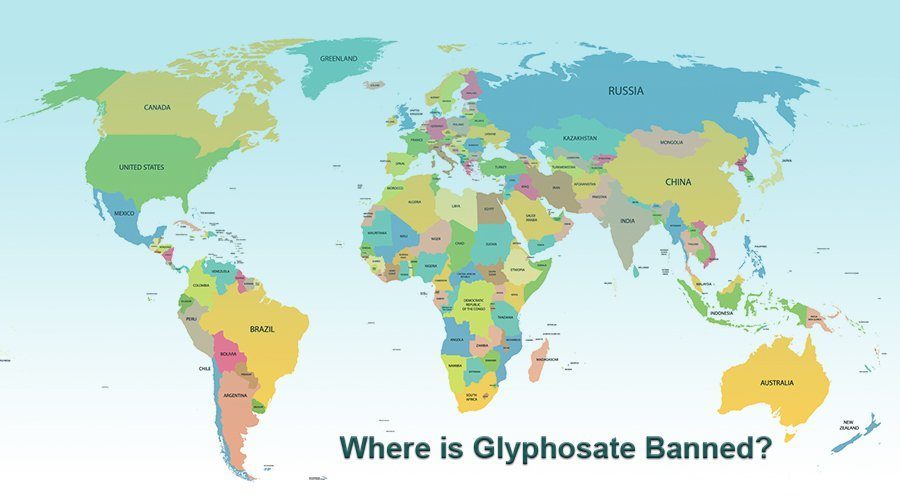
Glyphosate Ban: Is your country or county safe from the agrichemical behemoth RoundUp?

Map of Glyphosate Ban
A number of cities, counties, states and countries throughout the world have taken steps to either restrict or ban glyphosate, the active ingredient in Monsanto's Roundup weed killer.

The following countries have issued outright bans on glyphosate, imposed restrictions or have issued statements of intention to ban or restrict glyphosate-based herbicides, including Roundup, over health concerns and the ongoing Roundup cancer litigation

Cow

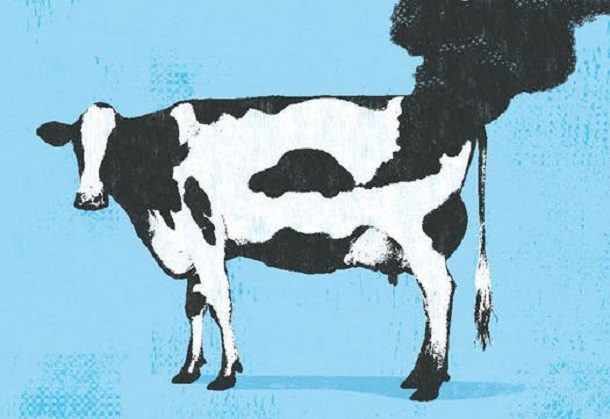
Even if CO2 caused climate change, it would be the cars, not the cows

cow farts
© Rob Dobi for the Star Tribune
People tend to feel weird about meat, even if for no apparent reason. As Michael Pollan said, "eat food, not too much, mostly plants." It sounded good, anyway.

In reality, the argument for avoiding animal foods has never been strong. When it comes to health, the case against meat is almost exclusively derived from a scientific methodology known as nutritional epidemiology, a real weakling of the lab. Though it may arrive on the news as gospel, your typical study showing that eggs, butter or beef promotes disease almost always relies on questionnaires, and the unverifiable, approval-seeking recall of participants. Plus, the end result of an epidemiology study can still only show associations, not cause-and-effect.

But you wouldn't know that from the confidence with which, for five decades now, we have been directed toward the salad bar.

Comment: Despite the fact that this author is totally caught up in the 'CO2 = Climate Change' narrative, the article is illustrative of the fact that, even according to that narrative, the vegan-environmental argument makes no sense. 'But muh carbon' is a red herring, but even if it wasn't, pastured meat consumption would be helping matters, not causing climate catastrophe.

See also: