Health & WellnessS


Brain

Study suggests: Spike in Autism may be linked to preservative in processed foods

autism
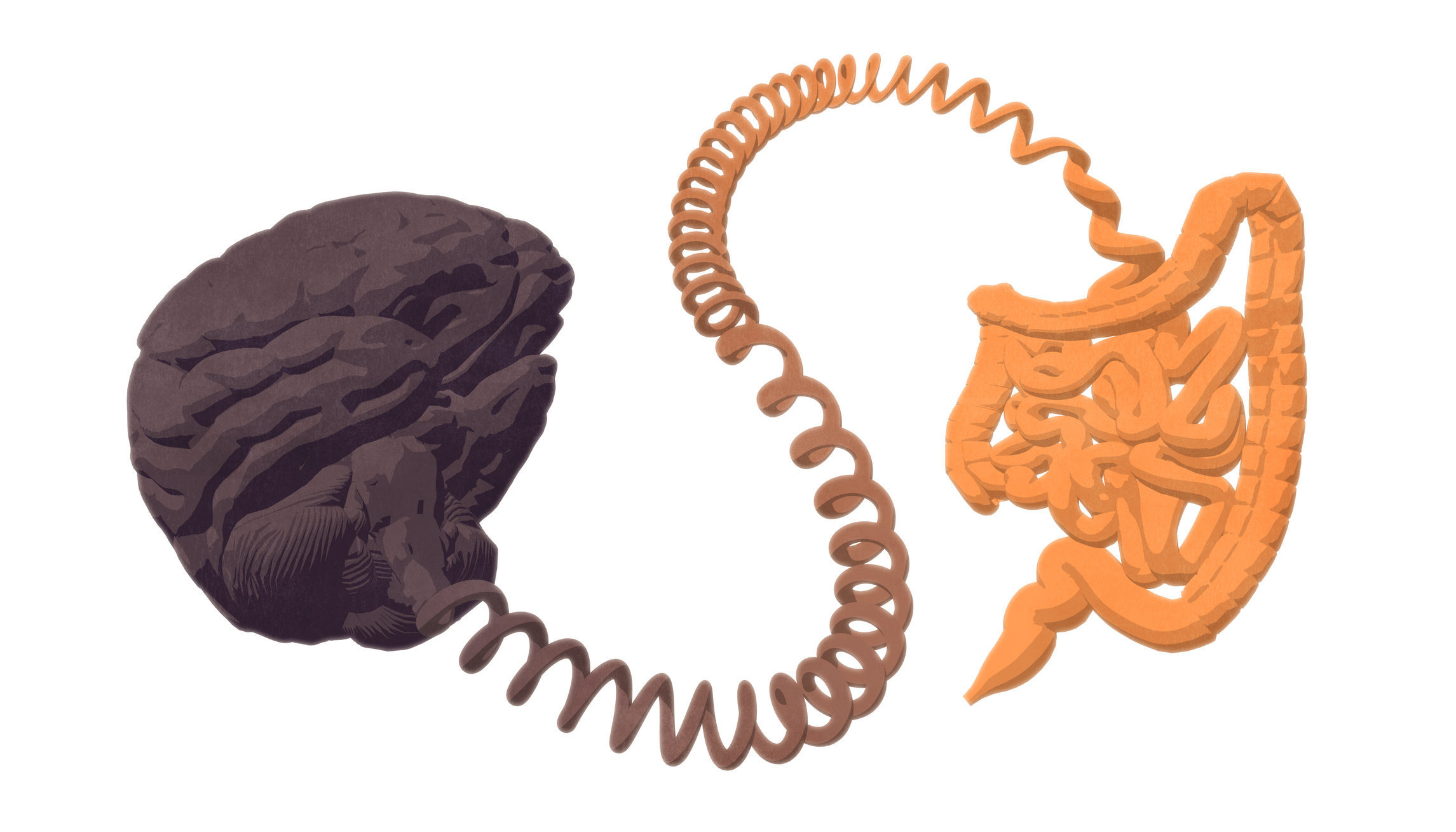
Researchers from the University of Central Florida (UCF) just announced intriguing findings which describe cellular changes that develop when neuronal stem cells are exposed to elevated levels of a chemical typically found in processed foods.

The study serves as an example of the importance of the food pregnant women eat, and how it may potentially affect development of the fetal brain.

The study describes how elevated levels of the preservative, propionic acid (PPA)-used to extend shelf life and reduce mold in packaged foods, breads and cheeses — can adversely affect the development and differentiation of neurons in fetal brains in children with autism spectrum disorder (ASD).

The research was published June 19 in the journal, Scientific Reports.

Biohazard

Rare virus spread by mosquitos that can cause personality changes found in NY & Massachusetts

mosquito
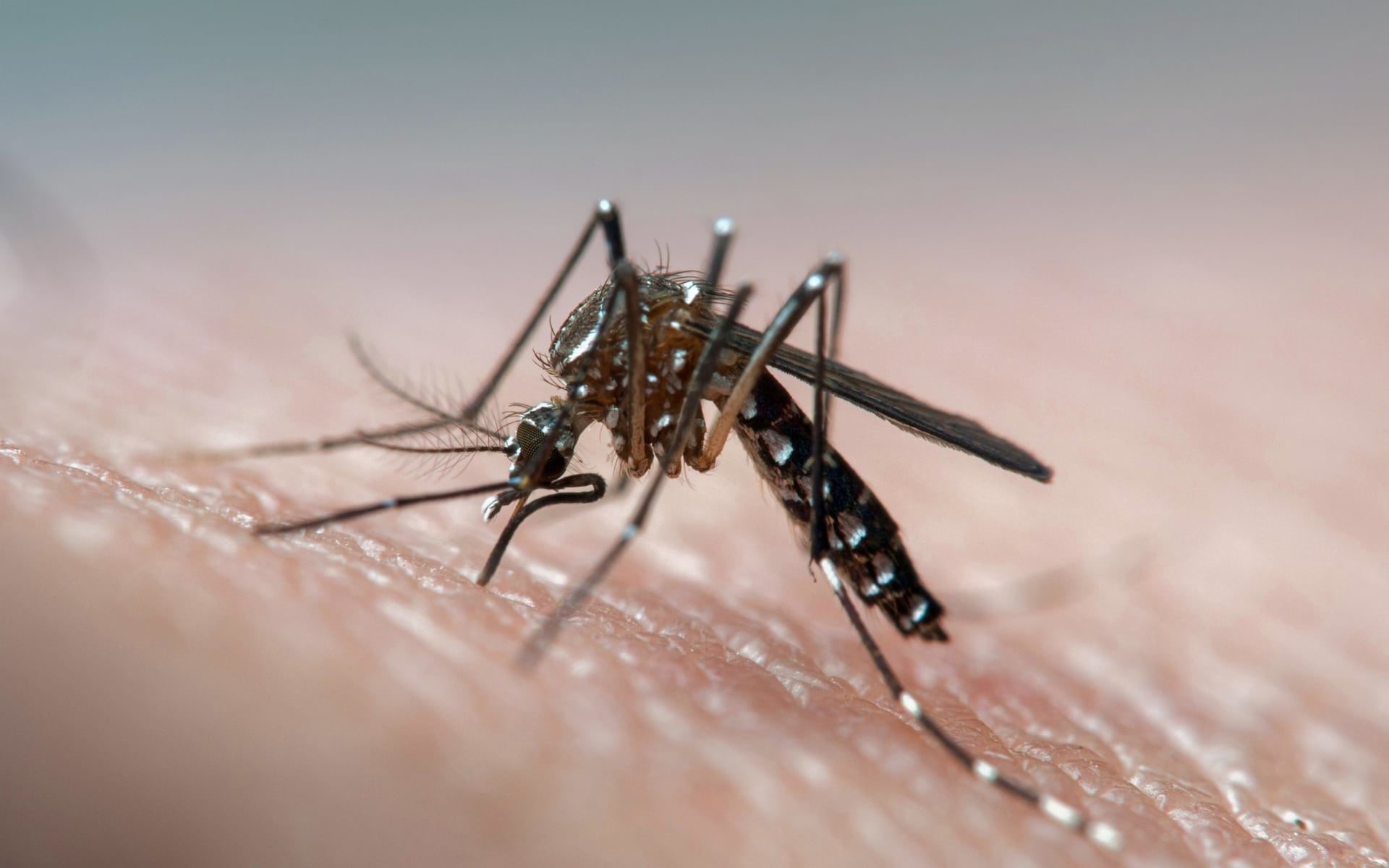
© Thomson ReutersEastern equine encephalitis is a potential deadly but rare disease that causes brain damage.
If you needed another reason to use bug spray this summer, here it is: A rare virus that causes brain damage has been confirmed in mosquitoes in New York and Massachusetts, health officials reported last week.

Oswego County officials said the eastern equine encephalitis virus, or EEE, was discovered in two mosquito pools from a swamp about 20 miles north of Syracuse in a town called West Monroe, according to Syracuse.com.

The Boston Globe reported the virus has also been confirmed in mosquitoes south of Boston — in Easton, Freetown, and New Bedford. No human infections have been reported yet in either state this season.

Comment: Of late there has been a surge in the number of related stories coming out of the US that includes: water-borne, brain eating amoeba, severe meat allergies from tick bites, mass food poisonings, rising anti-biotic resistant STD's, along with a plethora of other outbreaks: Also check out SOTT radio's:


SOTT Logo Radio

SOTT Focus: Objective:Health #24 - Cootie Invasion - Strange Disease and Infection Outbreaks

O:H header
Anyone reading headlines regularly can't help but notice a number or strange disease outbreaks popping up in various regions, seemingly out of nowhere. Flesh-eating disease on the East coast of the US, typhus and tuberculosis in Los Angeles, syphilis, chlamydia and gonorrhea making a comeback in Europe, treatment-resistant fungal infections, chronic Lyme disease around the world... it makes one wonder - what the heck is going on here?

Join us on this episode of Objective:Health as we profile some of the strange outbreaks happening of late - some weird new infections and some old 'favorites', previously thought eradicated, making a comeback. We speculate on some of the reasons we may be seeing what we're seeing and ways that one can protect themselves from falling victim to the cootie invasion.


For other health-related news and more, you can find us on:
♥Twitter: https://twitter.com/objecthealth
♥Facebook: https://www.facebook.com/objecthealth/
♥And you can check out all of our previous shows (pre YouTube) here.

Running Time: 01:00:49

Download: MP3 — 55.3 MB


Roses

Botanicals: The benefits of plant-based ingredients

botanicals
© Alex Loup
We've all heard to avoid harmful chemicals when it comes to skincare - but what are the benefits of botanicals, and how can you include them in your daily routine?

It's everywhere. The notion of swapping out toxic chemicals has permeated the entire consumer goods industry, ranging from beauty products to mattresses, and everything in between.

But with this increased awareness of what's in the products we use every day, comes an even greater responsibility for consumers to be able to decipher the ingredient list on their labels. Many synthetic organic chemicals and their replacements are disguised within hard-to-pronounce words like "dibutyl phthalate" and "propylparaben" — and we've heard the advice to avoid the ingredients we don't recognize. So what should we be looking for in our products?

Enter plant-based ingredients.

Biohazard

Brain-eating amoeba kills man after North Carolina water park visit

Naegleria fowleri
Naegleria fowleri
A North Carolina man has died from a rare brain-eating amoeba after swimming in a manmade lake at a water park, officials said Wednesday. The state Department of Health and Human Resources said in a news release that the infection was caused by the amoeba naturally present in warm freshwater during the summer.

The man-made lake at Fantasy Lake Water Park in Hope Mills, Cumberland County, North Carolina, is pictured in a promotional image from the park's website. Fantasy Lake Water Park

The unnamed person became sick after swimming in Fantasy Lake Water Park in Hope Mills in Cumberland County on July 12.

Comment: The rise of flesh-eating bacteria and other deadly infections are likely correlated to extreme temperatures, over prescription of anti-biotics, a population whose health is in general decline, pollution, but there are likely other compounding factors. And perhaps the explosion in algae blooms, fish die offs and outbreaks of other kinds could help shed some light on the situation.

See also:


Water

Strength training might come at the expense of endurance muscles

neuromuscular
© University of Basel, BiozentrumThe neuromuscular junction (NMJ): innervation of the acetycholine receptors (green) on the muscle fiber by the motor neuron (red).
The neurotransmitter brain-derived neurotrophic factor (BDNF) acts in the muscle, so that during strength training endurance muscle fiber number is decreased. Researchers at the University of Basel's Biozentrum have more closely investigated this factor, from the group of myokines, and demonstrated that it is produced by the muscle and acts on both muscles and synapses. The results published in PNAS also provide new insights into age-related muscle atrophy.

Fitness clubs are booming: New gyms are springing up like mushrooms. More and more people are striving to build up and strengthen their muscles. But what exactly happens in the muscle during training? In their recent work, Prof. Christoph Handschin's research group at the Biozentrum, University of Basel, has more closely studied strength muscles and the myokine brain-derived neurotrophic factor (BDNF), which plays an important role in the formation of strength muscle fibers.

Comment: See also: Also check out SOTT radio's: The Health & Wellness Show: Exercise Schmexercise: What the hell are we running from?


Cow

Don't let vegetarian environmentalists shame you for eating meat. Science is on your side

cows
© LINO MIRGELER, AFP/Getty ImagesCurious cows on a meadow in Raisting, southern Germany.
Around the world, we're being told to stop eating meat. Headlines, think tanks and activists all ask us to change our diet to combat climate change.

The Washington D.C.-based World Resource Institute suggests that resource management will require Americans to cut their average consumption of beef by about 40%, and scientists from Manchester University just claimed that "a typical summer barbecue for four people releases more greenhouse gases into the atmosphere than an 80 mile car journey." One of the professors points out that "the production of a 100g medium-sized beef burger releases enough greenhouses gases to fill more than 60 balloons."

The scientists propose a solution: we all need to replace our burgers with "veggie sausages," swap the cheese for half an onion and replace the butter with "vegetable spread". Voila: half the emissions.

Comment: You know an ideology is bad when even members of the elite class (vegetarians) are telling you you've got it all wrong. The carbon model of climate change is a farce and the vegan solutions offered are nothing more than gas-lighting. And the pipe-dream of renewable energy wrong on so many levels it ultimately makes things much much worse.

See also:


Biohazard

Man dies from flesh-eating bacteria he contracted on fishing boat

Vibrio Vulnificus
Vibrio Vulnificus
A 78-year-old man in Texas managed to contract a flesh-eating bacteria while he was out on a boat fishing — with no visible open wounds or compromised immune system — and was dead less than two weeks later, his daughter says.

"I'm still a little shocked and in disbelief," explained Kim Sebek, daughter of San Marcos resident Jerry Sebek, who died on June 25.

"Dad was a wonderful family man who loved to hunt and fish and do things out in the water," she told mySA.com. "We've been coming here (Turtle Bay) for years and this is just an unfortunate thing that happened."

According to Kim, Sebek never swam in the water and had no visible cuts on his body at the time.

Comment: Deadly water-borne infections appear to be on the rise but, as of yet, no acknowledgement or explanation for why this may be is forthcoming from the authorities:


Sun

Sunglasses increase risk of sunburn and skin cancer

sunburn
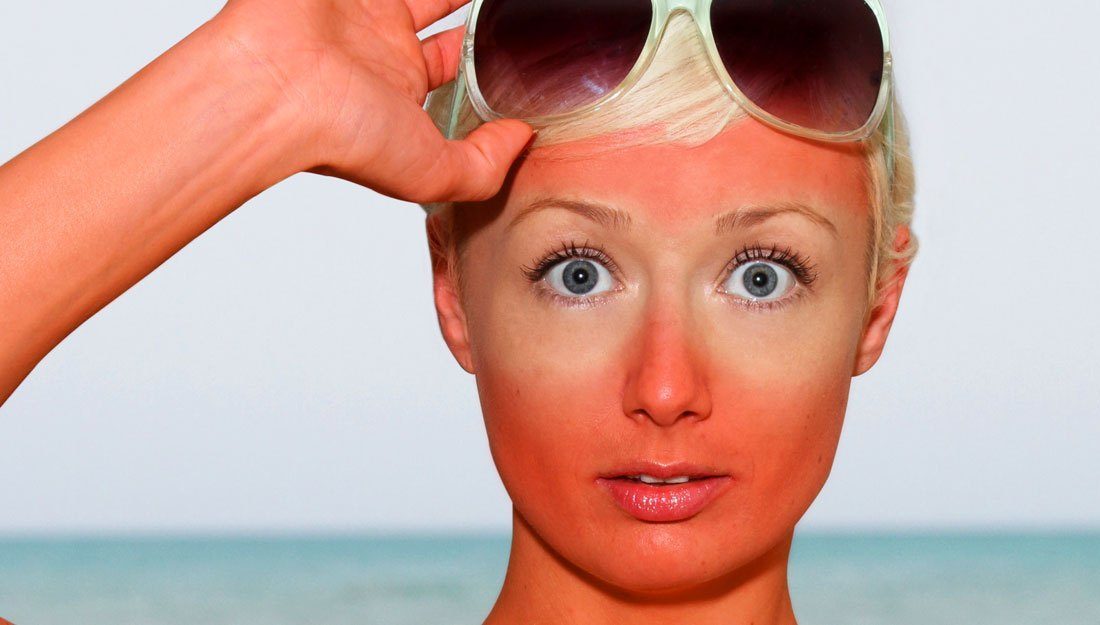
Sunglasses trick the brain into thinking it's dark and prevent it from producing a hormone that protects against sunburn, according to new research.

Emerging research is illuminating the dark side of wearing sunshades.

Sunglasses block UV light from entering the pineal gland through the optic nerves in the eyes.

This prevents the brain from sending the signal to the pituitary gland to produce melanin, the pigment that tans the skin and protects it from burning.

Comment: See also:


Pills

Study: Millions should stop taking aspirin for heart health

asprin
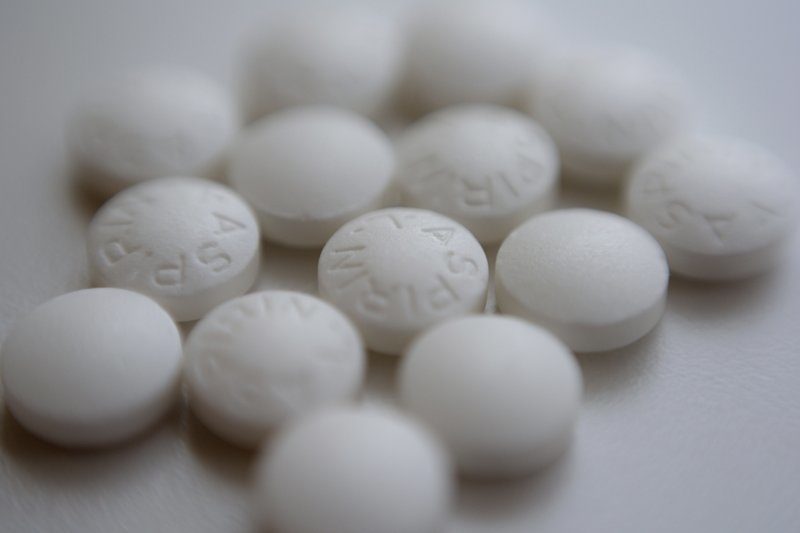
© AP Photo/Patrick SisonThis Thursday, Aug. 23, 2018 file photo shows an arrangement of aspirin pills in New York. A new study suggests millions of people need to rethink their use of aspirin to prevent a heart attack. If you've already had a heart attack, doctors recommend taking a low-dose aspirin a day to prevent a second one. But if you don't yet have heart disease, doctors now advise routine aspirin can do more harm than good.
Millions of people who take aspirin to prevent a heart attack may need to rethink the pill-popping, Harvard researchers reported Monday.

A daily low-dose aspirin is recommended for people who have already had a heart attack or stroke and for those diagnosed with heart disease.

But for the otherwise healthy, that advice has been overturned. Guidelines released this year ruled out routine aspirin use for many older adults who don't already have heart disease — and said it's only for certain younger people under doctor's orders.