Health & WellnessS


Brain

Case study reveals how cognitive decline can be reversed

Alzheimer, Demenz
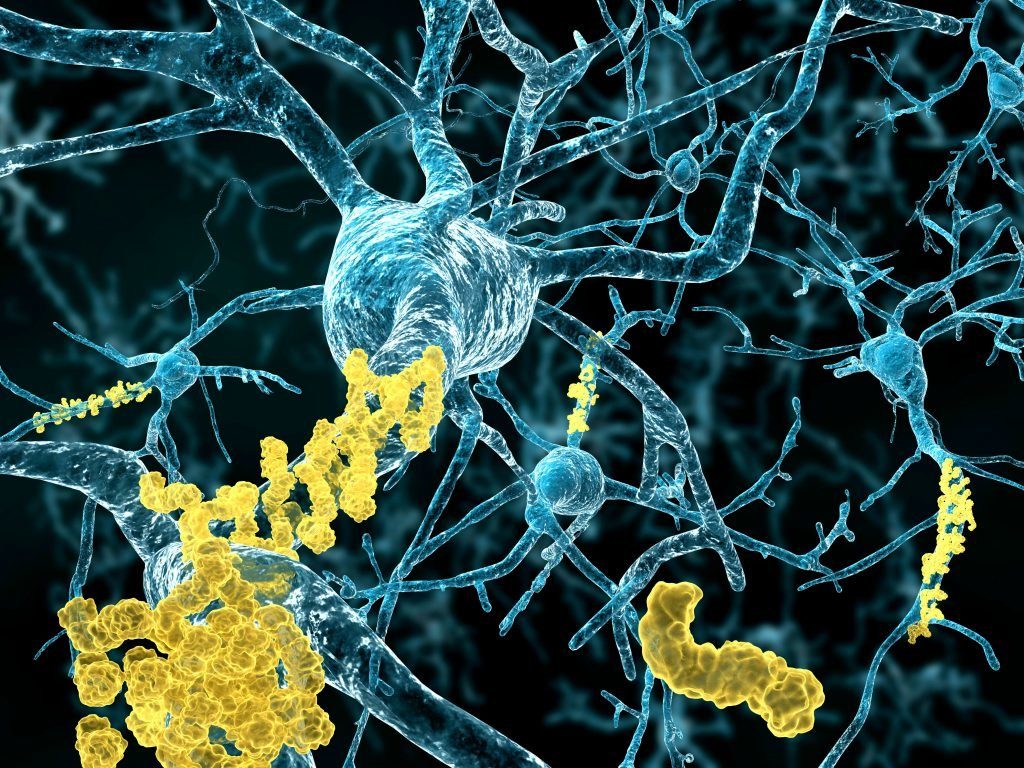
Alzheimer's disease, which is the most common form of dementia, eventually leads to the inability to carry out even the most basic of bodily functions, such as swallowing or walking. It is ultimately fatal, as conventional treatment options are few and universally ineffective.

Like autism among children, Alzheimer's among seniors has reached epidemic proportions, with no slowdown in sight. On the contrary, evidence suggests the trend is worsening.

At present, Alzheimer's affects an estimated 5.8 million Americans,1 and projections suggest the disease will affect 1 in 4 Americans within the next two decades. By 2050, Alzheimer's diagnoses are projected to triple.2,3

Comment: It's interesting that previous researchers have found benefits of ketosis and fasting for neurodegenerative conditions even before knowing what the mechanism of action was. It's sad that the mainstream medical system continues to look at beta amyloid plaques as the bad guy, despite no progress along that line. It's thinkers like Bredesen who's getting results, that will be paving the way for research in the future.

See also:


Cow

Grassland Ecology 202 for vegans: Calling for change that makes sense

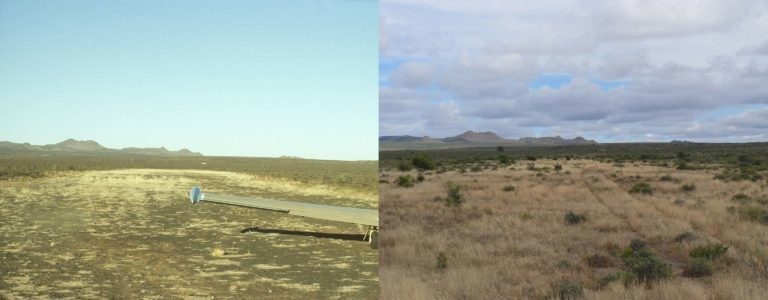
desert to grassland
© https://www.savory.global/holistic-management/science-library/Desert to grassland through managed grazing.

Comment: See the first Part, Grassland Ecology 101, here.


This post follows up on Grassfed Ecology for Vegans and Synthetic Meat Marketers. Let's take a look at common vegan calls to action. We'll see how the agricultural community responds to them, and make some suggestions about how to open better conversations.

In the first post, I described how our global grasslands co-evolved with ruminant herds. Grazing herds spur regrowth of grass, break down the grass into nutrition and fertilizer. Together grasses and grazers grow the topsoil on which life in general, and veganism in particular, depends.

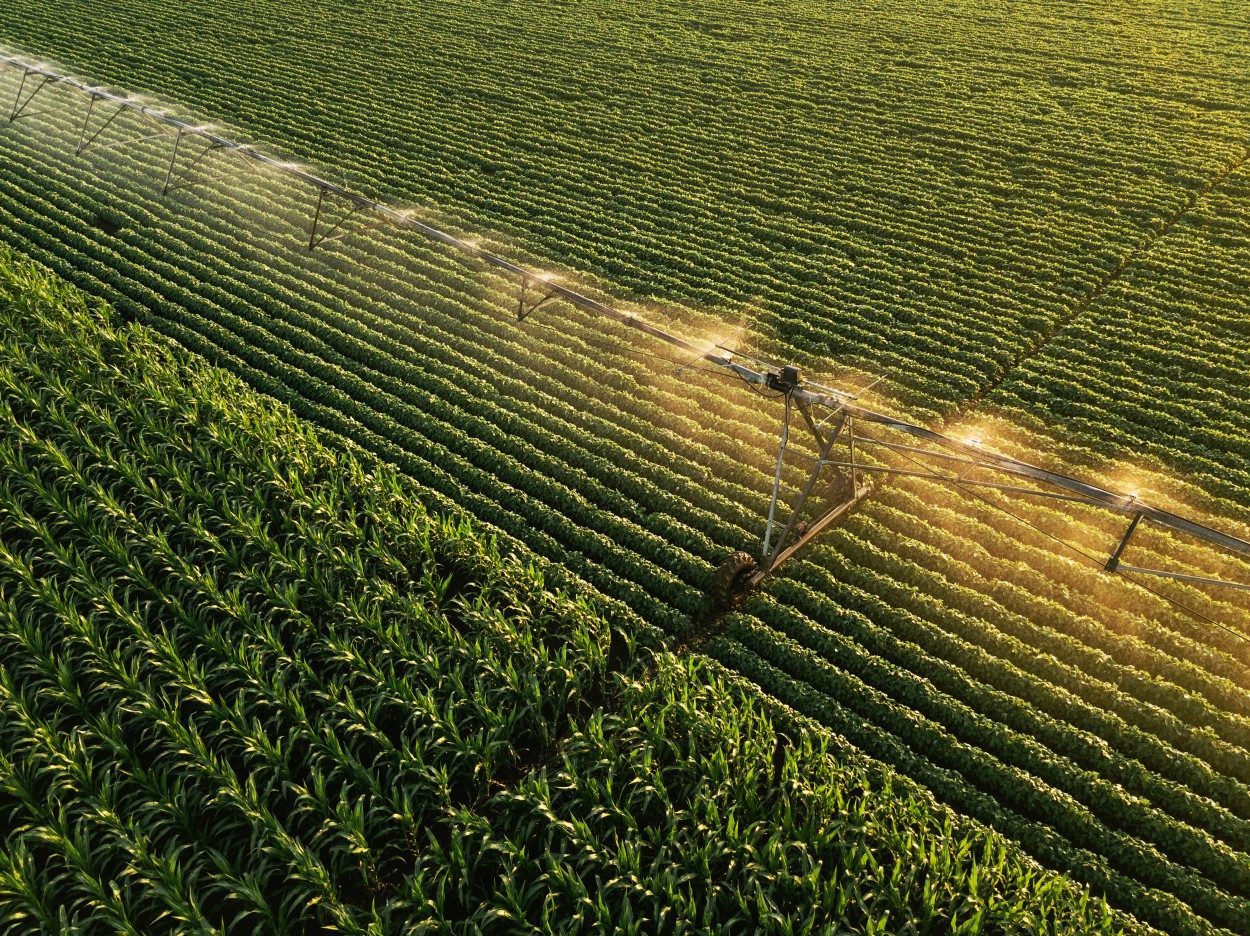
Calling for the end to ruminant livestock husbandry overlooks global grassland ecology. Calling for an end to concentrated animal feeding makes more sense. Concentrated Animal Feeding Operations (CAFOs) do not allow animals to graze for the last part of their lives. Instead, high-calorie cattle feed is grown on vast acreage using GMO seeds, synthetic fertilizers derived from fossil fuels, and toxic herbicides. These large monocultures often intentionally remove all biodiversity of plants, wildlife, and soil biology. The soils cannot generate their own nutrition, they do not hold moisture well, and they create the perfect environment for invasive weeds.

Comment: See also:


Syringe

Dr. Malcolm Kendrick - A second look at vaccination - answers that cannot be questioned

'No man can be forced to be healthful, whether he will or not. In a free society, individuals must judge for themselves what information they choose to heed and what they ignore.' John Locke. 'A letter concerning Toleration'
Childhood vaccinations
© Twitter
Here, I am going have another look at vaccination, before scurrying away from the subject for a bit, and getting back to the safe ground of cardiovascular disease. Much to the relief of some of the regular readers of this blog, no doubt.

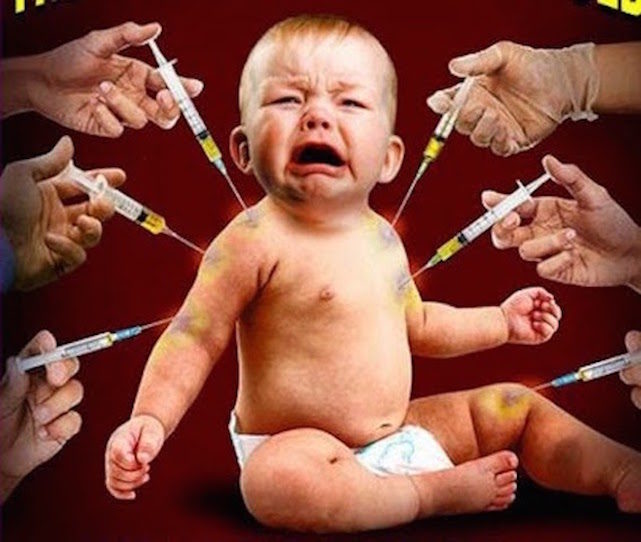
I have to say that I thought long and hard about blogging on vaccination. It is the most brutal area for discussion that I have ever seen, and a reputation shredder. If you even dare to hint that there may just be the slightest issue with any vaccine, people come down upon you like a ton of bricks.

I also know that by daring to write on this subject, there will inevitably be people moving behind the scenes to have my blog taken down. I cannot imagine WordPress management going to the wire to protect my right to free speech. A little flick of a switch, and I will be gone from the airwaves.

However, as we move towards a world where it seems that all Governments around the world are going to pass laws mandating vaccination for everyone, and people are fined, or lose their jobs, for speaking out, or refusing to be vaccinated, then I feel that some attempt to discuss the area is essential.

Because, once something becomes mandatory, and any research into possible harms moves strictly off limits, we really need to be absolutely one hundred per-cent certain that there is no possibility that we may be doing harm. Or, that we are reducing any potential harm to the lowest level possible.

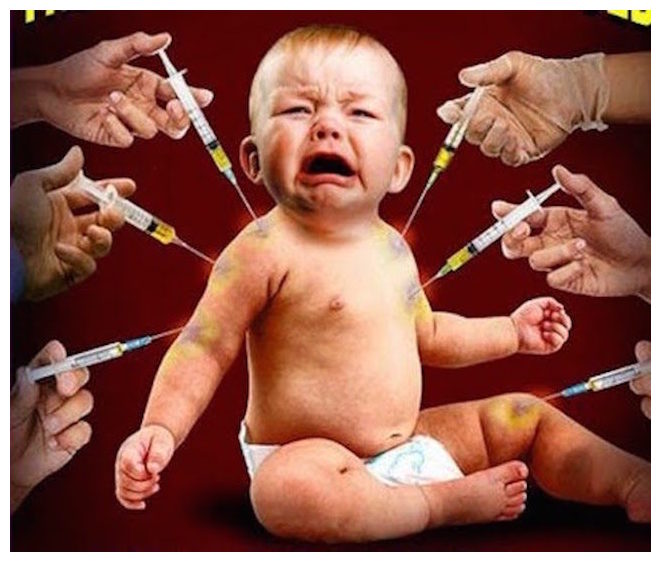
Can vaccines do harm?

Comment: Dr. Malcolm Kendrick - The vaccination debate Part 1


Health

Muslim parents reject non-Halal flu vaccine

vaccines
Muslim parents are refusing to let their children take part in a flu nasal spray vaccine as it is 'not halal'.

The Muslim Council of Britain ruled the treatment forbidden by Islam after parents were told the vaccine contained gelatin - which derives from pigs and is considered unclean.

Public health officials have expressed concerns over the number of Muslim children expected to be withdrawn from a national programme set to start in schools next month.

For the first time, every healthy children between the ages of two and 10 in England will be offered the Fluenz nasal spray vaccine.

An injectable alternative without gelatin does exist, but it is only offered to kids who are at a higher risk of contracting the flu.

Community leaders revealed in some areas that the "mast majority" of Muslim parents have vowed to pull their kid from the programme.

Comment: UK government to give flu vaccine to children under the age of nine - even though similar program failed to prevent the recent flu crisis


Cow

Grassland Ecology 101 for vegans and synthetic meat marketers

desert to grassland
© https://www.savory.global/holistic-management/science-library/Desert to grassland through managed grazing.
First, congratulations on your commitment to making the world a better place. It's not always popular (or safe) to take a stand on principle when the rest of the world is unaware or insensitive to matters you find extremely important.

However (you knew that was coming), many of your arguments and statements about global ecology have been clouded by a misunderstanding perpetuated by biotech and global corporate agricultural interests. Briefly, let's look at the two big Red Herrings. Afterwards, I will suggest a path forward to bring strength and resilience to the plant-based movement. [Read Part 2]

Comment: It's been pointed out multiple times in multiple articles, videos and other media - livestock is good, nay necessary, for the environment. Don't believe the vegan environmentalist propaganda - they're trying to sell you something.

See also:


Info

This college dropout was bedridden for 11 years. Then he invented a surgery and cured himself

Doug Lindsay
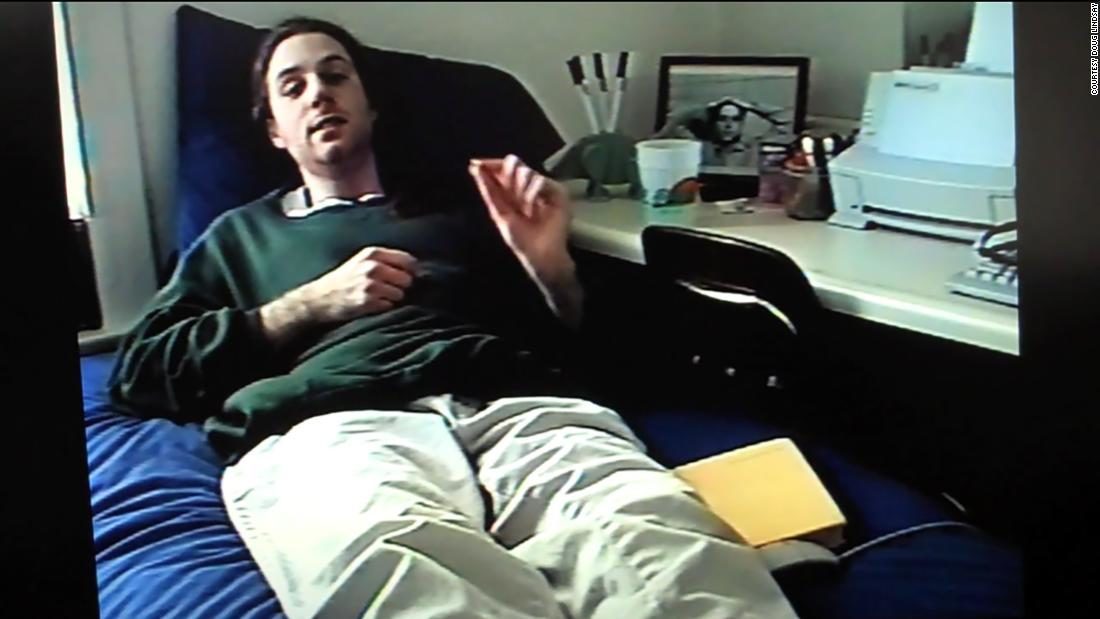
By the time he was 19, Lindsay was almost completely bedridden.
Doug Lindsay was 21 and starting his senior year at Rockhurst University, a Jesuit college in Kansas City, Missouri, when his world imploded.

After his first day of classes, the biology major collapsed at home on the dining room table, the room spinning around him.

It was 1999. The symptoms soon became intense and untreatable. His heart would race, he felt weak and he frequently got dizzy. Lindsay could walk only about 50 feet at a time and couldn't stand for more than a few minutes.

Cheeseburger

Impossible Foods, impossible claims

crop spraying monocrop

The company has courted ethical foodies, but how sustainable is this meat alternative?


Impossible Foods — maker of the veggie "burger that bleeds" — is the latest darling of the food-tech world. Its stardom is driven largely by its claims that the burger is better for the planet than the real thing: But what's actually in its signature patty raises big questions. Despite these questions, Forbes has given it glowing coverage; The New York Times has served up front-page column inches. Katy Perry, Questlove, and Jay-Z are all investors. And the company is already shorthand for a dot-com wunderkind. At a recent tech conference I attended more than one pitch led with "We are the Impossible Foods of..." This status comes from a PR arsenal, of course, a novel product, yes, but also from the company's explicit courtship of the ethical foodie, tapping a new generation of eaters who want to ensure the food on their plate helps the planet. In its very mission statement, Impossible Foods claims it will "drastically reduce humanity's destructive impact on the global environment" by using plant-based proteins. But just because it's not meat, doesn't mean it's a planetary panacea.

Comment: These meat alternatives are based on lies from the ground up - they're not better for your health, nor the planet.

See also:


Biohazard

132 people in 11 US states sickened by foodborne Cyclospora outbreak

Cyclospora
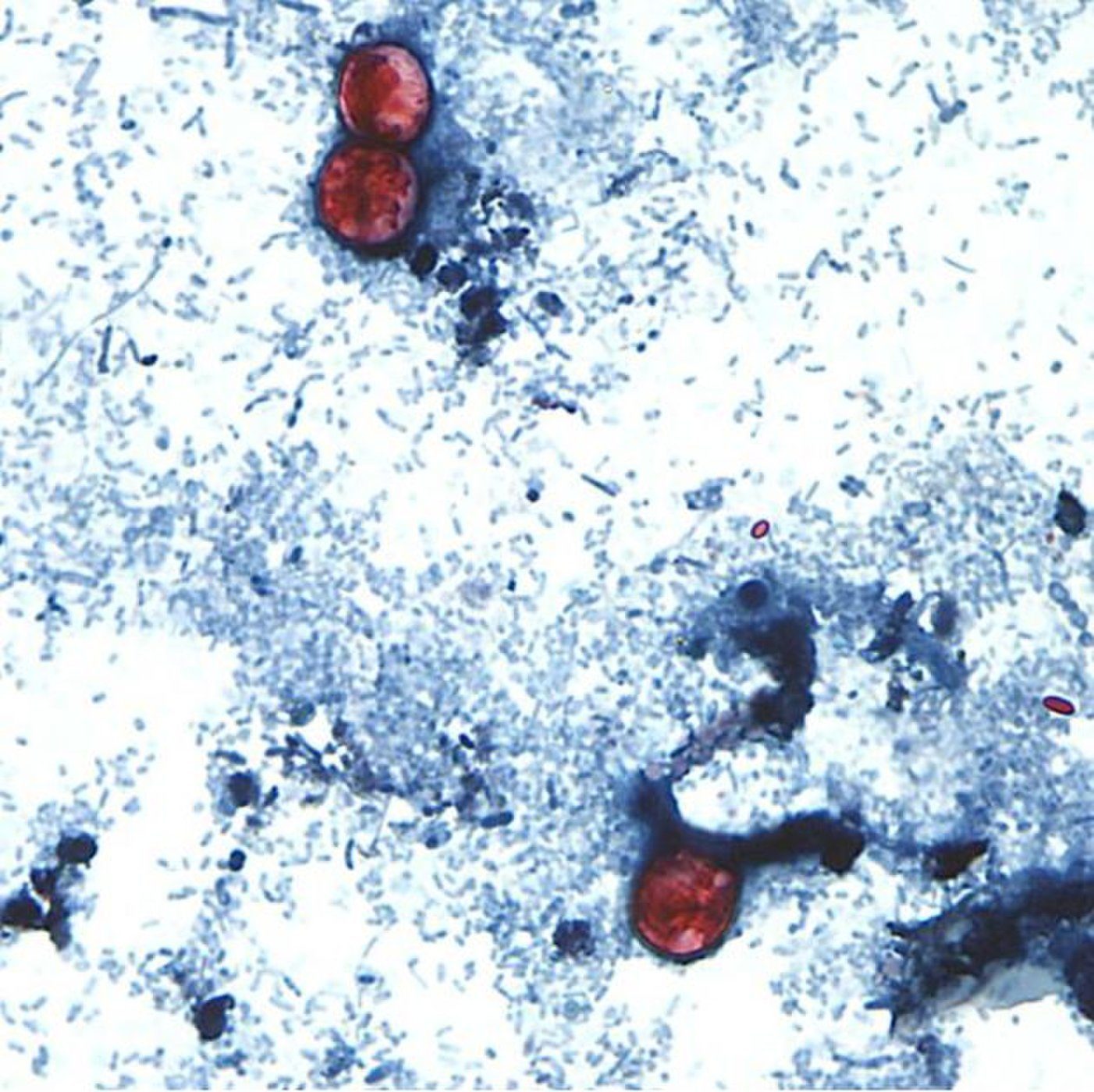
© CDC/ DPDx - Melanie MoserThe parasite Cyclospora can cause intestinal illness. Above, an image taken with a microscope showing Cyclospora eggs (red) in a stool sample.
A food poisoning outbreak tied to 132 cyclospora illnesses in 11 states was likely caused by fresh basil imported from Mexico by Siga Logistics de RL de CV, the Food and Drug Administration announced late Thursday. Four people have been hospitalized.

The investigation is ongoing, but the agency has requested a voluntary recall, and Siga Logistics has agreed. The FDA is working with the company to facilitate the recall.

Cyclospora is a parasite that spreads when people eat food (or drink water) that has come into contact with contaminated feces. Illnesses that are part of this outbreak have been reported in Connecticut, Florida, Georgia, Indiana, Massachusetts, Minnesota, New York, Ohio, Rhode Island, South Carolina, and Wisconsin. In Florida, Minnesota, New York, and Ohio, some people were exposed to cyclospora at restaurants. The FDA did not name the restaurants.

Comment: Stories of illness caused by contaminated food seem to be in the headlines more often these days: Also check out SOTT radio's: Objective:Health #24 - Cootie Invasion - Strange Disease and Infection Outbreaks


Info

Fascia: The cobweb of your body

fascia
When we talk about our bodies, we have a way of dividing it up into different parts, different tissues and different systems. We tend to forget that our body is in fact in one piece, and that every crease and corner of it is connected.

When it comes to wellness and function, as well as pain and dysfunction, it is important to remember this fact, and it may help you understand the dynamics of your treatment here at Spinal Symmetry.

When something hurts it is very rare that the source of the pain is in the same spot.

We ask ourselves "what is dysfunctional in order to cause strain in the painful spot?". And what we find is usually a dysfunctional chain, rather than a single dysfunctional joint or muscle.

Comment: Read more about fascia and it's web-like structure present throughout the entire body:


Hammer

'Don't ask don't tell' approach to new GMOs proposed by the USDA

CRISPR
© Genetic Literacy Project
Our right to know if it's GMO is officially under attack — again.

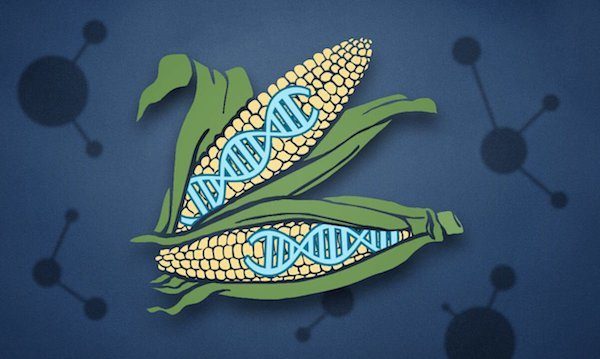
On June 6, the U.S. Department of Agriculture (USDA) proposed to overhaul longstanding regulations governing genetically modified organisms (GMO). The proposed new rule would revise the agency's current method for regulating genetically modified plants, and would exclude newer so-called "gene-edited" GMOs.

In a statement, the USDA said the new rule came "in response to advances in genetic engineering."

A week later, in the political equivalent of a one-two-punch, President Trump bolstered the USDA's proposal by signing an executive order directing the USDA, as well as the U.S. Food and Drug Administration (FDA) and the U.S. Environmental Protection Agency (EPA), to "streamline" GMO regulations in the U.S. for agricultural biotechnology, including for genetically modified livestock and seeds.