Health & WellnessS


Bullseye

Protecting children's health: American Academy of Pediatrics misses the big picture in their flawed 'organics' analysis

Image
For the first time, the American Academy of Pediatrics (AAP) has weighed in on organic foods for children. Its news release was widely covered in the national media.

While the AAP should be commended for acknowledging the potentially harmful effects of pesticide residues on conventional foods, their report - and associated press coverage - is seriously flawed in its basic approach to agrochemical contamination in our food supply and the associated threat to public health.

Even though the AAP acknowledges that many pesticides are neurotoxins, that studies have linked exposure to pesticides to neurological harm in children, and that a recent peer-reviewed study correlated higher pesticide residue levels in children with higher rates of attention-deficit hyperactivity disorder (ADHD), the AAP is cautious about reaching a conclusion regarding the harmful effects of pesticides.


Megaphone

Dr. Mercola attacked by biotech bullies

Image
© drmercola.com
We all know that labeling genetically engineered foods is a common sense right that is enjoyed by over 50 other countries, including China, India, and Russia.

But for Americans, that right has been taken away from us. The chemical companies and the junk food companies have done everything possible to hide the truth from Americans for the sake of their profits.

I knew going into this battle, that it would be a significant challenge and risk to me personally. You see, when you fight against major chemical companies like Monsanto, you're sure to get a little dirty along the way.

The processed food and chemical companies have paid over $40 million to hide the science experiment that has secretly ended up on the dinner plates of hundreds of millions of unknowing Americans. These multinational corporations are worried, and will do anything to keep you in the dark.

Keep in mind that the top six funders of "No on 37" are also the six largest pesticide companies in the world! That alone should tell you that their stance has nothing to do with your health and well-being.

This was just one of the ads that Monsanto & company have been sending voters to discredit me with lies. This is no surprise, considering how many people - inlcuding farmers, Monsanto has attacked in the past.

Extinguisher

Putting out the fire: Gut flora and the inflammatory cycle

Image
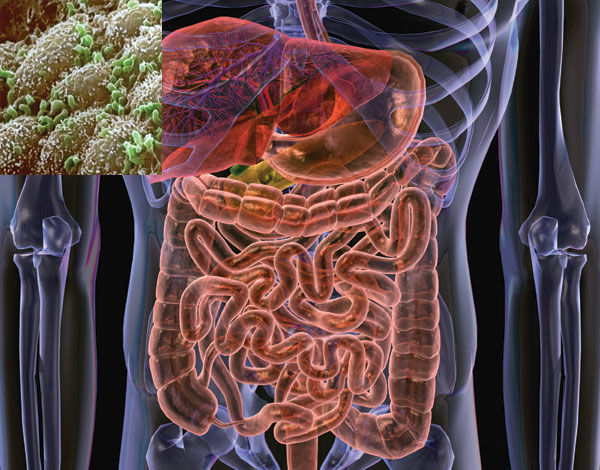
It's funny. Once you realize the relationship between nutrition, disease, health, and metabolism is complicated, complex, and completely interdependent, things somehow get a bit simpler. Everything is connected to everything else. Chronic stress begets chronic inflammation, which chronically elevates cortisol, which induces insulin resistance and belly fat accumulation. Celiacs are usually intolerant of casein, too. Diabetics get heart disease more and have higher cancer mortality rates. Diabetics are often insulin resistant and usually overweight. Celiacs are often Type 1 diabetics. The are overweight sleep less, work more, and get less sun than leaner folks.

Now, it'd be difficult to map out the precise relationships between myriad maladies and their nutritional triggers or risk factors. To do so definitively would produce a mostly unreadable mess. What we do instead is speculate. Make good guesses based on clinical, anecdotal, even anthropologic evidence. We look at what those people with chronic inflammation, obesity, autoimmune disease, diabetes, and celiac are eating, sleeping, and exercising, and we go from there. The precise physiological mechanisms behind some of these relationships have yet to be fully teased out, but the relationships exist and that's usually enough to get results. Hence, simplicity.

Pills

How millions are tricked into ingesting harmful statins

Image
© Activist Post
Are statins safe? When unknowing patients go to their doctor and are found to have high cholesterol or heart disease risk factors, they are usually given a pill rather than given instructions on how to reverse the conditions naturally. And that pill they are given is usually a statin. But, research is showing that these drugs do more harm than good - despite doctors doling them out in increasing and alarming numbers.

Are Statins Safe?

According to the Harvard Health blog, more than half of American men between the ages of 65 and 74 and 39% of women over the age of 74 are on statin drugs. That's huge, and accounts for millions of older adults. What's so frightening about this isn't that these people might have high cholesterol and be at risk for heart disease (the cholesterol myth has been debunked, by the way), but that the statins they are taking could actually be making things worse.

A study recently published in Atherosclerosis found that statins actually increase the risk of calcified arteries. This doesn't just mean a little plaque - it means the plaque has gotten so bad, it is in the latter stages of hardening of the arteries.

Attention

How tumors exploit gut flora to fuel growth, and the surprising finding that chemotherapy boosts resistant cancer

Image
© drmercola.com
Could your gut flora play a role in cancer growth? According to recent research, the answer is a tentative yes.

Findings published in the journal Nature[1] report the discovery of microbial-dependent mechanisms through which some cancers mount an inflammatory response that fuels their development and growth. These findings provide new insight into how cancer cells can hijack your body's inflammatory reaction by exploiting microbial-dependent immune cells.

As reported by Medical News Today:[2]
"The association between chronic inflammation and tumor development has long been known from the early work of German pathologist Rudolph Virchow. Harvard University pathologist Harold Dvorak later compared tumors with 'wounds that never heal,' noting the similarities between normal inflammation processes that characterize wound- healing and tumorigenesis or tumor-formation.

Indeed, 15 to 20 percent of all cancers are preceded by chronic inflammation - a persistent immune response that can target both diseased and healthy tissues... Still, most cancers are not preceded by chronic inflammation.

On the other hand, they exploit ubiquitous, infiltrating immune cells to unduly provoke and hijack the host inflammatory reaction. Until now, the mechanism of so-called 'tumor-elicited inflammation,' which is detected in most solid malignancies, was poorly explained.

'The tumor-associated inflammatory reaction... may hold the keys for future preventive and therapeutic measures,' said first author Sergei Grivennikov, Ph.D

Noting that studies of long-term users of non-steroidal anti-inflammatory drugs, such as aspirin, have revealed that general inhibition of inflammation reduces the risk of cancer death by up to 45 percent, depending on the type of cancer. 'So inhibition of inflammation during cancer development may be beneficial.'"

Red Flag

Die early with sleeping pills

Image
© Alliance for Natural Health
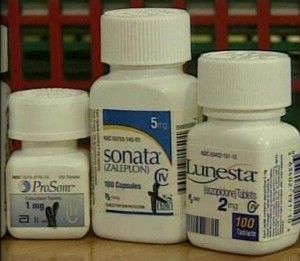
A new study shows prescription sleeping pills bring an increased risk of dying early - or getting cancer. So why is FDA rubber-stamping such dangerous drugs?

Sleep deprivation is a serious issue. As many as 70 million Americans suffer from insomnia and other sleep disorders. Some 60 million prescriptions for sleeping pills - technically called hypnotic drugs - were filled in 2011 as compared to 47 million in 2006.

Stress, an over-full lifestyle, poor diet, and especially the use of artificial light in the evening after going to bed, can all prevent sleep. As we reported earlier this year, lack of sleep makes you more likely to get sick, raises your risk of type 2 diabetes, high blood pressure, and obesity, and makes you more prone to depression.

Some of the risks of sleeping pills are already well-documented: daytime drowsiness, headaches, nausea, dizziness, and addiction. But a new study published in the British Medical Journal says that people taking a prescription sleeping pill - even when taking fewer than eighteen pills per year - have nearly four times the mortality rate of those who don't take the drugs. And patients who take higher doses of sleeping pills have a 35% increased cancer risk.

Info

Flashback Celiac disease becoming more common

Image
© kelownaceliac.org
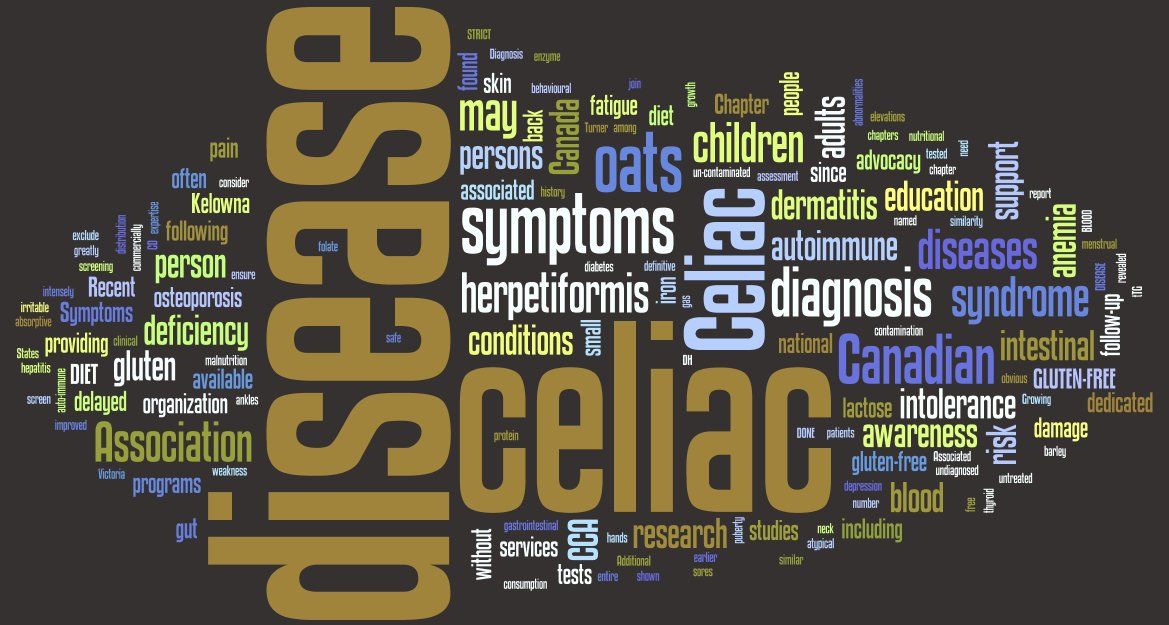
Celiac disease, a serious immune system reaction to the protein in wheat and other grains, is far more common today than it was 50 years ago, a new study shows.

People who have celiac disease can't tolerate gluten, a protein found in wheat, rye or barley. Life with celiac is difficult because gluten is found in many medications and processed foods. When gluten is consumed, the body's immune system damages the small intestine and nutrients can't be absorbed.

While it's been known that the incidence of celiac is on the rise, it hasn't been clear whether doctors are simply looking for it more often, and therefore finding more cases. But new research from the Mayo Clinic in Rochester, Minn., suggests that the disease is four times more common today than it was in the 1950s, and not just because doctors are more likely to test for it.

Comment: The Many Heads of Gluten Sensitivity:
Unfortunately, today most people do not understand the difference between gluten sensitivity and celiac disease. As a matter of fact, this is one of the reasons why so many patients fail to get properly diagnosed. Lab tests have traditionally focused on diagnosing celiac disease. This has created a proverbial No Man's Land for those patients who react to gluten differently. Because the labs come back negative for them, they are told to continue the consumption of grains, and they are told not to worry about gluten because they don't have celiac disease.

Until last year, most doctors and celiac disease researchers ignored or denied the existence of gluten sensitivity. The general thought was - if you don't have celiac disease, you don't have to worry about avoiding grains.

A new study published this week attempted to elucidate the differences between Celiac Disease and Gluten Sensitivity
Clues to Gluten Sensitivity
Book Review: Gluten Toxicity - The Mysterious Symptoms of Celiac Disease, Dermatitis Herpetiformis, and Non-Celiac Gluten Intolerance
Gluten Sensitivity Spectrum - Not Just a Celiac Issue
The Dark Side of Wheat - New Perspectives on Celiac Disease and Wheat Intolerance
Opening Pandora's Bread Box: The Critical Role of Wheat Lectin in Human Disease


Bulb

5 Reasons to end our war on germs

Image
© JPagetRFphotos/ Shutterstock.com
Our war against germs is doing more harm than good.

Western civilization guards its health as if constantly menaced by a giant public toilet handle. That's because we know how to read statistics, like we carry between two to 10 million bacteria from fingertip to elbow, or that germs can stay alive for up to three hours. As the Food and Drink Federation of Great Britain cheerfully points out, there can be as many germs under your ring as there are people in Europe.

We are a culture of germaphobes, spending as much as $930 million on antibacterial chemicals and $2.4 billion on soap at the end of the last decade. But is it possible that our war against germs is doing more harm than good?

Antibacterial or antimicrobial products do have a place in our society: in hospitals, on the surgeon's table, in your nurse's hands. But stationed in our handbags, waiting to be daily lathered up at the first touch of a subway pole? Not so much. Studies show that some antimicrobial products not only contain potential hormonal disruptors, but they are enabling superbugs to breed beyond our ability to smite them. Here are five reasons you should trade in some of your antibacterial sprays, gels and liquid soaps for just plain old soap and water.

Health

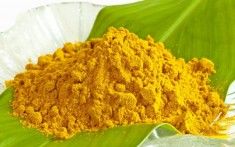
Turmeric repairs damaged liver tissues, promotes overall liver health

Image
© Activist Post
Turmeric: it gives curries their smoky, pungent taste and gorgeous yellow hue. But this root is far more than just tasty - it's one of the most valuable plant-based medicines in existence. Research has connected turmeric to a variety of wonderful benefits, including and especially the promotion of liver health.

The Role of Turmeric in Restoring the Liver

According to a new study in the Journal of the Medical Association of Thailand, scientists there have found that the livers of diabetic rats were repaired and even regenerated with the help of this yellow power-root.

Severe diabetics often suffer liver damage and disease as they progress. But, research indicates turmeric may be able to help.
"Fascinatingly, liver microvasculature in curcumin treated group developed into regenerate and repair into healthy and normal characteristics." They concluded: "These results optimistically demonstrated the potential use of curcumin as a novel therapeutic agent in liver pathology of diabetic rats."
What is it about turmeric that makes it so great? It's the compound known as curcumin. And curcumin has long been connected to liver health. Numerous studies have linked it to effectively combating liver cancer and improving liver fibroids.

Comment: Learn more about the numerous Health Benefits of Turmeric:

Turmeric: The Return of The Golden Goddess
Turmeric is the Anti-Aging, Anti-Oxidant, Anti-Inflammatory Super Spice
Turmeric can help regenerate the liver, groundbreaking new research
Turmeric, Curcumin Naturally Block Cancer Cells
Weekly Curry 'May Fight Dementia'
'Holy Powder' Makes Your Cell Membranes Behave for Better Health
Turmeric's Powerful Life-Promoting Properties Put Pharmaceuticals to Shame
India's 'holy powder' Finally Reveals It's Centuries-Old Secret
Spice of Life: Turmeric Boosts Effects of Chemo in Fighting Tumors
Curry cures? University researchers uncover truth behind natural remedies


Info

Gluten intolerance causes infertility

Image
This study demonstrates how gluten sensitivity can contribute to infertility and other obstetrical and gynecological problems. Celiac patients who were not compliant with a gluten free diet presented with "delayed menarche, secondary amenorrhea, a higher percentage of spontaneous abortions, anemia and hypoalbuminemia." Gluten free diet compliance led to normal pregnancies. The author of the study goes on to say that gluten sensitivity should be screened for in women presenting with reproductive disorders.

Source

J Clin Gastroenterol. 2004 Aug;38(7):567-74.