Health & WellnessS


Health

Research finds Aloe Vera may prevent and treat skin cancer

Image
© greenmedinfo.com
Research from the University of Belgrade School of Medicine has confirmed what other recent studies have been finding - that Aloe vera and its constituents inhibit the process of skin cell proliferation that accompanies skin cancer.

The researchers tested Aloe-emodin, a constituent of Aloe, with human skin cells - keratinocytes - after being treated with radiation. Once radiated, keratinocytes will typically proliferate in the process of forming skin tumors.

The researchers found that the Aloe-emodin significantly stopped the proliferation process. This confirmed Aloe's benefit in halting the progression of tumor formation after radiation by the sun.

This study confirms other recent findings. Researchers from South Korea's Gachon University of Medicine and Science found that Aloe-emodin specifically halted the growth of human cancerous liver cells. The researchers found that Aloe-emodin stimulated a genetic change within the cancerous cells that not only halted their expansion, but induced cell death among tumor cells.

Document

FDA: Drug companies faked thousands of drug documents

Image
© Natural Society
According to the Food and Drug Administration, a major drug research contractor has been found faking documents and manipulating samples. The firm, Cetero Research, has tested medicines for major drug companies that are now being forced to reevaluate their products in response to warnings issued by US regulators. The news may be from 2010, but is an example of pharma corruption nonetheless.

Absentee Lab Technicians, Fixed Studies

North Carolina-based Cetero performs early-phase clinical research and bioanalytics for many pharmaceutical companies, which use the results to receive FDA approval for drugs. Exactly which companies used Cetero's services for FDA drug approval remains unclear, though such companies are being asked by the FDA to come forward.

Magic Wand

Turmeric extract puts drugs for knee osteoarthritis to shame

Image
© greenmedinfo.com
Millions take non-steroidal anti-inflammatory drugs (NSAIDs) daily for arthritis and related inflammatory conditions, but are completely unaware that far safer, and at least as effective, natural alternatives already exist -- and are as easily accessible and inexpensive as the spices found in your kitchen cupboard.

Human research on the health benefits of turmeric is sparse, mainly due to the lack of capital available to fund expensive clinical trials.[i] Despite many decades of investigation as a lead drug compound, and the availability of thousands of preclinical studies indicating turmeric's therapeutic value, few yet realize that this common kitchen spice may provide a suitable drug alternative for common health conditions.

The latest human study to clinically confirm turmeric's medicinal value was published in the Indonesian Journal of Internal Medicine in April, 2012 and found the curcuminoid extract of turmeric was able to reduce inflammation in patients suffering from knee osteoarthritis.

Bacon

The extreme importance of cholesterol: Fat influences decisions taken by brain cells for production and survival

Scientists at Karolinska Institutet in Sweden have identified two molecules that play an important role in the survival and production of nerve cells in the brain, including nerve cells that produce dopamine. The discovery, which is published in the journal Nature Chemical Biology, may be significant in the long term for the treatment of several diseases, such as Parkinson's disease.

The same scientists have previously shown that receptors known as "liver X receptors" or LXR, are necessary for the production of different types of nerve cells, or neurons, in the developing ventral midbrain. One these types, the midbrain dopamine-producing neurons play an important role in a number of diseases, such as Parkinson's disease.

What was not known, however, was which molecules stimulate LXR in the midbrain, such that the production of new nerve cells could be initiated. The scientists have used mass spectrometry and systematic experiments on zebrafish and mice to identify two molecules that bind to LXR and activate it. These two molecules are named cholic acid and 24,25-EC, and are bile acid and a derivate of cholesterol, respectively. The first molecule, cholic acid, influences the production and survival of neurons in what is known as the "red nucleus", which is important for incoming signals from other parts of the brain. The other molecule, 24,25-EC, influences the generation of new dopamine-producing nerve cells, which are important in controlling movement.

Black Cat

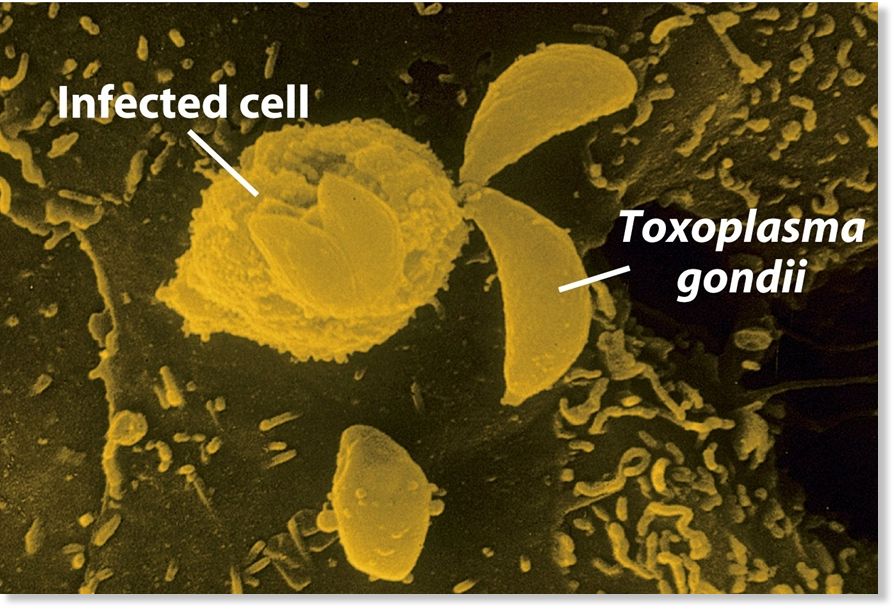
Toxoplasma gondii: Study turns parasite invasion theory on its head

Image
© Unknown
Current thinking on how the Toxoplasma gondii parasite invades its host is incorrect, according to a study published today in Nature Methods describing a new technique to knock out genes. The findings could have implications for other parasites from the same family, including malaria, and suggest that drugs that are currently being developed to block this invasion pathway may be unsuccessful.

Toxoplasma gondii is a parasite that commonly infects cats but is also carried by other warm-blooded animals, including humans. Up to a third of the UK population are chronically infected with the parasite. In most cases the acute infection causes only flu-like symptoms. However, women who become infected during pregnancy can pass the parasite to their unborn child which can result in serious health problems for the baby such as blindness and brain damage. People who have compromised immunity, such as individuals infected with HIV, are also at risk of serious complication due to reactivation of dormant cysts found in the brain..

Researchers at the Wellcome Trust Centre for Molecular Parasitology at the University of Glasgow made the discovery using a new technique to knock out specific genes in the parasite's genome. They specifically looked at three genes that are considered to be essential for the parasite to invade cells within its host to establish an infection.

Syringe

You are what you eat: GM salmon set for supermarket shelves after U.S. watchdog rules 'Frankenfish' is safe for environment

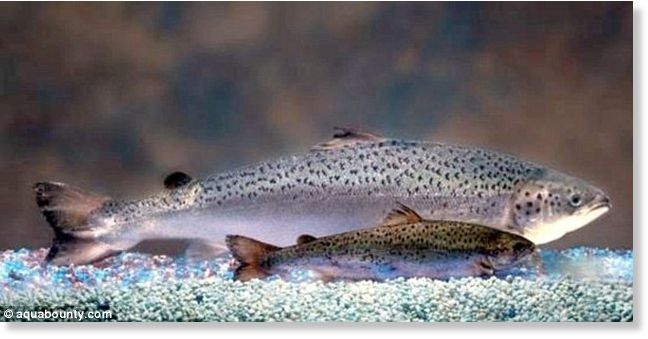
Genetically modified salmon could soon be found on supermarket fish counters after the U.S. food safety watchdog ruled it posed no environmental risks, it emerged today. The Food and Drug Administration (FDA) said it could find no valid scientific reasons to ban production of Atlantic salmon engineered with extra genes from two other fish species.
Image
© aqubounty.comGrowth spurt: The overwhelming size comparison of a genetically modified AquAdvantage Salmon, compared to a non-transgenic Atlantic salmon sibling in the foreground of the same age, are seen
If it is now given final approval, the fish will be the first GM animal to hit supermarket shelves anywhere in the world - and in the U.S. they may not even be labelled as modified. The FDA has already indicated the AquAdvantage salmon was safe for human consumption, but published a draft ruling on Friday declaring it unlikely to damage the environment.

Their two extra genes make the fish grow twice as fast as normal Atlantic salmon and supporters say it could make land-based fish farms much easier and cheaper to run. But opponents of the 'Frankenfish' technology warn it could escape and interbreed with wild fish, undermining the genetics of the already-endangered Atlantic salmon - known as the 'king of fishes'.

They also argue that commercial production of the salmon could be beginning of concerted efforts to concoct other GM animals for human consumption, raising concerns about animal welfare and human health.

Bacon

Diet for cancer cure: Starving cancer ketogenic diet a key to recovery


Evil Rays

Cancer radiotherapy: Was the mother right to refuse treatment?

Sally Roberts
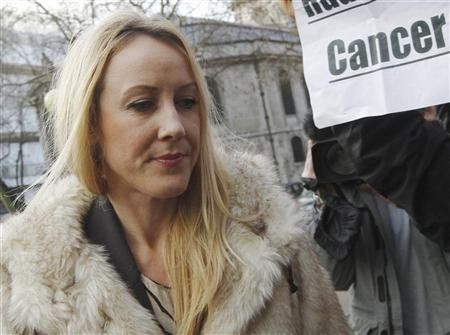
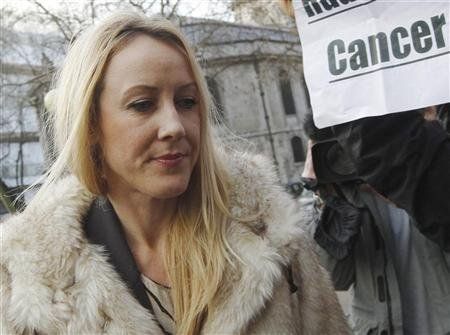
© Reuters/Luke MacGregorSally Roberts, Mother of seven year old cancer sufferer Neon, arrives at The High Court in central London December 21, 2012.
Everyone (in the UK at least) must know of Neon, the seven-year-old boy who has a brain tumour, medulloblastoma, and of Neon's mother, Sally Roberts, who is fighting for her son not to have radiotherapy and chemotherapy because of the danger, she says, of adverse side effects which could damage his brain and destroy his quality of life.

The Daily Mail, today, put it this way:
Cancer boy Neon WILL have radiotherapy against his mother's wishes after High Court ruling.
  • Mr Justice Bodey said he was worried Sally Roberts judgement had 'gone awry'
  • Mrs Roberts had tried to claim her son should have alternative treatment to radiotherapy
  • Experts brand her alternatives 'completely unethical'
  • She conceded that her argument is 'weak' under questioning
I don't intend to take sides on this issue (although you can probably guess which side I might be on). But if you are wondering if Mrs Roberts has a case, here is the abstract from a 2003 study about the long-term effects on survivors of exactly the treatment a judge has decided her son must have:

Health

8 ways microbes can save us from ourselves

Microbes
© GreenMedInfo
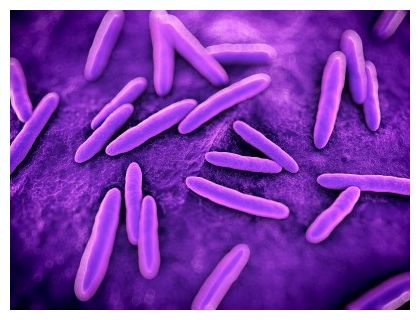
Could bacteria and related microbes, widely believed to be a primary cause of disease, explain how we are capable of surviving through the self-created chemical nightmare of industrialized society?

Environmental chemical exposures number in the tens of thousands among industrialized populations. Our water, air, food, and now bodies, are saturated through with xenobiotic chemicals (compounds foreign to our biochemistry) most of which did not even exist on the planet before the industrial revolution of the late 19th century.

Remarkably, our bodies are equipped with detoxification systems (such as the cytochrome P450 superfamily of enzymes), whose intelligent design makes it possible to degrade chemicals that did not even exist at the time in the distant past that these elaborate enzyme systems evolved - almost as if we were predesigned to be able to survive the burgeoning, geometrically expanding chemical onslaught of the past century.

Eventually, however, our elaborate detoxification systems become overloaded, which naturally leads to the emergence of acute and chronic diseases - diseases that the conventional medical establishment often pretends do not have an environmental origin, and therefore are treated by suppressing symptoms of poisoning with new, patented poisons known as pharmaceuticals. This approach has resulted in our becoming the sickest organism ever known to inhabit the Earth.

Thankfully, we are not alone. We have helpers all around and within us. Friendly bacteria (and beneficial yeast), with which we co-evolved, and have formed symbiotic alliances with, outnumber our own cells 10 to 1, numbering in the trillions. It has been proposed that our very definition of self should be updated to include these "others," and that humans are truly a "meta-organism." This is no metaphor, because if you take away these bacteria, we die.

Pills

Healthcare Fascism: Mother loses UK legal fight to stop son's cancer radiotherapy

Sally Roberts
© Reuters/Luke MacGregorSally Roberts, Mother of seven year old cancer sufferer Neon, arrives at The High Court in central London December 21, 2012.
A mother in Britain, who was so desperate to stop her cancer-stricken son having to undergo conventional medical treatment that she went into hiding with him, lost a court battle on Friday to prevent him receiving radiotherapy.

The case of Sally Roberts, 37, a New Zealander living in Brighton, southern England, and the plight of her seven-year-old son has made headlines in Britain.

Roberts wants to try alternative treatments first, including immunotherapy and photodynamic therapy for her son Neon. She has been told the boy needs treatment fast but fears the side-effects of conventional medicine.

Doctors treating the boy had warned that without radiotherapy he could die within three months

Judge David Bodey told the High Court in London the life-saving radiotherapy treatment could start against the mother's wishes, the Press Association reported.

"The mother has been through a terrible time. This sort of thing is every parent's nightmare," the judge said.

"But I am worried that her judgment has gone awry on the question of the seriousness of the threat which Neon faces."

The story of the sick blue-eyed blonde boy came to public attention earlier this month when Roberts prompted a nationwide police hunt by going into hiding with Neon for four days to stop him from undergoing the treatment.

The mother's relentless battle in court also cast a light on the dilemmas parents can face when dealing with the illness of a loved one, considering the short-term and long-term risks of a treatment and handling conflicting medical information available at the click of a mouse.

Roberts said in court she had researched on the Internet her son's condition - a fast-growing, high-grade brain tumor called medulloblastoma - and sought advice from specialists around the world because she did not trust British experts.