
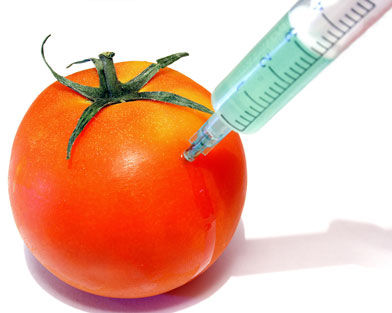
Genetic engineering has failed to increase the yield of any food crop but has vastly increased the use of chemicals and the growth of "superweeds", according to a report by 20 Indian, south-east Asian, African and Latin American food and conservation groups representing millions of people.
The so-called miracle crops, which were first sold in the US about 20 years ago and which are now grown in 29 countries on about 1.5bn hectares (3.7bn acres) of land, have been billed as potential solutions to food crises, climate change and soil erosion, but the assessment finds that they have not lived up to their promises.
The report claims that hunger has reached "epic proportions" since the technology was developed. Besides this, only two GM "traits" have been developed on any significant scale, despite investments of tens of billions of dollars, and benefits such as drought resistance and salt tolerance have yet to materialise on any scale.
Most worrisome, say the authors of the Global Citizens' Report on the State of GMOs, is the greatly increased use of synthetic chemicals, used to control pests despite biotech companies' justification that GM-engineered crops would reduce insecticide use.


















Comment: Studies all point in the direction that that canola oil is definitely not healthy for the cardiovascular system. Like rapeseed oil, its predecessor, canola oil is associated with fibrotic lesions of the heart. It also causes vitamin E deficiency, undesirable changes in the blood platelets, and shortened life-span in stoke-prone rats when it was the only oil in the animals' diet. Furthermore, it seems to retard growth which is why the FDA does not allow the use of canola oil in infant formula.
Canola Oil - Is This Health Food Imposter In Your Pantry?
GMO Scandal: The Long Term Effects of Genetically Modified Food in Humans
7 Foods Experts Won't Eat