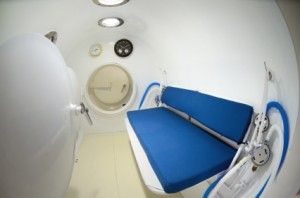
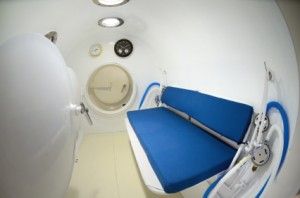
With so many conditions that HBOT can treat effectively, why in the world should we keep people sick or in pain when we have the means to ease and even reverse their condition? And why is FDA issuing warnings to consumers to keep them from pursuing such a vital therapy?
The agency has just issued a warning to consumers. As is so often the case,
what they don't tell you is more important than what they do tell you.The agency's warning begins, "No, hyperbaric oxygen therapy (HBOT) has not been clinically proven to cure or be effective in the treatment of cancer, autism, or diabetes. But do a quick search on the Internet, and you'll see all kinds of claims for these and other diseases for which the device has not been cleared or approved by FDA."
HBOT is
approved to treat thirteen conditions: decompression sickness, thermal burns, non-healing wounds, necrotizing soft tissue infections (a.k.a. flesh-eating bacterial disease), acute traumatic ischemias (e.g., crush injury, compartment syndrome), radiation tissue damage, smoke inhalation and carbon monoxide poisoning, air or gas embolism, severe blood loss anemia, refractory osteomyelitis, compromised skin grafts, and clostridial myonecrosis (gangrene).
There are, however, many other conditions that HBOT appears to treat effectively, based on solid or promising research. Licensed physicians and healthcare institutions may legally use an FDA-cleared hyperbaric chamber to treat unapproved or "off-label" diseases and conditions, though it is illegal to promote or advertise such uses. A few doctors are already using HBOT off-label, but not nearly enough of them. Here are some of the off-label applications:
This isn't even true. The DoD often uses antipsychotic drugs off-label to treat TBI and PTSD. About
20% of veterans diagnosed with PTSD - or nearly 87,000 patients - are prescribed an antipsychotic each year even though it is an off-label use.
In total, including prescriptions outside the military,
nearly 280,000 individuals received antipsychotic medications in 2007.
Yet over 60% of them had no record of a diagnosis for which these drugs are approved. Antipsychotic drugs were prescribed off-label for PTSD (42% of the patients), minor depression (40%), major depression (23%), and anxiety disorder (20%) - with about 20% having more than one condition.







Comment: For more information, see our forum discussion "Life Without Bread"