Health & WellnessS


Arrow Down

Most holy water is contaminated with faecal matter, study finds

Holy Water
© Getty ImagesA holy water font is shown in the baptism area of a church.

Despite its purported cleansing properties, holy water could actually be more harmful than healing, according to a new Austrian study on "holy" springs.

Researchers at the Institute of Hygiene and Applied Immunology at the Medical University of Vienna tested water from 21 springs in Austria and 18 fonts in Vienna and found samples contained up to 62 million bacteria per milliliter of water, none of it safe to drink.

Tests indicated 86 percent of the holy water, commonly used in baptism ceremonies and to wet congregants' lips, was infected with common bacteria found in fecal matter such as E. coli, enterococci and Campylobacter, which can lead to diarrhea, cramping, abdominal pain, and fever.

Nitrates, commonly found in fertilizer from farms, were also identified in the water. If ingested, water containing nitrates over the maximum contaminant level could cause serious illness, especially in infants younger than 6 months, which could lead to death if untreated, according to the U.S. Environmental Protection Agency.


Water

Energy drink studies may be clouded by industry ties

Energy And Alcoholic Drinks
© ShutterstockStudies of drinking alcohol together with energy drinks may not accurately state the health risks of the beverage combination, one researcher says.
The involvement of energy drink companies in research into their products has prevented clear answers about the risks these drinks may pose, argues a new editorial in a prominent medical journal.

In the pages of the journal BMJ, a researcher raised concerns about the role of energy drink makers, specifically Red Bull, in the design and interpretation of research into the safety of these drinks. The studies have investigated whether energy drinks worsen the harms from alcohol consumption when the two beverages are taken together.

"The public needs to be critical consumers of research, especially research that is funded or quoted by parties with vested interests," Dr. Peter Miller, associate professor of psychology at Deakin University in Australia and author of the editorial, told LiveScience.

"We still don't know if energy drinks cause harm, and the current experimental evidence is unable to explain the worrying epidemiological findings we have."

Research has shown that people who consume energy drinks and alcohol together tend to have higher blood alcohol levels than people who drink only alcohol, Miller said. And that has lead to concerns that energy drinks may encourage higher levels of alcohol consumption.

Health

Deadly brain-eating amoeba found in Louisiana parish's water supply


Tests of a Louisiana parish's water supply confirmed the presence of a rare amoeba blamed for last month's death of a 4-year-old boy.

The state's Department of Health & Hospitals said Thursday the Naegleria fowleri amoeba, which causes a generally fatal brain infection, was found in tests of St. Bernard Parish water conducted by the federal Centers for Disease Control.

The water is safe to drink, state officials said, although they continued to caution against getting water in the nose, the route the amoeba takes.

Attention

Still Flying over the Cuckoo's Nest - The "resurgence" of electroshock

Modifications to electroshock "treatment" don't make it safe or effective.

Image
“Abundant scientific evidence that the procedure actually produces closed-head brain injury and even death.”
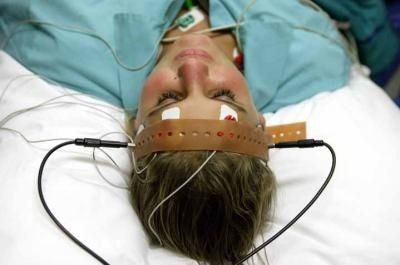
Recent news articles suggest that today's electroshock (ECT) "treatment" is safe - a few hundred jolts of electricity to the brain and life is beautiful for a time.

This couldn't be further from the truth. In fact, there is abundant scientific evidence that the procedure actually produces closed-head brain injury and even death.

One recent "pro ECT" article in the Fort Myers, Fla., News-Press titled "Electro-shock Therapy Sees a Resurgence" quotes Dr. Ivan Mazzorana of the Park Royal Hospital explaining that "it's a very simple procedure, safer and it's a lot quicker than the medication."

Dr. Mazzorana apparently is referring to the version of electroshock used today compared to the visually, and morally, appalling method first used by psychiatrists, where electric current was induced directly to the frontal lobes of the brain, causing a grand mal seizure, which presumably would jump start the alleged psychiatrically disordered brain.

Health

Why most calcium supplement recommendations are dead wrong

Image
Calcium supplementation increases the risk of heart attack and stroke.
An alarming new meta-analysis published in the journal Nutrients titled, "Cardiovascular Effects of Calcium Supplements," brings to the forefront the serious though mainly downplayed health risks associated with calcium supplementation, concluding they increase the risk of heart attack by 27%-31% and the risk of stroke by 12%-20%.[1]

The study based its findings on randomized, placebo-controlled trials, and did not find a lessening of the observed adverse effects with the co-administration of vitamin D. The study noted that the increased cardiovascular risk associated with calcium supplements is consistent with previous epidemiological observations that higher circulating calcium concentrations are linked with cardiovascular disease in normal populations. They postulated that, "There are several possible pathophysiological mechanisms for these effects, including effects on vascular calcification, vascular cells, blood coagulation and calcium-sensing receptors." They concluded that, "[T]he non-skeletal risks of calcium supplements appear to outweigh any skeletal benefits."

The entire study can be viewed on PubMed Central, the free digital database of full-text scientific literature in biomedical and life sciences.

In past articles, we delved deeply into the cardiotoxicity of the limestone-, bone meal- or oyster shell-based calcium supplements that dominate the mainstream marketplace,[2] [3]and also the fatally flawed bone mineral density (BMD) guidelines set forth by the World Health Organization in the mid-90's, which essentially reclassified aging as a disease by using the bones of a young adult (25 year old) at peak bone mass as the standard of normality for older women of all ages (i.e. the T-score). As a result of these guidelines, millions of asymptomatic women were suddenly told they had a new 'bone disease' called osteoporosis, and millions more were told they had 'pre-osteoporosis' or 'osteopenia,' an entirely nonsensical disease classification, arbitrarily conceived, and with no basis in biological or physiological fact. [read more: Osteoporosis Myth: The Dangers of High Bone Mineral Density]

Comment: For a better option on how to strengthen your health and bones, see our forum discussion "Life Without Bread". Any food that is high in sugar or anti-nutrients will not benefit you in the long run.


Pills

Honey, they shrunk my brain - Study confirms antipsychotics decrease brain tissue

Image
"The use of antipsychotic drugs long has been referred to as a 'chemical lobotomy' because they actually can disable normal brain function. Along with brain shrinkage, antipsychotics also can cause obesity, high blood pressure, high cholesterol and diabetes."
Antipsychotic drugs cause brain shrinkage. This is the conclusion of yet another study, considered the largest longitudinal brain-scan data set ever compiled, documenting the adverse effects of antipsychotic drugs on brain tissue.

According to the study's author, University of Iowa professor, Nancy Andreasen, Ph.D., "the higher the antipsychotic medication doses, the greater the loss of brain tissue." Andreasen further explained that "antipsychotic treatment has a negative impact on the brain, so...we must get the word out that they should be used with great care, because even though they have fewer side effects than some of the other medications, they are certainly not trouble free and can have lifelong consequences for the health and happiness of the people we serve."

Andreasen found the results "very upsetting." With more than six million people, including nearly one million children, (28,000 of them under the age of five), taking Antipsychotics, it's understandable why the author of the study found the new data "upsetting."

Pills

Warning: Psychiatric drug withdrawal effects can persist months, even years after stopping them

Image
Anxiety, disturbed mood, depression, mood swings, emotional liability, persistent insomnia, irritability, poor stress tolerance, impaired concentration and impaired memory are the more frequent postwithdrawal symptoms.
Many people who have taken psychiatric drugs have found out the withdrawal effects of the drugs can persist for months, even years after they stop taking them. Patient's are frequently not warned about this, and are often told that it is simply symptoms of their 'mental disorder' returning - yet studies confirm that after patient's stop taking certain psychiatric drugs, the withdrawal effects may last several months to years afterwards. Please note that no one should attempt to withdrawal from psychiatric drugs (Antidepressants, Antipsychotics, Anti-anxiety drugs and ADHD drugs) without a doctor's supervision.

Psychotherapy and Psychosomatics Journal published a study in October 2012 about persistent withdrawal effects six weeks after cessation of taking SSRI antidepressants. Researchers reviewed self-reporting adverse events between February 2010 and September 2010 and found post-withdrawal symptoms "may last several months to years." Reported symptoms included disturbed mood, emotional liability, irritability, and poor stress tolerance.

"We note in table 1, persistent postwithdrawal disorders, which occur after 6 weeks of drug withdrawal, rarely disappear spontaneously, and are sufficiently severe and disabling to have patients returned to previous drug treatment. When their drug treatment is not restarted, postwithdrawal disorders may last several months to years. Significant persistent postwithdrawal emergent symptoms noted consist ofanxiety disorders, including generalized anxiety and panic attacks, tardive [developing slowly] insomnia, and depressive disorders including major depression and bipolar illness. Anxiety, disturbed mood, depression, mood swings, emotional liability, persistent insomnia, irritability, poor stress tolerance, impaired concentration and impaired memory are the more frequent postwithdrawal symptoms reported online."

Bulb

Brain atrophy linked with cognitive decline in diabetes

New research has shown that cognitive decline in people with Type 2 Diabetes is likely due to brain atrophy, or shrinkage, that resembles patterns seen in the early stages of Alzheimer's disease.

Dr Chris Moran and Associate Professor Velandai Srikanth of Monash University led the first large-scale study to compare brain scans and cognitive function between people with and without Type 2 Diabetes Mellitus (T2DM). They found that brain atrophy, rather than cerebrovascular lesions, was likely the primary reason for cognitive impairment associated with T2DM.

The World Health Organisation reports that more that more than 347 million people worldwide live with diabetes and around 90 per cent of these cases are Type 2.

Associate Professor Velandai Srikanth of Monash University's Department of Medicine said the findings had important implications for Australia's ageing population.

Magic Wand

Cilantro, that favorite salsa ingredient, purifies drinking water

Hints that a favorite ingredient in Mexican, Southeast Asian and other spicy cuisine may be an inexpensive new way of purifying drinking water are on the menu today at the 246th National Meeting & Exposition of the American Chemical Society, the world's largest scientific society.

The meeting, which began Sunday and ends today, included almost 7,000 reports on new discoveries in science and other topics.

Reporting on research done by undergraduate students at a community college, Douglas Schauer, Ph.D., said that cilantro - also known as coriander and Thai parsley - shows promise as a much-needed new "biosorbent" for removing lead and other potentially toxic heavy metals from contaminated water.

"Cilantro may seem too pricey for use in decontaminating large amounts of water for drinking and cooking," Schauer said. "However, cilantro grows wild in vast amounts in countries that have problems with heavy-metal water pollution. It is readily available, inexpensive and shows promise in removing certain metals, such as lead, copper and mercury, that can be harmful to human health."

Arrow Up

Codeine could increase users' sensitivity to pain

Using large and frequent doses of the pain-killer codeine may actually produce heightened sensitivity to pain, without the same level of relief offered by morphine, according to new research from the University of Adelaide.

Researchers in the Discipline of Pharmacology have conducted what is believed to be the world's first experimental study comparing the pain relieving and pain worsening effects of both codeine and morphine.

The University's Professor Paul Rolan, who is also a headache specialist at the Royal Adelaide Hospital, says codeine has been widely used as pain relief for more than 100 years but its effectiveness has not been tested in this way before.

"In the clinical setting, patients have complained that their headaches became worse after using regular codeine, not better," Professor Rolan says.

"Codeine use is not controlled in the same way as morphine, and as it is the most widely used strong pain reliever medication in the world, we thought it was about time we looked into how effective it really is."