Health & WellnessS


Cow Skull

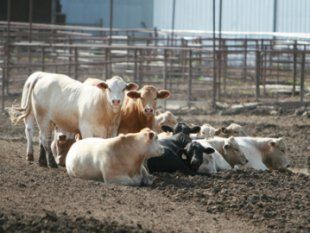
How factory farms may be killing us

Image
© Michael Zysman
A report from the CDC reveals the grave dangers of antibiotic resistance and says factory-farmed animals are a big contributor.

What would our healthcare system look like if we couldn't perform surgeries, administer chemotherapy, replace joints, treat diabetes? It would be the end of modern medicine as we know it. A new report from the Centers for Disease Control warns we could be headed toward that very future.

Antibiotics revolutionized medicine in the 1940s, saving millions of lives over the last 70 years. But during that time bacteria have evolved to become resistant to certain antibiotics. The more antibiotics we use, the quicker resistance builds up. This has deadly repercussions.


In the report, Antibiotic Resistance Threats in the United States, 2013, the CDC estimates (conservatively) that 2 million people in the U.S. get antibiotic-resistant infections, and 23,000 die from them every year.

In addition to the loss of life, it's also costly.

Comment: Read the following articles for a more in depth look at the problem with Factory Farms:

Why Factory Farms Threaten Your Health
Factory Farms Make You Sick. Let Us Count the Ways
Farmacology: Antibiotics resistance generated at factory farms
The FDA Finally Reveals How Many Antibiotics Factory Farms Use
As MRSA Gets Worse, the FDA Discovers Antibiotic Abuse on Factory Farms
How Factory Farms Are Pumping Americans Full of Deadly Bacteria and Pathogens

And... if your thinking about sharing/researching information about factory farms watch out:

FBI Says Activists Who Investigate Factory Farms Can Be Prosecuted as Terrorists


Attention

EPA okays BPA, rejects public's 'Right-To-Know'

Image
Among several "chemicals of concern" recently removed from a list of proposed regulations by the Environmental Protection Agency, Bisphenol A, a neurotoxin and endocrine disruptor that also damages DNA, has been banned in several other nations and in eleven US states.

BPA is used in making plastics from bottles to food packaging, and in thermal receipt paper. It's found on paper money, and in epoxy resin used in food cans and textiles. Though BPA penetrates nearly half of all food stuffs, several more toxic bisphenols, like BPS, reports GreenMedInfo, also invade the food supply.

BPA has been linked to Type II diabetes, premenopausal breast cancer, abnormal heart rhythm, and lowered thyroid hormones in boys. Not only is BPA linked to obesity, but prenatal exposure tends to feminize boys and masculinize girls. Truly, the list goes on.

Belgium, Austria, Denmark and France currently restrict BPA in foodstuffs and/or infant products, as does Turkey, Japan, China and the UAE. Canada, meanwhile, has reversed itself twice. In 2008, Health Canada didn't see a problem with BPA; in 2010 it did, and then in 2012 it decided BPA is okay after all.

Stock Up

Onion prices give Indian governor reason to cry

br onion
© Unknown
Mumbai - The aroma of frying onions from the Britannia restaurant in Mumbai may not penetrate the office of India's new central bank governor, Raghuram Rajan, a block away, but like the eatery's customers, he cannot escape the soaring price of the pungent vegetable.

The price of onions has added to Rajan's already full plate as the new head of the Reserve Bank of India wrestles over how to help stabilise the rupee exchange rate and tackle inflation without further dampening economic growth.

A former International Monetary Fund chief economist, Rajan took over at the central bank on September 4 in the middle of India's worst economic crisis in 20 years. He will announce his first monetary policy review today.

The US Federal Reserve's surprise decision on Wednesday not to wind down its massive monetary stimulus just yet helped the rupee to a one-month high yesterday, so inflation may have now moved up on his list of priorities.

Last month the cost of onions was 245 percent higher than a year earlier, while other vegetables shot up 77 percent, driving headline inflation to a six-month high. Onion prices have risen further this month, prompting the government to take steps to limit exports.

Cow

Global food crisis set to send prices of household staples soaring over next five years

A GLOBAL food crisis will see the cost of household staples rocket by almost a fifth in five years, economists warned yesterday.

Image
Food shopping bills are already soaring and are said to treble in the next 20 years (POSED BY MODEL)
Growing demand for essentials like meat and grain, topsy-turvy weather and land commandeered for the production of biofuels will add at least £850 to typical annual food spending, they claimed.

Retail analysts at research agency Conlumino said food price inflation would add almost £20billion to the nation's annual grocery bill by 2018, a rise of almost 18 per cent.

Experts calculated the increases would add £1.50 to a 2lb joint of roasting beef, 25p to a loaf of Hovis sliced bread and almost 10p to a pint of milk at Asda.

The bleak outlook could only be reversed, experts said, by setting aside more land on which cattle can be reared and grain harvested.

On average, households spend almost £5,000 a year on groceries.

Neil Saunders, of Conlumino, said: "These figures will shock hard-working households because everyone has to eat to live and it's jolly hard to economise on the basics.

"The foods we are talking about here are essentials, it's not discretionary spending.

"This is a global problem, it's not one unique to Britain.

"Salaries look like they are going to be eaten up by the increase in food prices.

"The only consolation is that over the longer period households might see their disposable income increase.

Pills

When it comes to Anti-depressants, it appears profit, not benefits, outweigh the risks

Image
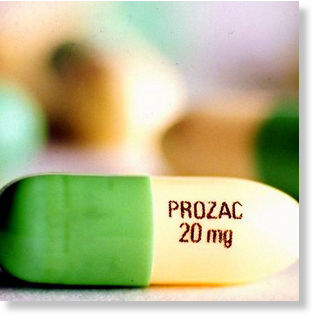
“Worldwide – including the UK – there have been 99 drug regulatory agency warnings that anti-depressants cause side effects. Of those warnings, 35 concerned suicide, suicide risk and suicide attempts.”

The debate surrounding anti-depressant drugs goes on.

While we can have our own thoughts on the subject, it is quite extraordinary that drug regulators in the UK and around the world have to issue warnings for these drugs relating to their dangerous effects, specifically warnings about suicidal thoughts and behaviour.

Worldwide - including the UK - there have been 99 drug regulatory agency warnings that anti-depressants cause dangerous and even lethal side effects.

Of those warnings, 35 concerned suicide, suicide risk and suicide attempts, 8 are on self-harm, 4 cite side effects of mania/psychosis, and the list goes on...

There have also been 119 studies in 12 countries on anti-depressant-induced side effects. Of those studies, 23 of them concerned anti-depressants causing the same issues regarding suicide.

While we might hope for an altruistic purpose in the manufacture of these drugs, there is an inescapable factor that gives pharmaceutical companies an extra production impetus. That factor is profit.

Since 2000, £3.9 billion was spent on anti-depressants in England alone.

Arrow Down

Statins increase risk of cataracts, study finds

statins
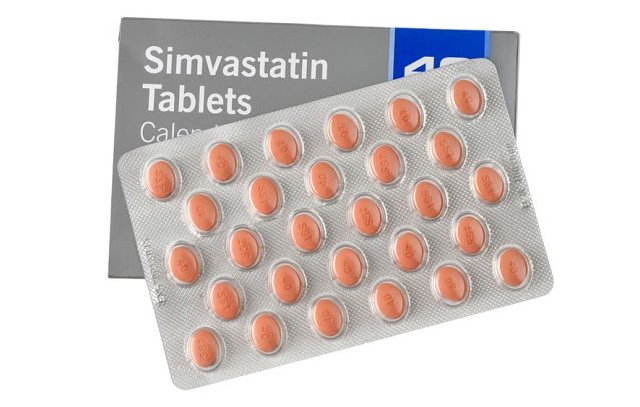
Those taking the low-cost medication could be 27 per cent more likely to develop the condition, which leads to cloudy lenses, the researchers discovered.

Older people are particularly vulnerable as they make up the majority of statin users and cataract patients, the Daily Mail reported.

The medical records of more than 14,000 people, covering a period of more than eight years, were examined by researchers in the US.

Half of the patients had used statins for at least three months and the other half had never taken the drug.

Those who took statins had a 27 per cent increased risk of developing cataracts, which require surgery to prevent blindness, even when other factor such as high blood pressure were accounted for.

The researchers believe that one explanation could be that cholesterol is necessary to maintain healthy cells in the eye and the transparency of the lens.

The authors of the study, published in journal JAMA Ophthalmology, concluded: "The risk for cataract is increased among statin users as compared with non-users. The risk-benefit ratio of statin use, specifically for primary prevention, should be carefully weighed, and further studies are warranted."

Arrow Down

Unsafe medical care accounts for 43 million injuries annually

Medical Errors
© Thinkstock
While modern medical care can easily be credited with saving countless lives, over 43 million people worldwide are injured annually due to unsafe medical care, resulting in the loss of almost 23 million years of "healthy" life - according to a new study in BMJ Quality and Safety.

The new report was written by a team that included researchers from the World Health Organization (WHO) and the Harvard School of Public Health (HSPH) in Boston. It is based on a research review of over 4,000 articles that have been published over the past few decades.

"Though suffering related to the lack of access to care in many countries remains, these findings suggest the importance of critically evaluating the quality and safety of the care provided once a person accesses health services," the authors wrote.

"When patients are sick, they should not be further harmed by unsafe care," they added. "This should be a major policy emphasis for all nations."

"This is the first attempt to quantify the human suffering that results from unsafe care," noted study author Ashish Jha, professor of health policy and management at HSPH. "We find that millions of people around the world are hurt, disabled, and sometimes even die as a result of medical errors."

Info

Auto-Brewery Syndrome: Apparently, you can make beer in your gut

Beer in Gut
© Morgan Walker/NPRMost of us prefer drinking fermented beverages,€” not producing them in our gut.
This medical case may give a whole new meaning to the phrase "beer gut."

A 61-year-old man - with a history of home-brewing - stumbled into a Texas emergency room complaining of dizziness. Nurses ran a Breathalyzer test. And sure enough, the man's blood alcohol concentration was a whopping 0.37 percent, or almost five times the legal limit for driving in Texas.

There was just one hitch: The man said that he hadn't touched a drop of alcohol that day.

"He would get drunk out of the blue - on a Sunday morning after being at church, or really, just anytime," says , the dean of nursing at Panola College in Carthage, Texas. "His wife was so dismayed about it that she even bought a Breathalyzer."

Other medical professionals chalked up the man's problem to "closet drinking." But Cordell and Dr. Justin McCarthy, a gastroenterologist in Lubbock, wanted to figure out what was really going on.

So the team searched the man's belongings for liquor and then isolated him in a hospital room for 24 hours. Throughout the day, he ate carbohydrate-rich foods, and the doctors periodically checked his blood for alcohol. At one point, it rose 0.12 percent.

Eventually, McCarthy and Cordell pinpointed the culprit: an overabundance of brewer's yeast in his gut.

Black Cat 2

Toxoplasma infection permanently shifts balance in cat-and-mouse game

Toxoplasma
© Wendy IngramInfection with toxoplasma makes mice lose their fear of cats, which in most cases is bad news for the mice.
Berkeley - The toxoplasma parasite can be deadly, causing spontaneous abortion in pregnant women or killing immune-compromised patients, but it has even stranger effects in mice.

Infected mice lose their fear of cats, which is good for both cats and the parasite, because the cat gets an easy meal and the parasite gets into the cat's intestinal tract, the only place it can sexually reproduce and continue its cycle of infection.

New research by graduate student Wendy Ingram at the University of California, Berkeley, reveals a scary twist to this scenario: the parasite's effect seem to be permanent.

The fearless behavior in mice persists long after the mouse recovers from the flu-like symptoms of toxoplasmosis, and for months after the parasitic infection is cleared from the body, according to research published today (Sept. 18) in the journal PLoS ONE.

"Even when the parasite is cleared and it's no longer in the brains of the animals, some kind of permanent long-term behavior change has occurred, even though we don't know what the actual mechanism is," Ingram said.

She speculated that the parasite could damage the smell center of the brain so that the odor of cat urine can't be detected. The parasite could also directly alter neurons involved in memory and learning, or it could trigger a damaging host response, as in many human autoimmune diseases.

Question

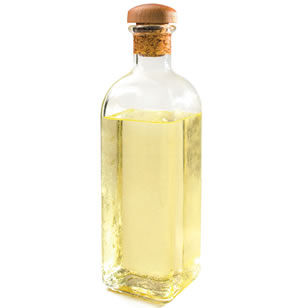
Organic canola oil; Is that an oxymoron?

Image
© eatingwell.com
First of all, if canola oil is processed from rapeseed oil, which is highly toxic to humans, can canola legitimately be labeled "organic," just because the farmers aren't using pesticides or chemical fertilizers? Let's go back to the drawing board on this one and figure this out before we all consume a boatload more of "organic canola," thinking the coast is clear. The organic farming movement arose in the 1940's in response to the industrialization of agriculture. Seventy years later, there are strict regulations and vigorous inspections to make sure anything carrying the USDA organic seal is legitimately organic. Organic food also means that there is no irradiation, no synthetic inputs and absolutely no GMOs (genetically modified organisms) or chemical additives. Though organic food is safer and healthier than conventional food, no companies can make that claim, so how does canola fly under the radar and gain that organic seal when it comes from rapeseed? Did you know that bio-diesel is also derived from rapeseed? Rape is actually a weed and even insects won't eat it, so why are millions of people eating canola every day whether it's organic or not? Is "organic canola" really inorganic? Let's figure this whole thing out.