Health & WellnessS


Family

Kim Kardashian's baby North revives swaddling debate

Image
© Dorling Kindersley/Getty Images
To swaddle or not to swaddle, that is the question parents are asking all across America ever since a photo of Kim Kardashian and Kanye West's baby North wrapped in swaddling clothes was posted on Instagram last week.

The debate for and against restraining a young child's arms with swaddling blankets has become a top topic on mom blogs and community boards.

"It is true that swaddling has become a new controversy in the parenting world," said Brandi Jordan, a board certified lactation consultant, pediatric sleep specialist and owner of the Cradle Company Parenting Center and Boutique in Los Angeles.

"However, I believe the points being debated are the wrong ones," said Jordan. "The focus is on whether or not you should swaddle, and it really should be when to swaddle."

Jordan said that newborns find comfort in the tight wrappings, as swaddling mimics the "snug environment babies experience for nine months in their mother's womb."

Mr. Potato

US adults are dumber than the average human

Dumb
© Shutterstock
It's long been known that America's school kids haven't measured well compared with international peers. Now, there's a new twist: Adults don't either.

In math, reading and problem-solving using technology - all skills considered critical for global competitiveness and economic strength - American adults scored below the international average on a global test, according to results released Tuesday.

Adults in Japan, Canada, Australia, Finland and multiple other countries scored significantly higher than the United States in all three areas on the test. Beyond basic reading and math, respondents were tested on activities such as calculating mileage reimbursement due to a salesman, sorting email and comparing food expiration dates on grocery store tags.

Pills

Faeces-filled pill stops gut infection

Treatment halts recurrence of Clostridium difficile bacteria, but a commercial pill is still far off.

Image
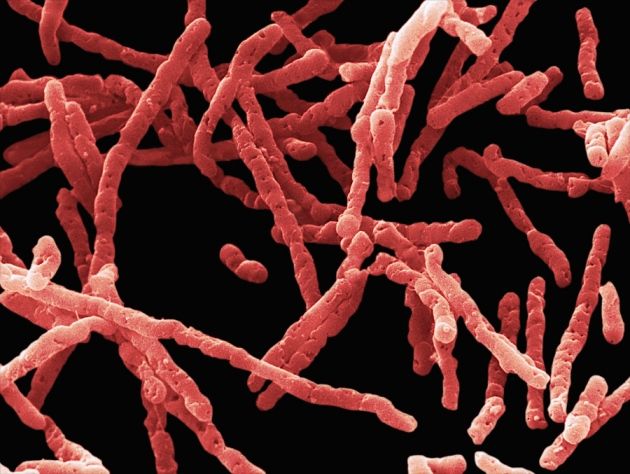
© David Phillips/Visuals Unlimited/CorbisClostridium difficile bacteria sickens roughly a half million people in the United States each year.
Patients with a stubborn, debilitating bacterial infection may soon be treated with pills full of microbes derived from human faeces.

Clostridium difficile is a bacterial infection that causes diarrhoea and fever in around half a million people in the United States each year, and is linked to the death of some 14,000 US citizens annually. Some physicians now treat recurrent C. difficile infections with faecal transplants, delivering donor faeces filled with healthy microbes via enemas, colonoscopies or nasal tubes that run directly to the gut.

But capsules containing the same donor bacteria are also effective at giving these 'gut microbiome transplants', according to results presented on 3 October at a meeting in San Francisco, California.

Thomas Louie, an infectious-disease specialist at the University of Calgary in Alberta, Canada, treated 31 patients with the bacterial pills, curing all but one. Because the pills are less invasive than other techniques for treating the disease, they could make gut microbiome transplants available to more patients - including those who, for medical reasons, cannot tolerate an enema or tube from the nose to the small intestine. Louie had initially created the capsules when treating such a patient.

Health

GMO's & Neurological Disease: ADHD, Autism, Alzheimer's, Schizophrenia, Bipolar

The endocrine disrupting properties of glyphosate can lead to neurological disorders (learning disabilities (LD), attention deficit hyperactive disorder (ADHD), autism, dementia, Alzheimer's, schizophrenia and bipolar disorder). Those most susceptible are children and the elderly.
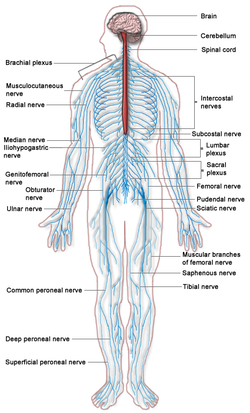
The Human Nervous System
© UnkownThe Human Nervous System
Glyphosate was first marketed in 1976 and its use has exploded since the advent of glyphosateresistant, genetically engineered (GE) crops in 1995. The herbicide-resistant GE crops absorb glyphosate through direct application and from the soil and it cannot be washed off. It is in the food. Glyphosate has also been found in rivers, streams, air and rain.

The thyroid is an endocrine organ that secretes the thyroid hormone. Thyroid dysfunction has been identified with mood disorders. Depression is frequently associated with low levels of thyroid hormone (hypothyroidism), while mood elevation is often associated with high levels of thyroid hormone (hyperthyroidism). An endocrine disrupting chemical (EDC) can cause erratic behavior. Recent studies have shown links between food additives and neurotoxicity in cells and hyperactive behavior in children. Incidents have been reported of laboratory rats and farm animals exhibiting uncharacteristic aggressive and anti-social behavior on being fed a diet consisting of GMO soy or corn.

Many scientific studies have shown links between thyroid disruption and neurological diseases. "Thyroid hormones are critical for development of the fetal and neonatal brain, as well as for many other aspects of pregnancy and fetal growth. Hypothyroidism in either the mother or fetus frequently results in fetal disease; in humans, this includes a high incidence of mental retardation. ... numerous studies with rats, sheep and humans have reinforced this concept..." According to de Cock et al, "Perinatal exposure to EDCs appears to be associated with the occurrence of ASD [autism spectrum disorder] as well as ADHD. Disruption of thyroid hormone function ... may offer an explanation for the observed relations...." MacSweeney et al. report, "that the mothers of 104 schizophrenic patients had: (1) a significantly higher incidence of thyroid disease than a carefully matched control group; (2) significantly more abortions, still-births and greater infant mortality. The findings and possible relevance of thyroid disease to schizophrenia are discussed." Strong correlation was shown between cancer of the thyroid and glyphosate use on corn and soy crops and that thyroid cancer affects women more than men. It seems that women are more sensitive to thyroid disruption.


Camcorder

Rare Interview: Wendell Berry on his hopes for humanity


Wendell Berry, a quiet and humble man, has become an outspoken advocate for revolution. He urges immediate action as he mourns how America has turned its back on the land and rejected Jeffersonian principles of respect for the environment and sustainable agriculture. Berry warns, "People who own the world outright for profit will have to be stopped; by influence, by power, by us." In a rare television interview, this visionary, author, and farmer discusses a sensible, but no-compromise plan to save the Earth.

Red Flag

Report: Chicken nuggets not just "meat" but blood vessels, nerve cells

Image
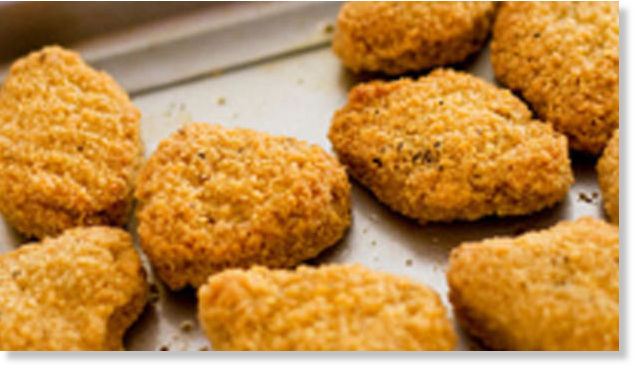
Scientists took a close look at the chicken nugget and discovered what some may have suspected: it's not full of what we might think of as meat.

A study published online in September in the American Journal of Medicine -- cleverly titled "The Autopsy of Chicken Nuggets Reads 'Chicken Little'" - revealed that two nuggets from fast food chains in Jackson, Miss. contained only about half of what we would consider chicken meat.

"We all know white chicken meat to be one of the best sources of lean protein available and encourage our patients to eat it," lead author Dr. Richard D. deShazo of the University of Mississippi Medical Center in Jackson, said to Reuters. "What has happened is that some companies have chosen to use an artificial mixture of chicken parts rather than low-fat chicken white meat, batter it up and fry it and still call it chicken."

For the research, nuggets were preserved, dissected and stained before they were examined under a microscope.

Nugget number one was about 50 percent muscle tissue such as from the breast or thigh, which is what most people think of when they think of chicken meat. The rest of it was made from fat, blood vessels and nerves, specifically the cells that line the skin and internal organs of the chicken.

Pirates

Toxicology expert speaks out about Roundup and GMOs


Dr. Don Huber is likely the leading GMO expert in the world. He is an award-winning, internationally recognized scientist, and professor of plant pathology at Purdue University for the past 35 years.

His agriculture research is focused on the epidemiology and control of soil-borne plant pathogens, with specific emphasis on microbial ecology, cultural and biological controls, and the physiology of host-parasite relationships.

His research over the past few decades has led him to become very outspoken against genetically modified organisms (GMO) and genetically engineered (GE) foods and the use of Roundup in agriculture in general.

He's really one of the best scientists we have in the GMO movement for documenting the dangers of genetically engineered foods.
"I appreciate the opportunity to share a little bit of my research and the research of many other scientists who are expressing concern; recognizing that we've missed the boat in much of this discussion and much of the process, because it's really a food and health safety issue that we're dealing with here," he says.

Video

GMO and Pesticide: Dangerous Effects


Magnify

Contrary to industry claims GMO food survives digestion and gets into the human bloodstream

Image
© thelibertybeacon.com
We are constantly exposed to foreign DNA from various sources like benign or malicious microbes in and on our body, pollens in the inhaled air and as the largest amount with the daily food supply. DNA molecules are ubiquitous in large numbers in all raw and unprocessed food. Depending on the extent of processing, various fractions of DNA molecules of varying size may be present in the consumed product, even in processed food such as corn chips and chocolate.

Uptake and fate of foreign DNA ingested with the daily food intake in the gastrointestinal tract of mammals is not a completely understood topic. Though exogenous nucleotides are essential at least for maintaining host immunity to allergenic tissues and restoring specific immune responses to foreign antigens, the amount of DNA in food is relatively low compared to other constituents and does not have significant nutritional value, hence nutritional studies rarely deal with this issue. The final step of uptake of nucleotides in the epithelium of the gastrointestinal tract is a relatively well understood complex process. In contrast, the comprehension of the degradation process of long chains of DNA and possible uptake of larger fragments face many methodological challenges and very few studies have been conducted on the digestion of food-derived DNA within the 68 m long digestive tract of adult humans. Animal feeding studies have demonstrated that a minor amount of fragmented dietary DNA may resist the digestive process and there are sporadic reports in the literature claiming that orally administered small fragments of bacterial DNA or plant RNA can transgress the intestinal barrier, but no studies have explored the question if large DNA segments can pass from natural food intake to the circulatory system.

Bacon

Fat trims your waistline

Image
The Food Revolution in full swing:

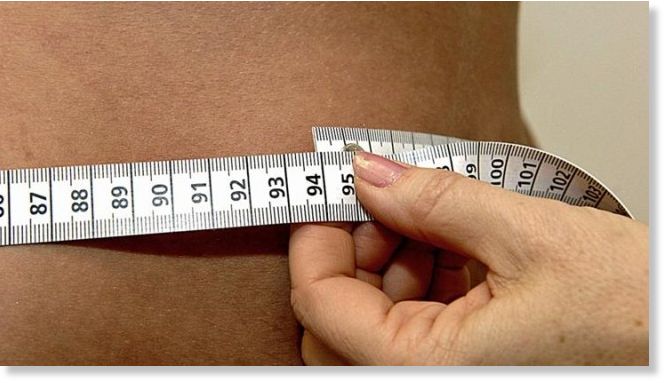
Below is an excellent article from local Swedish paper Corren about this week's SBU report showing that low-carb diets are superior for weight loss. It's particularly pleasing to see so many wise comments from Professor Fredrik Nyström, who was a member of the expert group of the SBU.
For Fredrik Nyström the report represents a victory.

- Absolutely. I've been working with this for so long. It feels great to have this scientific report, and that the skepticism towards low-carb diets among my colleagues has disappeared during the course of the work. When all recent scientific studies are lined up the result is indisputable: our deep-seated fear of fat is completely unfounded. You don't get fat from fatty foods, just as you don't get atherosclerosis from calcium or turn green from green vegetables.
The time has come for the health care system to learn how to advise patients on a low-carbohydrate diet.

Here's the full article, translated into English:

Comment: For more information check out our forum discussions "Life Without Bread" and Ketogenic Diet - Path To Transformation.

Before skipping up breakfast and reaching out for dairy products, see first Fried breakfast is healthiest start to day, say scientists and Why Milk Is So Evil.