Health & WellnessS


Top Secret

Pulling back the curtain on the organized crime ring that is the pharmaceutical drug cartel


Even though the video above is a few years old now and bigger fines of $3 billion have been assessed to GlaxoSmithKline two years ago, it is a good summary of how the drug cartels operate.

Did you know that nearly 20 percent of corporate crime is being committed by companies that make products for your health?

Sad but true, no less than 19 pharmaceutical companies made AllBusiness.com's Top 100 Corporate Criminals List for the 1990s, and the trend has continued if not increased into the 21st Century. Crimes committed by some of the most well-known drug companies include:
  • Fabricated studies
  • Covering up serious problems with their drugs
  • False claims
  • Bribery, illegal kick-backs, and defrauding Medicare, Medicaid, and even the FDA
  • Immoral threat and intimidation tactics (recall the international drug company Merck actually had a hit list of doctors to be "neutralized" or discredited for criticizing the lethally dangerous painkiller Vioxx. "We may need to seek them out and destroy them where they live," a Merck employee wrote, according to an email excerpt read in court.)


Attention

Horrifying things about the chicken you eat

Image
Many people eat only chicken to avoid the health and environmental questions surrounding red meat. Yet the track record of US chicken may be worse.

Could there be anything worse for the chicken industry than this month's outbreak of an antibiotic-resistant strain of salmonella that hospitalized 42 percent of everyone who got it - almost 300 in 18 states?

Yes. The government also announced that China has been cleared to process chickens for the US dinner plate and that all but one of arsenic compounds no one even knew they were eating have been removed from US poultry production. Thanks for that. Also this month, some food researchers have revealed the true recipe for chicken "nuggets"...just in time for Halloween.

Many people have decided to eat only chicken to avoid the health, environmental, worker and humane questions surrounding red meat. Yet the track record of US chicken in these areas is no better than red meat - and may be worse.

Here are some things you should really know about your chicken.

Pills

The pharmacist that says "no" to prescription drugs!

Image
© Andrew KornylakDr. Armon B. Neel Jr.
More than ever, doctors are prescribing medicine after medicine to treat any kind of ailment. The problem is, prescribing a drug often creates side effects that must be treated with even more medicine. This creates a cycle of medication where the costs of daily medication can sometimes go as high as several hundred dollars per day.

Not all medical professionals contribute to this trend, though. Some, like certified geriatric pharmacist Armon Neel, are standing up to the overprescribe method of treating patients and trying to reel back health care practices. A profile of Neel by the AARP describes his role well:

The way Neel sees it, pharmacists are often a patient's last line of defense in a nation of doctors who, more often than not, don't know much about the drugs they are prescribing and the geriatric population they are treating. It's his job to say "no" to drugs and cut down on the amount of prescription medications his patients take.

Over-Prescribed to Death

Americans take millions and millions of prescription medications per day. This is cost-efficient medication to grow into a billion-dollar industry. In 2010 alone, Americans spent over $300 BILLION on medication! This averages out to every American paying over $2 million per day just in meds! (Note that insurance companies and the government paid much of this bill - it's just a staggering number.) It's no wonder people like Neel say our society has become over-prescribed.

If the medications worked as intended, this approach may work. But the prescribe and go method of treating age-related problems simply doesn't work. According to Neel,

Ambulance

Why isn't my brain working

Gut Health
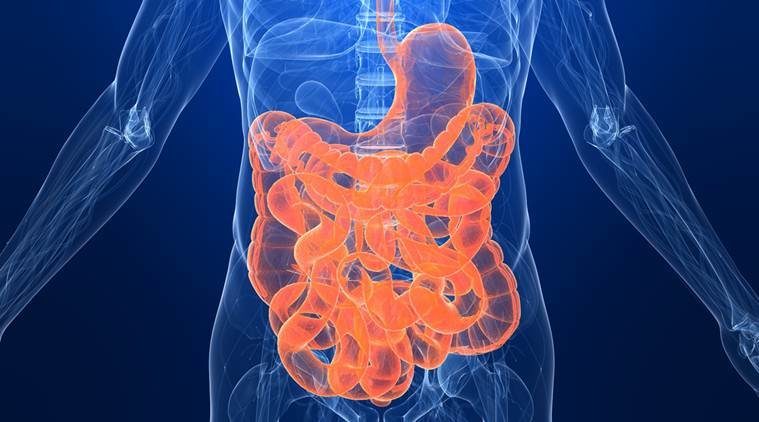
The health of the gut profoundly influences the health of the brain. Studies link gut problems with depression, mood disorders, schizophrenia, Parkinson's disease, memory loss, and brain lesions. This may come as no surprise if you have found certain foods alter your mood, personality, focus, or concentration.

Gut flora, the several pounds of bacterial organisms we carry in our intestines, affect brain chemistry and imbalances can cause depression and psychiatric disorders. Poor diets, stress, excess sugars and carbs, repeated antibiotic use, and other factors tip the balance of gut flora so that harmful bacteria outweigh the beneficial.

Intestinal permeability, or leaky gut, is a condition in which the walls of the intestine become inflamed and porous, allowing undigested food, bacteria, toxins, and other antigens into the bloodstream. This provokes the immune system and causes inflammation throughout the body. Leaky gut can also cause brain inflammation and has been linked with depression and autoimmunity.

Arrow Down

40 years of federal nutrition research fatally flawed

Image
Four decades of nutrition research funded by the Centers for Disease Control and Prevention (CDC) may be invalid because the method used to collect the data was seriously flawed, according to a new study by the Arnold School of Public Health at the University of South Carolina.

The study, led by Arnold School exercise scientist and epidemiologist Edward Archer, has demonstrated significant limitations in the measurement protocols used in the National Health and Nutrition Examination Survey (NHANES). The findings, published in PLOS ONE (The Public Library of Science), reveal that a majority of the nutrition data collected by the NHANES are not "physiologically credible," Archer said.

These results suggest that without valid population-level data, speculations regarding the role of energy intake in the rise in the prevalence of obesity are without empirical support, he said.

The NHANES is the most comprehensive compilation of data on the health of children and adults in the United States. The survey combines interviews of self-reported food and beverage consumption over 24 hours and physical examinations to assess the health and nutritional status of the US population. Conducted by the CDC and the U.S. Department of Agriculture, the NHANES is the primary source of data used by researchers studying the impact of nutrition and diet on health.

Dollars

Total corruption: Drug companies bought their way onto FDA advisory panels

Image
© healthmaven.blogspot.com
It is now an undeniable fact that the pharmaceutical industry weaseled its way onto key U.S. Food and Drug Administration (FDA) advisory panels, which were instrumental in shaping the way drugs are safety tested and approved. According to The Washington Post (WP), a recent public records request has revealed that drug companies purchased special access onto these panels, where they were given the keys to the kingdom in swaying decision-makers about official drug policy.

Based on critical information gathered from hundreds of leaked emails, pharmaceutical companies have doled out hundreds of thousands of dollars over the years to attend private meetings with the FDA, many of which were geared towards the regulation and approval of painkiller drugs. Drug companies would reportedly shell out upwards of $25,000 or more per meeting to have their voices heard, a small price to pay for direct access to the $9 billion American painkiller market.

Take 2

Interview with the lunatic farmer Joel Salatin

Image
Polyface Farmer Joel Salatin may be one of the most well-known farmers on this planet. The self-described "Christian libertarian environmentalist capitalist lunatic farmer" is famed for his counter-conventional animal husbandry wisdom, and is a prolific author who doles out scathing criticisms of Industrial factory farming methods and government involvement in food.

In this interview with the Paleo Movement Magazine, Salatin addresses every facet of his "Christian Libertarian Environmentalist Capitalist Lunatic Farmer" description - answering 22 political, personal, general, and hypothetical questions from Karen Pendergrass.

Health

Cotard's Syndrome trigger found - and it's a household cold sore cream

Cotard Syndrome
© The Independent, UK
Pharmacologists have discovered one of the mechanisms that triggers Cotard's syndrome, a condition causing people to feel as if they have died, or parts of their bodies are dead or no longer exist.

People in the grip of a Cotard's delusion can also believe they have 'lost' their blood and internal organs, such as their brain, and cannot respond to any rational reasoning with them that they are in fact alive.

Acyclovir, also known as Zovirax, is a drug commonly used to treat cold sores and the herpes virus, as well as chicken pox and shingles.

Just one per cent of people who use the drug will experience some psychiatric effects, including Cotard's.

A link between renal failure, using the drug and Cotard's has now been highlighted by pharmacologists pooling data from hospital admission records and Swedish drug databases.

In a study published in Journal of the Neurological Sciences, Swedish pharmacologists identified eight people with acyclovir-induced Cotard's from data collected.

Cookies

New Study: Oreos are just as addictive as cocaine

Image
Lab rats in an experiment derived equal pleasure from both.

While this might not be news to those of us who can't get enough of America's Favorite Cookie, science has now backed up our Oreo addiction. Students at Connecticut College conducted a study recently, and found that the attraction rats feel for Oreo cookies is equally strong as their attraction to cocaine.

Comment: Don't believe the headline? Read more about how Junk Food is as 'Addictive as Drugs':

Food Addiction And Drug Addiction: Brain Activity Shows Similarities, Study Finds
Junk Food-Addicted Rats Chose to Starve Themselves Rather than Eat Healthy Food
Junk Food Found to Deteriorate Pleasure Center of Brain
Junk Food Nearly as Addictive as Heroin
Junk food triggers our 'bliss point'
Junk Food Junkies: Dying For a Fix


Newspaper

Dangers of sleeping with your baby are wildly overstated

Image
© todaysparent.com
Headlines declare the practice risky - so why does the data say otherwise?

If you're a new parent, the news sounds suitably scary: "Despite risk, more infants sharing beds." "Despite Dangers, Bed-Sharing With Kids Is On The Rise." "Hazardous' infant bed sharing rates double." That's the takeaway from a new study published this week in the JAMA Pediatrics reveals that the percentage of infants who shared a bed with their parents or caregivers has doubled - from 7% to 14% - in the past twenty years. This, despite concerns that co-sleeping increases the risk of Sudden Infant Death Syndrome.

Comment: "Co-sleeping is routinely and safely practiced all over the world. Advocates say it facilitates easier breastfeeding, helps infants to sleep better and more deeply, and can even decrease the risk of SIDS. But it's easier to whip up a sensational headline than come to a nuanced conclusion around a hotly debated issue."

Read the following article carried on SOTT about this hotly debated issue:

Parents furious after new campaign suggests co-sleeping is as dangerous as babies sleeping with knives