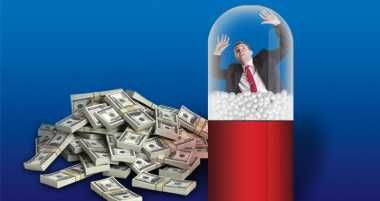
© UnknownExcessive diagnoses, over-medication, industry corruption, social stigmas, and moral decline are heavy fines the public now pays for easy access to psychiatric drugs. But research indicates long-term physical effects may present the hardest bill to pay.
Eighteen-year-old Brennan McCartney visited his doctor for a chest cold and,
despite no history of mental health issues or diagnosis of depression, received a prescription for the antidepressant Cipralex. Four days later, on November 8, 2010, he hanged himself.Dateline: Laytonsville, Maryland. A psychiatrist prescribed the antidepressant Zoloft to 12-year-old Candace Downing, who suffered anxiety related to schoolwork but was otherwise a bright child with a loving family, a wide circle of friends, and no history of depression. On January 10, 2004,
her mother found her dead, hanging from her bed valance.Dateline: Indianapolis, Indiana. To help pay her college tuition, 19-year-old Traci Johnson volunteered for a clinical trial of a new antidepressant called Cymbalta. On February 7, 2004,
she hanged herself at the Eli Lilly laboratory where the experiment was held. She was one of five participants who took their lives during clinical trials of the drug prior to its debut, though
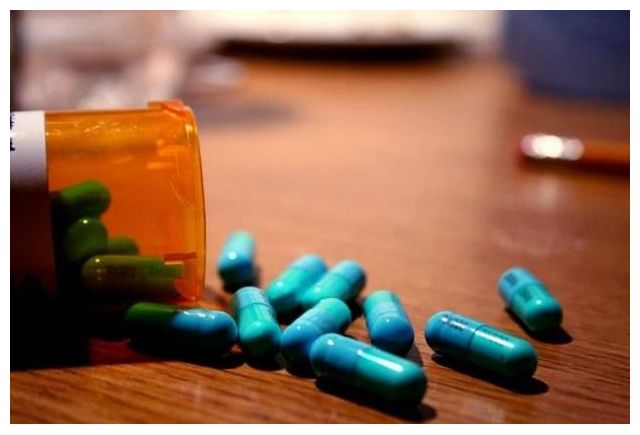
all had been pre-screened to confirm they did not have mental problems.Thousands of similar stories link suicide, self-harm, and violent behavior to psychotherapeutics, but these medicines, often referred to as blockbuster drugs because they top $1 billion in annual sales, are among the most popular in medical history. The antipsychotic Abilify is now the nation's top-selling drug. Research firm IMS Health reports sales totaled nearly $6.5 billion in 2013. The medicine involved in the clinical trial suicides recounted above, Cymbalta, is the fourth-most-prescribed drug in the United States and the fifth top seller at $5.2 billion. Vyvanse, an amphetamine used to treat childhood attention deficit hyperactivity disorder (ADHD), holds the eighth position on the list of most prescribed meds. Ninth is Lyrica, an anticonvulsant often used to treat social anxiety disorder. Number 36 is antipsychotic Seroquel, prescribed for a wide range of conditions from depression and anxiety to schizophrenia. Antidepressants are the most commonly prescribed medication class in the United States.

















Comment: The Facts, Statistics and Dangers of Soda Pop
The Real Dangers of Soda to You and Your Children
Soda Ingredients Linked to Cirrhosis and Cancer
Soft Drink Consumption May Increase Risk of Pancreatic Cancer
Study shows that soft drinks accelerate behavioral problems in children
Coca-Cola's Orange Drinks Found to Contain 300 Times More Pesticides than Legal Limit in Water