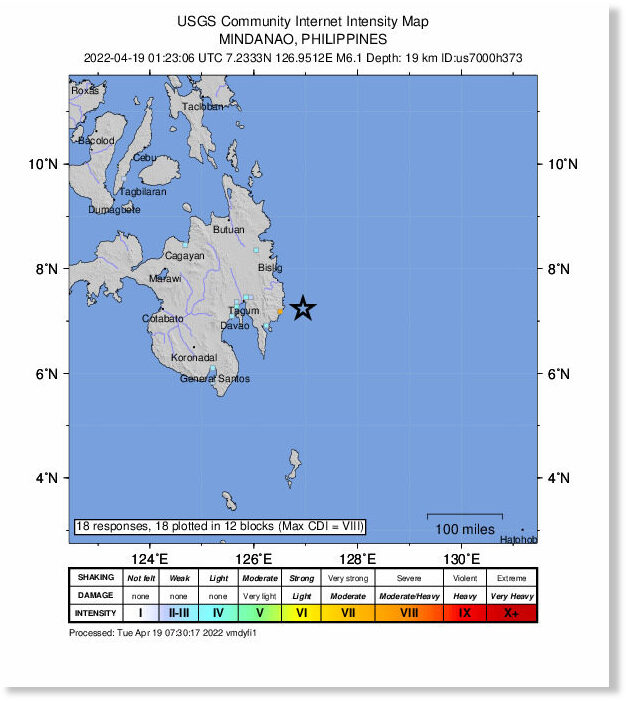
6.1 magnitude earthquake 29 km from Santiago, Davao, Philippines
UTC time: Tuesday, April 19, 2022 01:23 AM
Your time: Tuesday, April 19, 2022, 2:23 AM GMT+1
Magnitude Type: mww
USGS page: M 6.1 - 42 km E of Santiago, Philippines
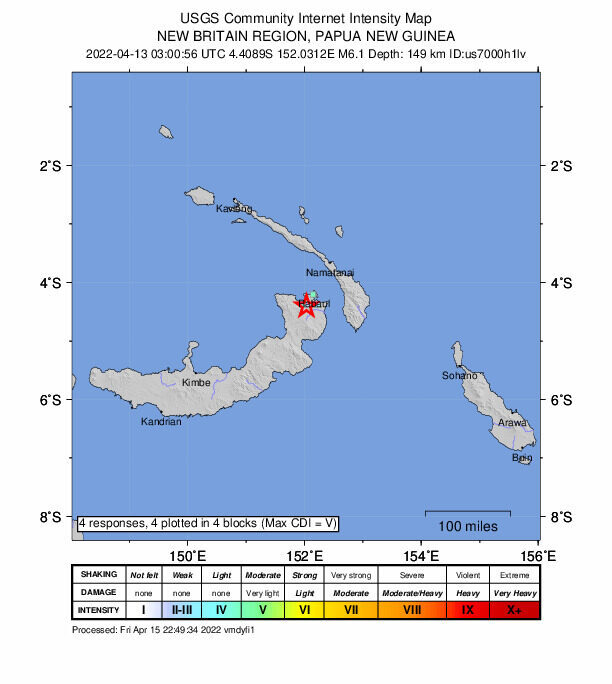
A magnitude-6.1 earthquake struck off the coast of Papua New Guinea's New Britain region on Wednesday, according to the China Earthquake Networks Center (CENC).
There are currently no reports of casualties or damage.
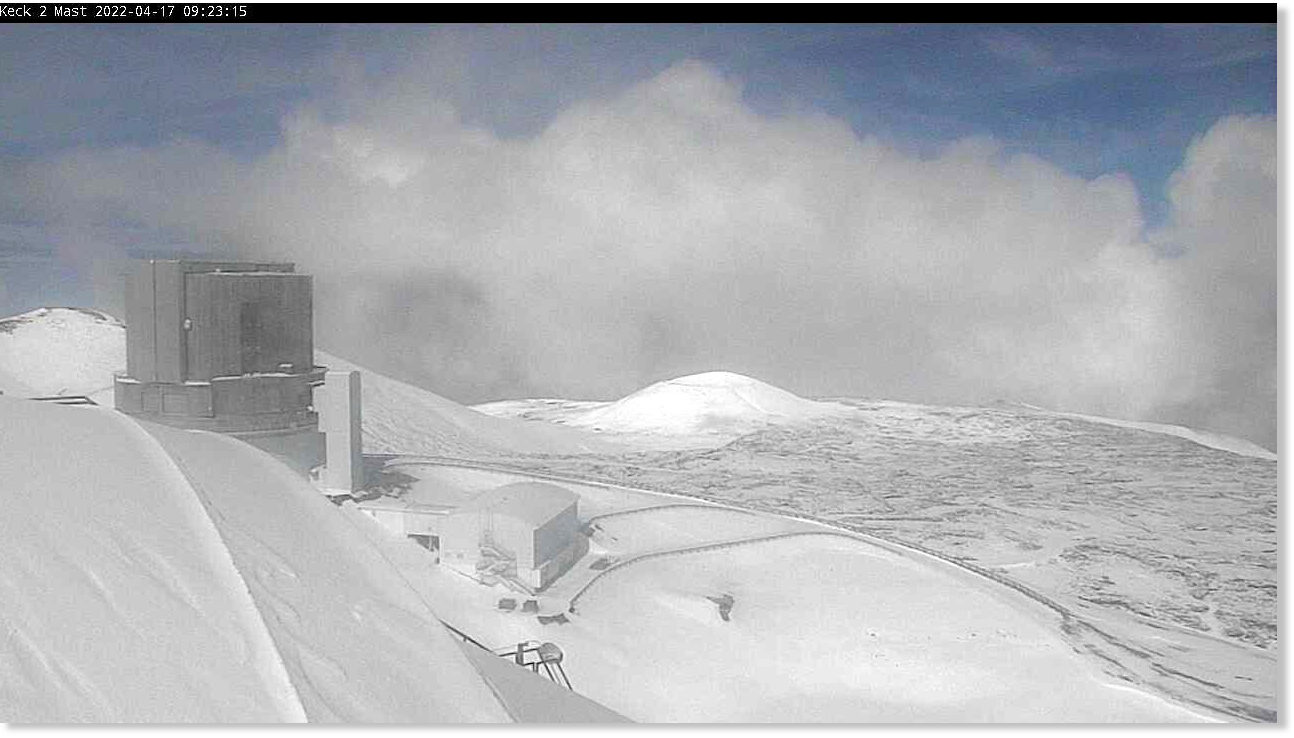
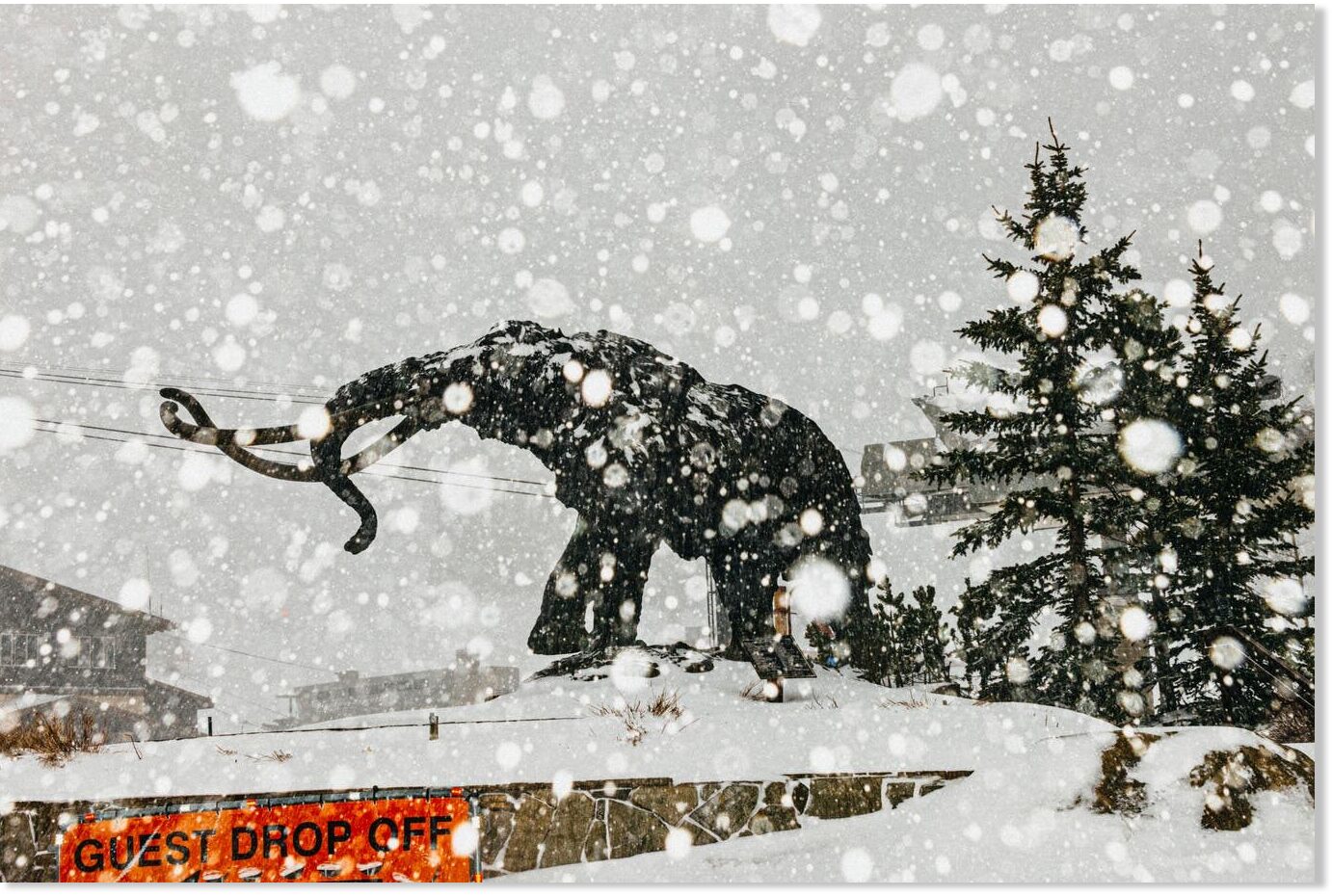
More than 100 centimeters of snow fell in a week in California's Sierra Nevada mountains after another late-season snowfall, UC Berkeley Central Sierra Snow Lab said on Saturday, April 16.
The UC Berkeley Central Sierra Snow Lab said 19 centimeters (7.5 inches) of snow fell overnight into Saturday morning, for a total of 100 centimeters (39.4 inches) in the seven days leading to April 16.
Video from outside the lab posted on April 16 shows heavy snow falling on top of accumulated snow from the previous days. More snow was expected in the coming week, the lab said.
Hundreds of miles of roads were shut down, ranchers and their animals faced brutal conditions — and will see more tough weather ahead.
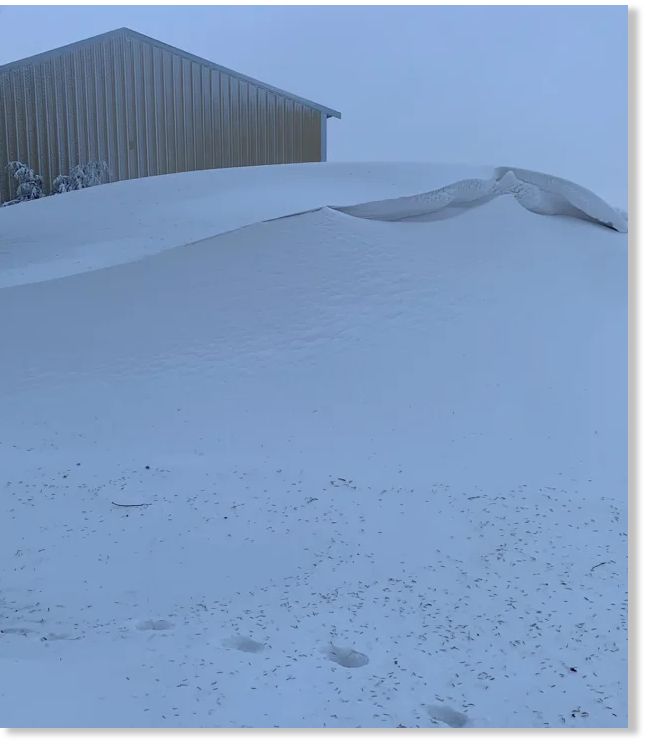
Meanwhile, snowdrifts in some spots were estimated to be higher than 10 feet in some places.
Sheep managed to find higher ground from being buried by a snowdrift on April 12 in Molt, Montana.
These sheep are built for snow but not for wind. All sheep are alive and accounted for.
The sun was out and shining Wednesday morning in Molt, Montana — a stark contrast to the blizzard conditions that had kept Sara Hollenbeck busy on her ranch, working to keep the wind and snow from burying her sheep.
Richard Davies Floodlist Mon, 11 Apr 2022 12:54 UTC
Heavy rainfall has caused flooding and mudslides in KwaZulu-Natal in South Africa. One fatality has been reported.
According to South African Police Service (SAPS), a man died after rain triggered a mudslide in Umlazi township, located south-west of Durban, on 10 April 2022. Several dwellings are thought to have been buried or damaged and search teams were deployed to the area.
According to the KwaZulu-Natal's Cooperative Governance and Traditional Affairs Department (KZN COGTA), disaster management teams have responded to a number of other incidents, including mudslides in KwaDukuza and flooding in Ladysmith. There were also reports of flooding in coastal areas including Kingsburgh.
Durban recorded 91 mm of rain in 24 hours to 11 April 2022. As of 11 April warnings were in place for flooding and further heavy rain.
Dozens killed in South Africa floods and mudslides following rainstorms
The death toll from floods and mudslides after rainstorms struck the South African port city of Durban and surrounding areas in KwaZulu-Natal province has climbed to 59, authorities said on Tuesday.
The country's meteorologists forecasted more "extreme" rains on the way Tuesday night accompanied by "widespread flooding".
"Many people lost their lives with Ethekwini (Durban metro) alone reporting 45 so far," while in iLembe district "more than 14 are reported to have tragically lost their lives," the provincial government said in a statement.
It said the disaster "wreaked untold havoc and unleashed massive damage to lives and infrastructure" affecting all races and social classes from rural areas, townships to luxury estates.
President Cyril Ramaphosa is due to visit the affected area on Wednesday.
"This is a tragic toll of the force of nature and this situation calls for an effective response by government," said Ramaphosa.
Days of driving rain flooded several areas, tore houses apart and ravaged infrastructure across the southeastern city, while landslides forced train services to be suspended.
The rains have flooded city highways to such depths that only the tops of traffic lights poked out, resembling submarine periscopes.
Torrents tore several bridges apart, submerged cars and collapsed houses. A fuel tank was floating in the sea after being tossed off the road.
Several stacked shipping containers fell like dominoes and lay strewn on a yard, while some spilled over into a main road in the city, one of southern Africa's largest regional gateways to the sea.
Global shipping firm Maersk suspended its operations in Durban on Tuesday due to the floods.
"At around 3:00 am (0100 GMT), I felt the truck shaking and I thought maybe someone bumped it and when I tried to open the curtain I saw the water level... was very high," said truck driver Mthunzi Ngcobo.
Trapped students and teachers airlifted to safety
The disaster management department in KwaZulu-Natal province, of which Durban is the largest city, urged people to stay at home and ordered those residing in low-lying areas to move to higher ground.
More than 2,000 houses and 4,000 "informal" homes, or shacks, have been damaged, provincial premier Sihle Zikalala, told journalists.
Rescue operations, aided by the military, are underway to evacuate people trapped in affected areas.
Fifty-two secondary students and teachers who were marooned at a Durban secondary school, were successfully airlifted to safety following "a long traumatic night, trapped", education authorities said.
More than 140 schools have been affected by the flooding.
Durban mayor Mxolisi Kaunda earlier said that power stations had been flooded and water supplies disrupted -- and that even graveyards had not been spared the devastation.
The city had only just recovered from deadly riots last July in which shopping malls were looted and warehouses set on fire, in South Africa's worst unrest since the end of apartheid.
There have been reports of looting, with TV footage showing people stealing from cargo containers.
The provincial government condemned "reports of the looting of containers" during the flooding, calling on police to ensure that property was protected.
South Africa flooding death toll rises to at least 259
Prolonged rains and flooding in South Africa have claimed the lives of at least 259 people, rising from estimates of around 45 people on Tuesday.
Local officials report severe rainfall has damaged the port, major highways and surrounding areas in KwaZulu-Natal province, on the east coast of the country.
South Africa's military had been deployed to Durban and the surrounding eThekwini metropolitan area on Tuesday to assist with rescue operations as residents flee flooded areas.
Some people have been swept away by surging waters, say officials.
Durban port, the largest and busiest shipping terminal in sub-Saharan Africa, has been inundated with floodwaters that carried away shipping containers and left them in a jumbled pile.
Authorities are providing shelter for several hundred people whose homes and possessions were washed away by the floods.
Technicians are working to restore electricity to areas where power has been knocked out.
Emergency services have for several days been responding to urgent calls for help from people stuck in their houses but the number was beginning to decrease, emergency services spokesman Robert McKenzie said on Tuesday.
AFP reports:
South Africa floods: deadliest storm on record kills over 250 people
Devastating floods have killed 259 people in the South African city of Durban and surrounding areas, a senior government official said on Wednesday, after hillsides were washed away, homes collapsed and more people were still feared missing.
The heaviest rains in 60 years pummelled Durban's municipality, eThekwini in Zulu. According to an AFP tally, the storm is the deadliest on record in South Africa.
"At the moment the confirmed figures of people that have perished during this disaster is 259, across the KwaZulu-Natal (KZN) province," Nonala Ndlovu, spokesperson for the provincial disaster management department, told AFP.
The South African president, Cyril Ramaphosa, has described the floods as a "catastrophe" and a "calamity".
"Bridges have collapsed. Roads have collapsed. People have died ... this is a catastrophe of enormous proportions," he said, addressing a local community after inspecting the damage from the floods.
The search for missing persons is still going on, said Ramaphosa, promising to "spare nothing" in dealing with the disaster.
"This disaster is part of climate change. We no longer can postpone what we need to do ... to deal with climate change.
"It is here, and our disaster management capability needs to be at a higher level."
Earlier the provincial health chief Nomagugu Simelane-Zulu had expressed concern about the huge death toll, telling eNCA television that "mortuaries are under a bit of pressure, however we are coping".
The United Methodist Church in the township of Clermont was reduced to a pile of rubble. Four children from a local family died when a wall collapsed on them.
Other homes hung precariously to the hillside, miraculously still intact after much of the ground underneath them washed away in mudslides.
The storm forced sub-Saharan Africa's most important port to halt operations, as a main access road suffered heavy damage.
Shipping containers were tossed about, washed into mountains of metal.
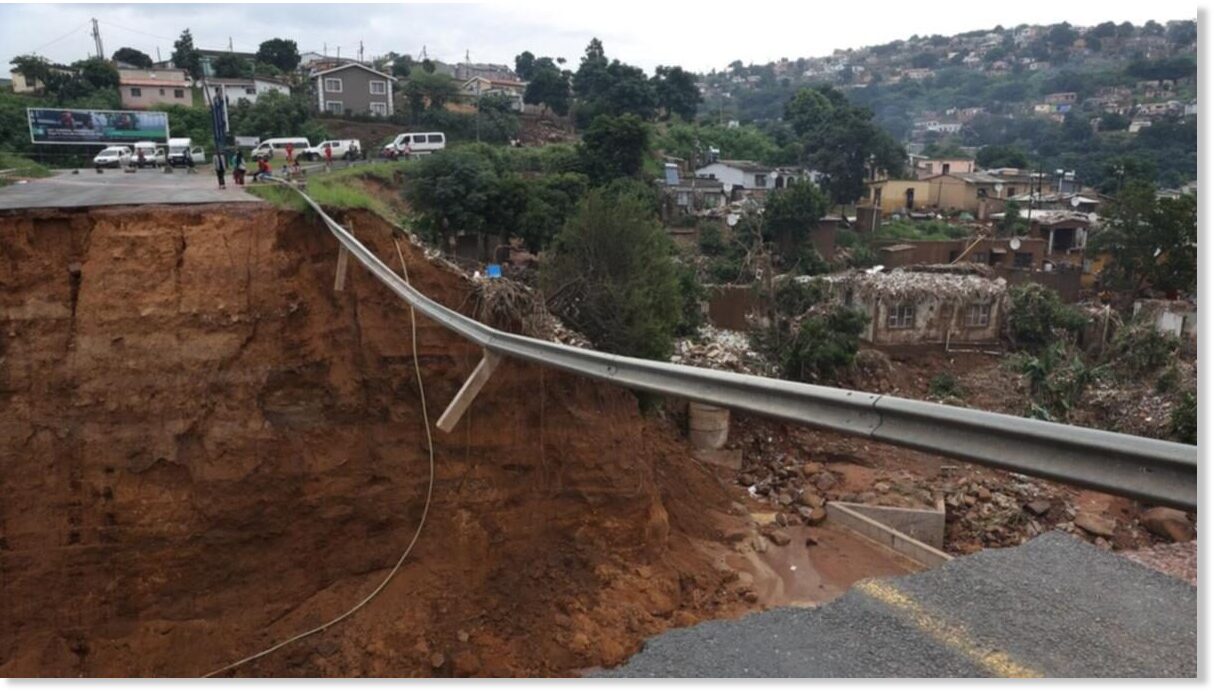
Sections of other roads were washed away, leaving behind gashes in the earth bigger than large trucks.
"We see such tragedies hitting other countries like Mozambique, Zimbabwe, but now we are the affected ones," Ramaphosa said as he met with grieving families near the ruins of the church.
South Africa's neighbours suffer such natural disasters from tropical storms almost every year, but Africa's most industrialised country is largely shielded from the storms that form over the Indian Ocean.
These rains were not tropical, but rather caused by a weather system called a cutoff low that had brought rain and cold weather to much of the country.
When storms reached the warmer and more humid climate in Durban's KZN province, even more rain poured down.
"Some parts on KZN have received more than 450mm (18 in) in the last 48 hours," said Dipuo Tawana, a forecaster at the national weather service - nearly half of Durban's annual rainfall of 1,009mm.
Rain continued in parts of the city on Wednesday afternoon, and a flood warning was issued for the neighbouring province of Eastern Cape.
Durban had barely recovered from deadly riots last July which claimed more than 350 lives, in South Africa's worst unrest since the end of apartheid.
The national police force deployed 300 extra officers to the region, as the air force sent planes to help with the rescue operations.
Days of driving rain flooded several areas, smashed houses and ravaged infrastructure across the city, while landslides forced train services to be suspended across the province.
The rains flooded highways to such depths that only the tops of traffic lights poked out, resembling submarine periscopes.
Torrents tore several bridges apart, submerged cars and collapsed houses. A fuel tanker floated at sea after being swept off the road.
More than 6,000 homes were damaged.
After TV footage showed people stealing from shipping containers, the provincial government condemned "reports of the looting of containers" during the flooding.
Southern parts of the country are bearing the brunt of the climate crisis - suffering recurrent and worsening torrential rains and flooding.
Heavy rains and flooding have killed at least 341 people in South Africa's eastern KwaZulu-Natal province, including the city of Durban, and more rainstorms are forecast in the coming days.
The death toll is expected to rise as scores of people, including whole families, are missing, officials said Thursday.
The persistent rains have wreaked havoc in the province, destroying homes, collapsing buildings and washing away major roads.
The damage to Durban and the surrounding eThekwini metropolitan area is estimated at $52 million, eThekwini Mayor Mxolosi Kaunda said Thursday.
At least 120 schools have been flooded, causing damage estimated at more than $26 million and bringing officials to temporarily close all schools in the province.
At least 18 students and one teacher from various schools have died in the floods, Education Minister Angie Motshekga said.
"This is a catastrophe and the damage is unprecedented. What is even more worrying is that more rain is expected in the same areas that are already affected," Motshekga said in a statement issued Thursday.
Police used stun grenades to disperse residents in the Reservoir Hills areas of Durban who were protesting what they said was the lack of official assistance, according to South African media reports.
The South African National Defense Force has deployed troops to assist with rescue and mop-up operations.
The floods have knocked out water and electricity to large parts of Durban and the surrounding eThekwini metropolitan area and it will take at least a week to restore those services, according to officials.
President Cyril Ramaphosa visited is convening an emergency Cabinet meeting to declare the floods a national disaster so that funds can be released to help repair the damage. He visited several areas hit by the floods and mudslides on Wednesday.
Fourteen crocodiles that were swept away from a farm in the Tongaat area north of Durban have been recaptured, according to wildlife officials.
DEATH TOLL REACHES 395 IN KWAZULU-NATAL'S DEVASTATING FLOODS
The death toll from the devastating floods in KwaZulu-Natal has risen to 395.
The number has been confirmed by Cooperative Governance MEC Sipho Hlomuka in a statement released a short while ago.
Search operations have been intensified in the province where dozens of people are still missing five days after the disaster struck.
The death toll from the floods currently stands at 395 with many people still missing. More than 40,000 people have been affected and efforts to restore power, and access to drinking water were expected to yield results on Friday.
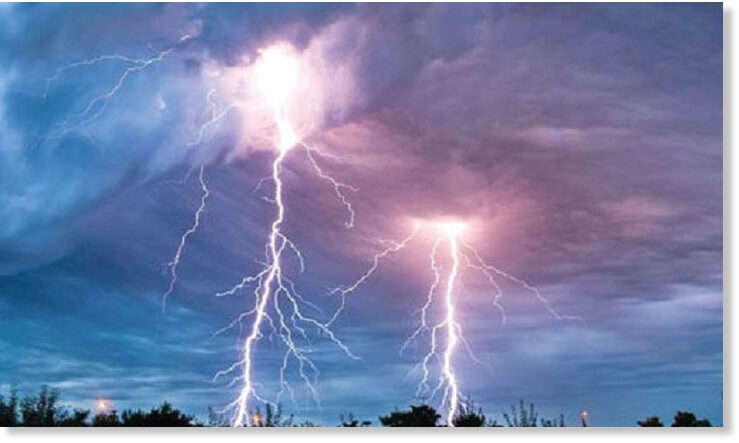
Two people died on Friday after being struck by lightning in Kutubdia upazila of Cox's Bazar.
The deceased were known as Sahab Uddin, 60, son of Abu Jafar, hailed from Tabelar Char village and Sahab, 45, son of Sattar Hawladar of Gazalia village of Galachipa in Patuakhali.
Kutubdia police station Officer-in-Charge (OC) Omar Haydar said, two people were killed by lightning in separate locations of Kutubdia.
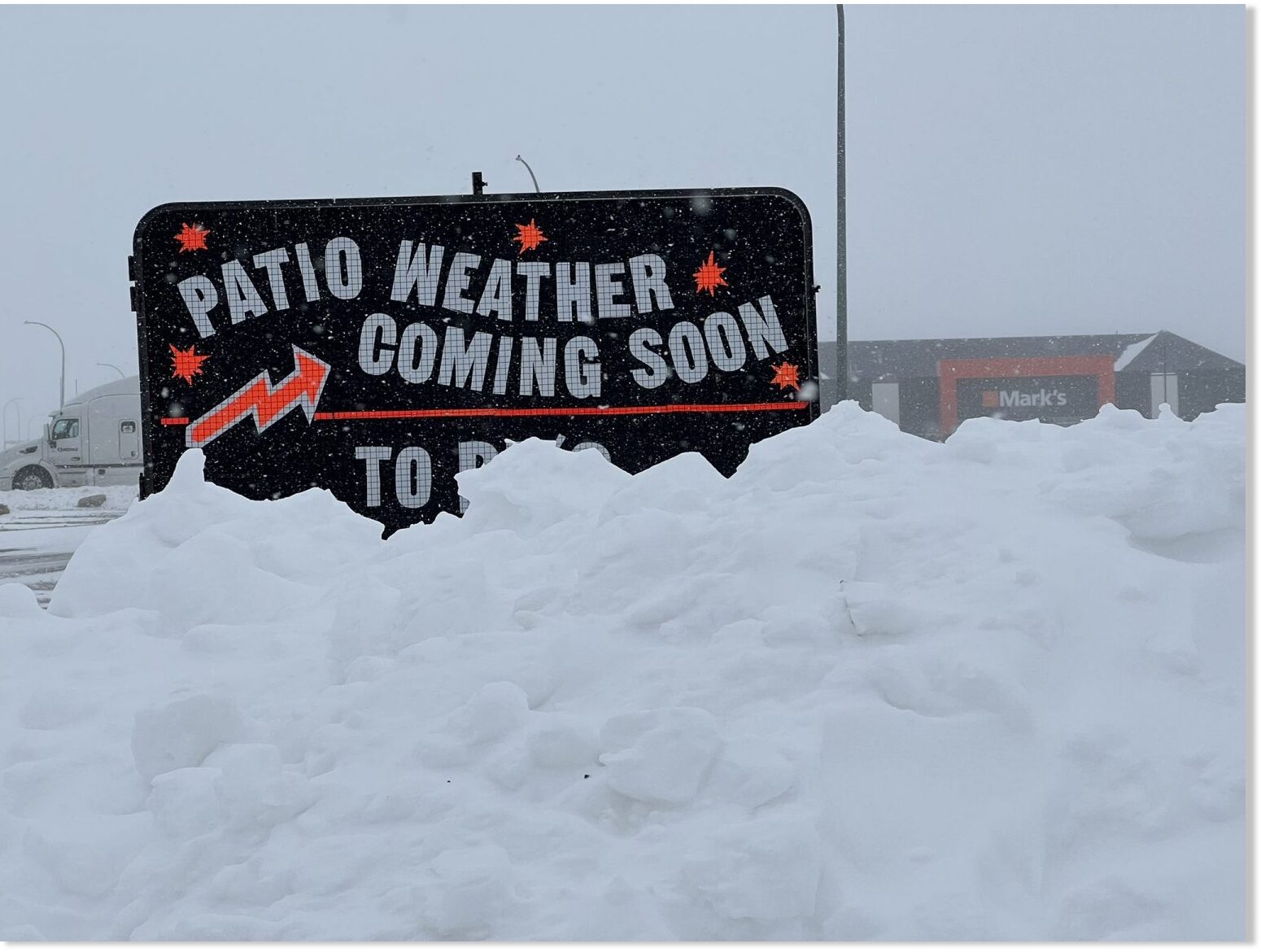
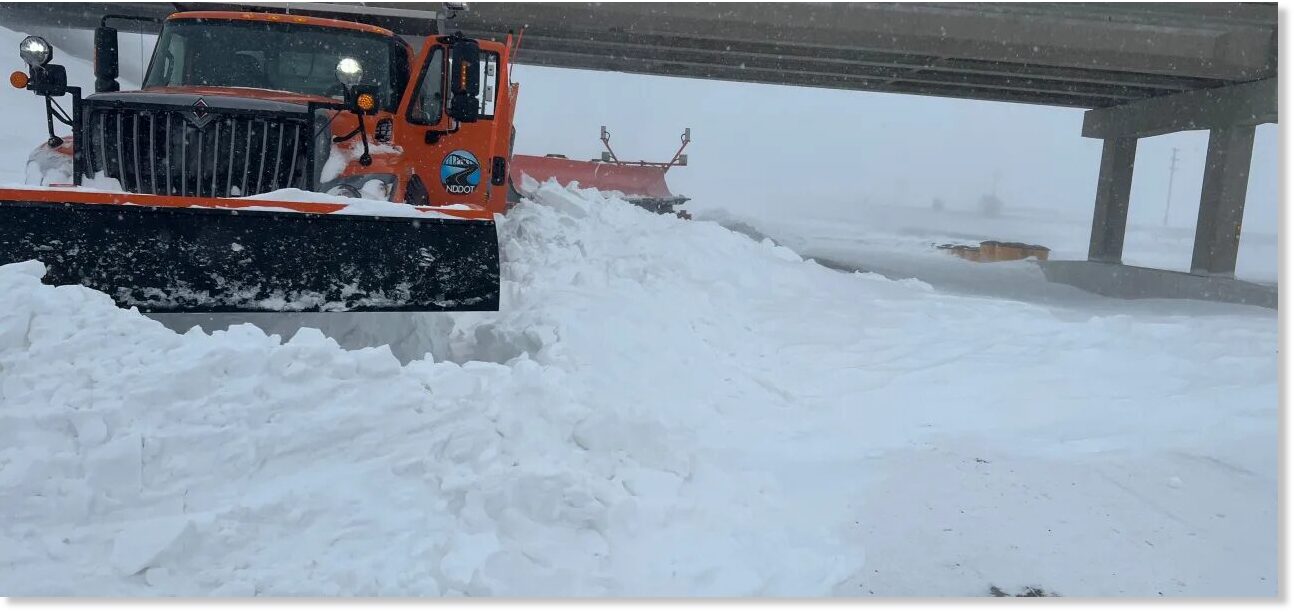
It's the strongest blizzard to hit North Dakota in 25 years.
The strongest blizzard to hit North Dakota in 25 years continues to cause significant travel issues Thursday as winds behind the snow whip around the 2+ feet of snow that piled up in many areas of western and central North Dakota over the previous 48 hours.
"As the snowfall begins to decline, the wind will be our big challenge for today. The crews are out and appreciate your patience while they work against it to get the roads cleared," the North Dakota Department of Transportation said Thursday morning.
"Oversize travel is not looking good today. Let's give those snow plow drivers space to get their work done. Hoping to see a nice clean map tomorrow."







Comment: Update April 12:
AFP reports: Update April 13:
ITV reports: AFP reports: Update April 14
AP reports: Update April 15
Eyewitness News reports: Update April 18
Reuters reports: