Earth ChangesS


Snowflake Cold

Adapt 2030 Ice Age Report: (Moldy crops & delayed harvests) Your food source is quickly diminishing

snow crop
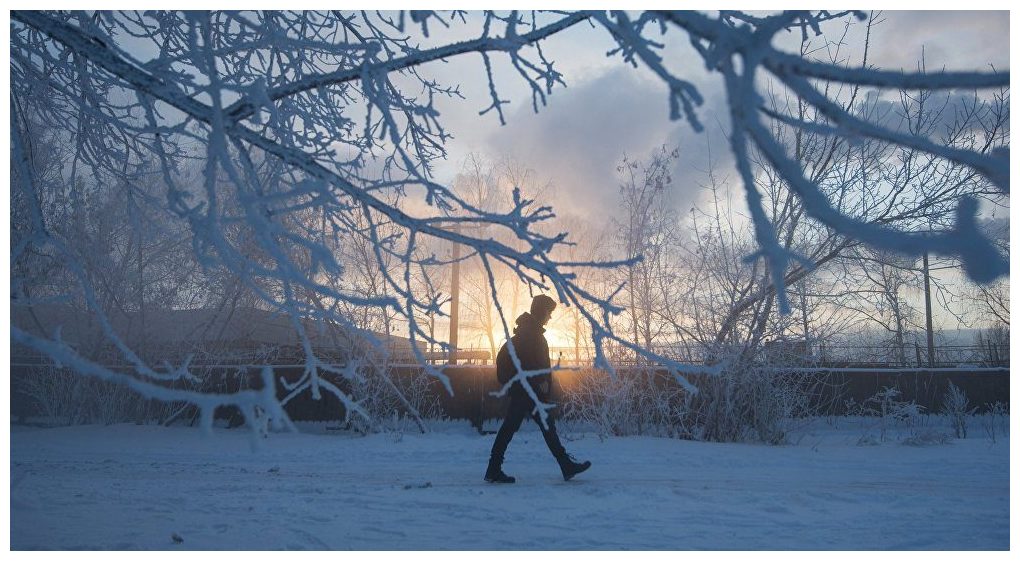
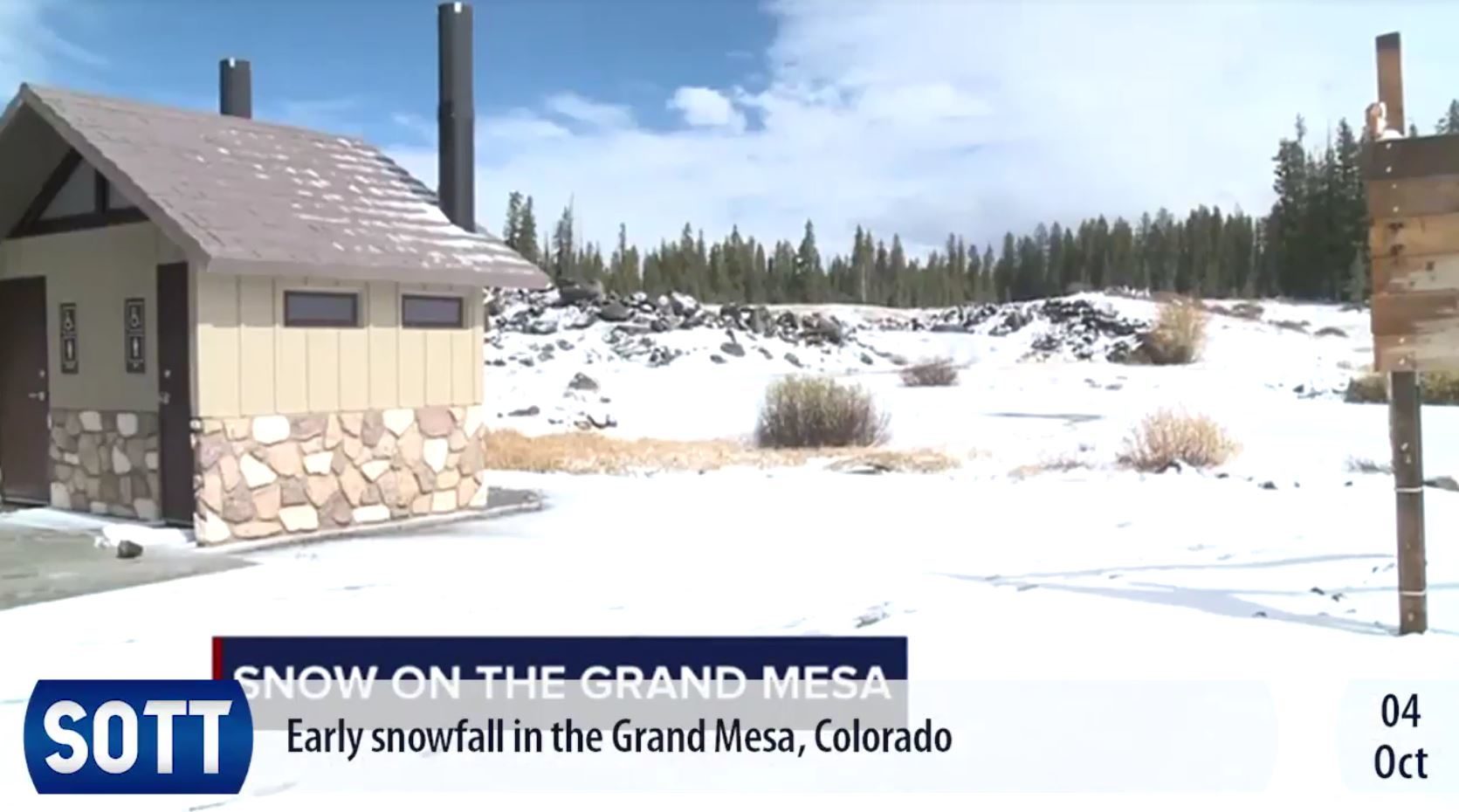
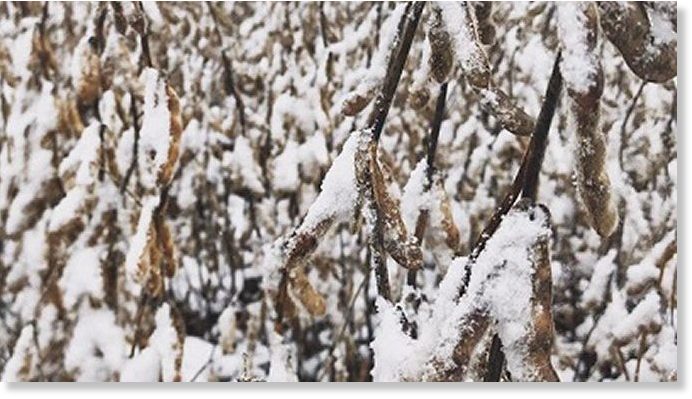
Late January winter temperatures grip parts of grain growing areas in Canada and USA along with delayed winter wheat planting, massive rains are delaying harvests in the southern part of the US. Farmers report moldy crops and plantings buried in mud.

Record cold extends to southern Mexico with temperatures 25-30F below normal for this time of year.

A new Grand Solar Minimum timeline to crop losses.


Sources
Cloud Precipitation

Thousands evacuated after floods following days of heavy rain in Argentina

floods
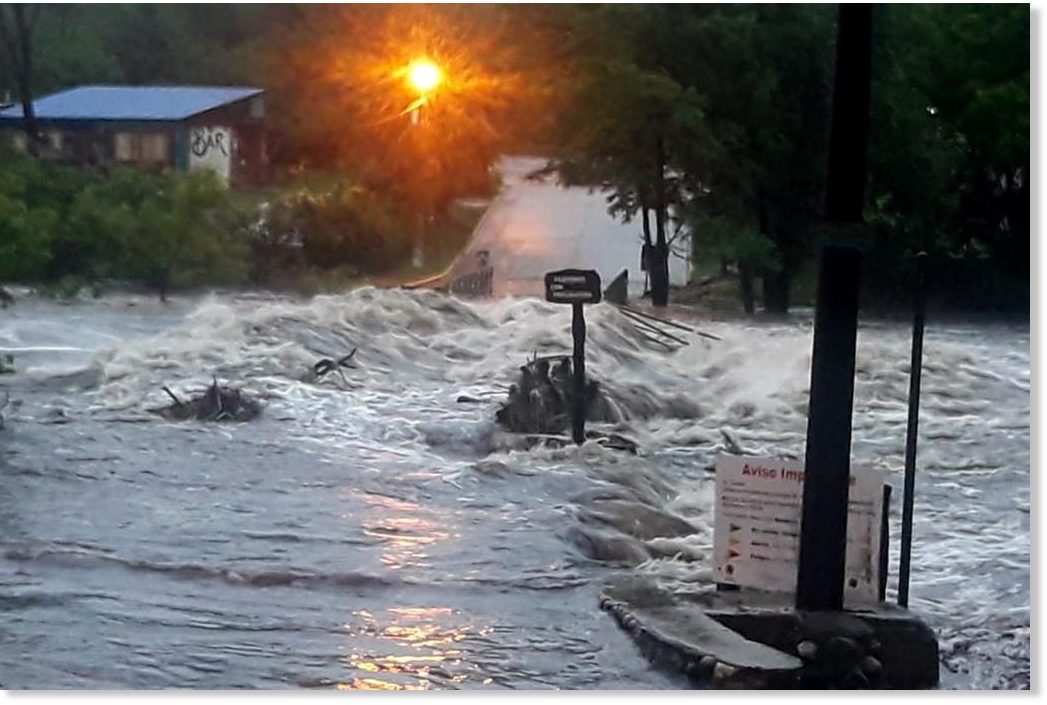
Days of severe weather, including heavy rain and flash flooding, has left around 3,000 people evacuated in Argentina, most of them from parts of the capital Buenos Aires.

The heavy rain began on 09 November, 2018. According to WMO figures, Sauce Viejo city in the province of Santa Fe recorded 196mm of rain in 24 hours to 12 November. Reconquista, also in Santa Fe, recorded 169 mm of rain in 24 hours the following day.

Servicio Meteorológico Nacional (SMN) in Argentina said that this November has already been one of the wettest on record.

According to national news agency Télam, 1,561 people have been evacuated in La Matanza, a district (partido) in Greater Buenos Aires, Buenos Aires Province. In addition, 100 people were evacuated in Arrecifes, 37 in Quilmes, 10 in Marcos Paz, 80 in Cañuelas, 8 in Saladillo, 14 in Trenque Lauquen.


Comment: To keep track of the ever increasing number of severe and frequently record-breaking flooding episodes (including associated landslides) across the planet, please visit our pages dedicated to this topic here.


Attention

Massive snowfall causes deadly traffic pile-up & vehicle explosion in Russia's south

blizzard cars driving snow
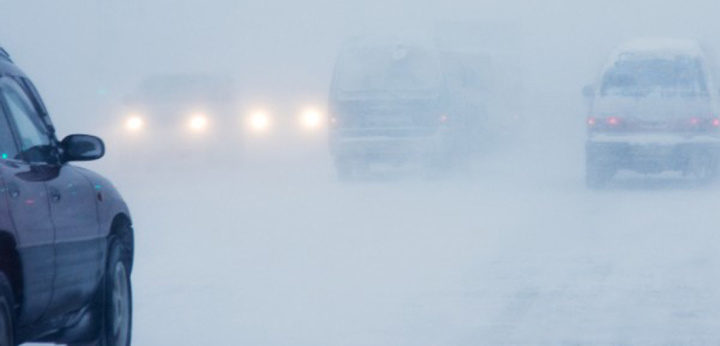
Terrifying footage was captured when a car exploded during a massive vehicle collision in the Rostov region, where extreme weather conditions caused a major traffic incident on an expressway linking Moscow with southern Russia.

One person died and at least two others sustained injuries, after some 15 cars collided on the M-4 Don highway following heavy snowfall on Tuesday. The major road incident caused heavy traffic on the border of the Rostov and Krasnodar Regions.

Nuke

Public panicked after California wildfire tears through nuclear waste site

Wildfire
© Reuters / Eric Thayer
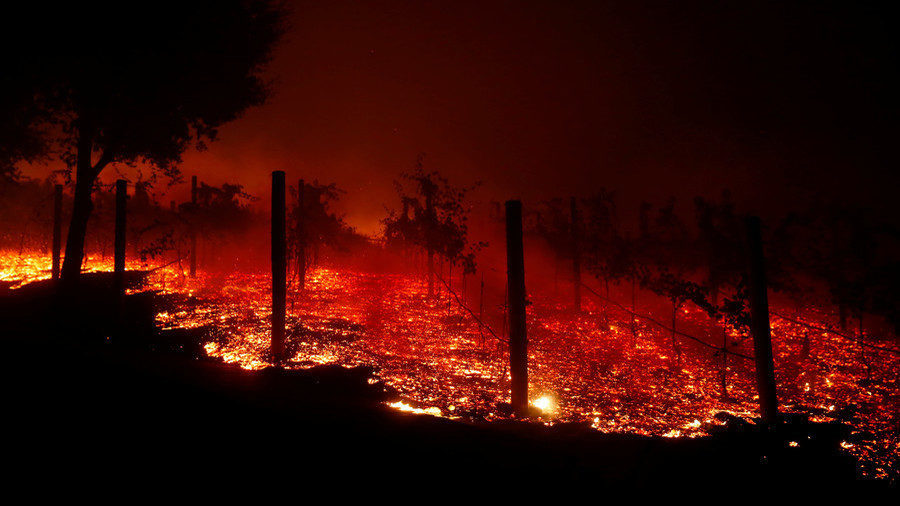
The Woolsey fire that engulfed over 90,000 acres in California last weekend may have spread toxic and radioactive substances from a Superfund site, according to activists who believe authorities might be downplaying the risks.

The fire passed through the Santa Susana Field Lab (SSFL), a federal Superfund site in the Simi Hills that was the site of the worst nuclear meltdown in US history in 1959. While the California Department of Toxic Substances Control said there was no reason to be concerned of "any risks other than those normally present in a wildfire situation," locals aren't so sure, pointing out that the agency has dragged its feet in cleaning up toxic sites and accusing it of a possible cover-up.

Physicians for Social Responsibility Los Angeles president Robert Dodge castigated the DTSC, pointing out that the site - now owned by Boeing - remains radioactive and polluted despite the agency's promise to clean it up eight years ago. "These toxic materials are in SSFL's soil and vegetation, and when it burns and becomes airborne in smoke and ash, there is real possibility of heightened exposure for area residents."

Comment: Also see: California wildfires: At least 42 dead, 200 missing, 250k evacuated, over 7000 buildings destroyed - Camp Fire becomes deadliest in state's history


Snowflake

Three unusually early snows make Kansas City weather history

Kansas City snow
© JOHN SLEEZER The Kansas City Star
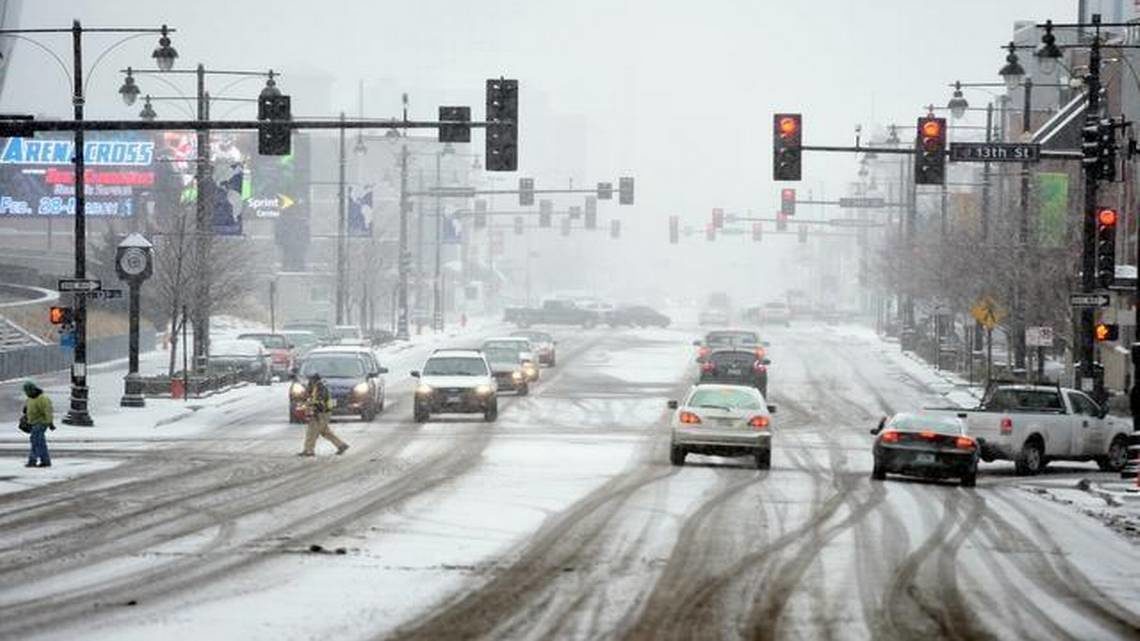
If you think winter weather has come early to the Kansas City area this year, you're not wrong.

The first snow came on Oct. 14, when Kansas City had its earliest measurable snowfall in more than a century - .2 of an inch at Kansas City International Airport.

That broke a 120-year-old record. The last time it snowed this early in Kansas City was on Oct. 17, 1898, when 3.3 inches of snow fell, according to the National Weather Service in Pleasant Hill.

The average first measurable snowfall date for Kansas City is Nov. 28.

The metro's second snow, 1.3 inches at KCI, came on Thursday.

And on Monday, Kansas City had its third winter storm, which dropped 1 to 3 inches of snow across much of the metropolitan area. KCI reported .5 of an inch of snow.

This is only the third year in the city's 131 years of recorded weather history where it has seen three measurable snow events by Nov. 12. The other two years were in 1898 and 1992, according to the Weather Service.

Igloo

Listen up Al Gore: Inuit says Polar bear numbers in Canadian Arctic so great they pose a threat to communities

polar bear
© Justin Hofman / Barcroft Media‘Inuit believe there are now so many bears that public safety has become a major concern,’ said one section of the report.
Report bitterly contested by scientists who say threat comes from climate change, which has pushed bears closer to humans - not because the population is growing

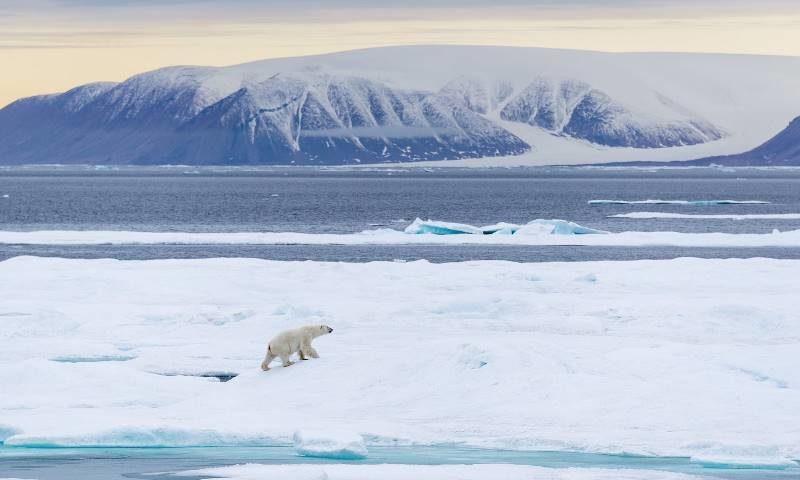
Too many polar bears are roaming the Canadian Arctic, and the growing population is posing an increasing threat to Inuit communities, according to a controversial new government report which has been bitterly contested by environmental scientists.

The draft report was prepared by the Nunavut government, and consists of submissions from Inuit community groups across Canada's northernmost territory. Public consultations are set to start on Tuesday before the government unveils the final report later in the year.

Comment: The indigenous community suffers because ivory-tower ideological madness is being privileged over local, real-life knowledge.


Igloo

'We see a cooling trend' says NASA scientist

Abnormally cold weather in Moscow
© Sputnik/Maksim BlinovAbnormally cold weather in Moscow.
The sun is headed towards its solar minimum, a time of far less energy output. That could mean cold winters are on their way, according to officials from NASA, the US space agency.

"We see a cooling trend," Martin Mlynczak of NASA's Langley Research Center said in late September. "High above Earth's surface, near the edge of space, our atmosphere is losing heat energy. If current trends continue, it could soon set a Space Age record for cold."

NASA's SABER [Sounding of the Atmosphere using Broadband Emission Radiometry] instrument aboard the TIMED [Thermosphere Ionosphere Mesosphere Energetics and Dynamics] satellite has been tracking the upper parts of the Earth's atmosphere - those most affected by the sun's rays - since 2001 and is detecting signs that solar output is nearing a low-point.

"The thermosphere always cools off during Solar Minimum. It's one of the most important ways the solar cycle affects our planet," Mlynczak, who is the associate principal investigator for SABER, told Space Weather.

Info

Adapt 2030 Ice Age Report: Solar researchers try to warn about global food shortages

snow crop
Professor Valentina Zharkova presented at the Global Warming Policy Forum, and this is what happens when someone familiar with Grand Solar Minimums and the effects on society tries to warn about global food insecurity within a decade. Giraffes in snow, atmospheric compression events and uber extremes are a wisp of what is in store through the next decade........


Sources

Comment: Professor Valentina Zharkova explains and confirms why a "Super" Grand Solar Minimum is upon us


Cloud Precipitation

SOTT Focus: SOTT Earth Changes Summary - October 2018: Extreme Weather, Planetary Upheaval, Meteor Fireballs

At the risk of sounding repetitive, October this year was, yet again, a month of major and destructive amounts of precipitation across the globe. At this point, the intensity and frequency of rainfall (often including hail) in so many places is getting a little worrying. From Asia to the Americas to Africa, Europe and the Middle East, towns, cities and villages in all these areas experienced massive downpours in just a few hours that destroyed property and took lives.
frio
Winter also arrived early this month in many places, with the European Alps, the Canadian and US Rockies (including further south in Arizona), China, South Korea, Pakistan and India all receiving unusually large amounts of the white stuff. As usual, there were meteorites/fireballs aplenty and, of course, the increasingly common sinkholes made their appearance, in one instance killing two people. For residents of Florida, October was marked by the arrival of Hurricane Michael with 155mph (250kmph) winds while Cyclone Titli hit the Indian coast leaving 17 people dead and 300,000 evacuated. All in all, it was yet another month of 'climate' madness on the big blue marble - matched only, you might say, by the political madness that appears to have taken hold of the minds of many people.

Watch our summary below:


Comment:
Check out the other recent releases:


Attention

Newborn baby is killed by MONKEY after being snatched from his mother's arms indoors in India

Newborn baby Arush (pictured) was killed by a monkey after it snatched the infant from his mother's arms in India
A newborn baby was killed by a monkey after it snatched the infant from his mother's arms in India.

The woman, called Neha, had been breastfeeding her 12-day-old son Arush when the animal came into her home on the outskirts of Agra on Monday, the Times of India reports.

The victim's father Yogesh, an auto-rickshaw driver, told the newspaper that they chased the monkey.

The animal eventually left the baby on a neighbour's roof - but by then, it was too late.

'The main door of the house was open, and my wife was breastfeeding our son, suddenly a monkey barged inside our house and grabbed the child by his neck,' Yogesh told the Times of India.