Earth ChangesS


Cloud Precipitation

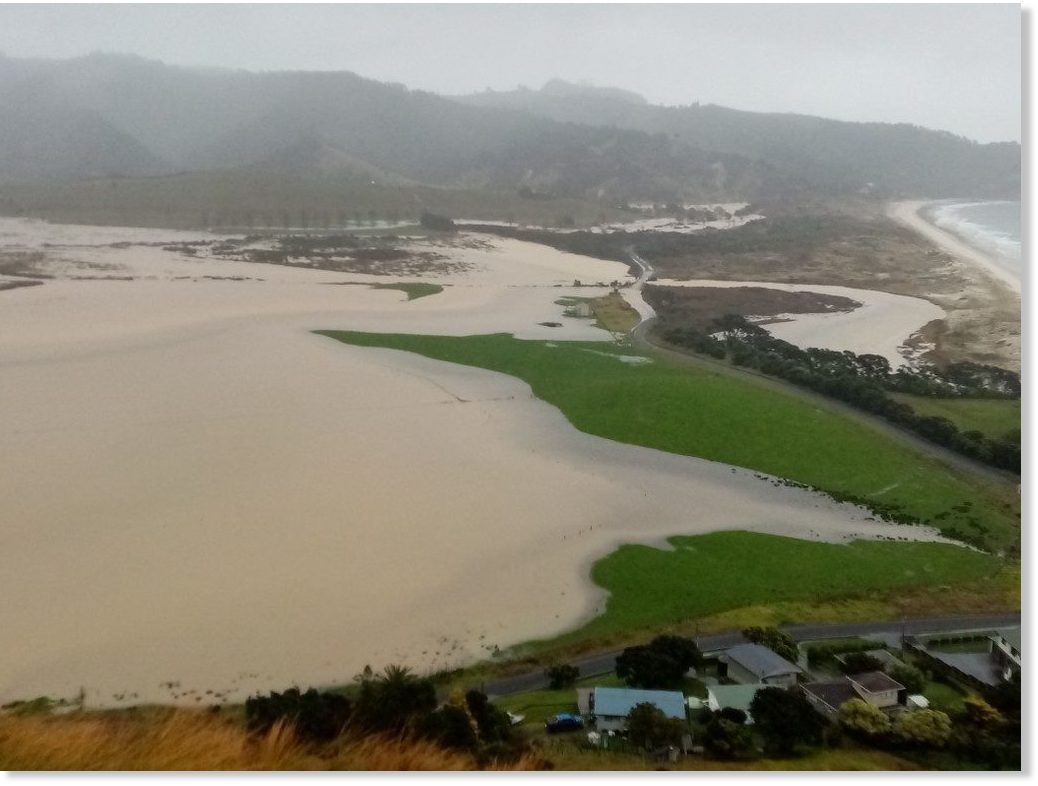
Floods hit Coromandel Peninsula, New Zealand after 10 inches of rain in 24 hours

Flooding in Otama new Zealand 10 September.
© Thames Coromandel District CouncilFlooding in Otama new Zealand 10 September.
Heavy rain on 10 September, 2019, caused flooding and landslips in the Coromandel Peninsula of New Zealand.

Thames Coromandel District Council said that more than 260mm of rain fell in 24 hours in the Pinnacles mountains in Coromandel Forest Park.

Flooding left some areas isolated and prompted some evacuations. Landslips also left roads closed
. No injuries or fatalities were reported.

( Warning - Below video contains strong earthy kiwi language.)


Propaganda

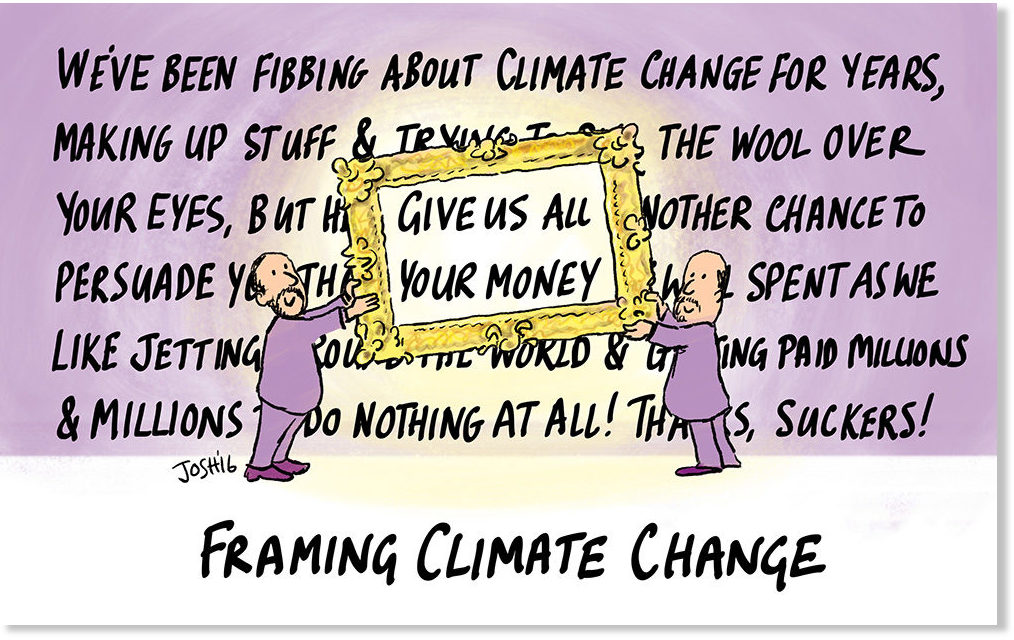
Category Five climate nonsense from Vox

climate cartoon
Climate journalism gets more and more ridiculous by the day. They no longer make any attempt to be credible.


Arrow Down

Huge sinkhole swallows taxi after opening up on Chinese road

sinkhole
A taxi driver had to sprint to freedom from his cab moments after it was swallowed up by an enormous sinkhole.

The cabbie, named Guo, ran from his car after the 13ft deep chasm opened up in Ningxia, northern China.

The 33-year-old had just dropped off a fare. 'After my passenger got out, I drove forwards, then my car suddenly began sinking into the ground. I was shocked and immediately tried to open my door to get out,' he said. 'But my car became misshapen in the sinkhole, so I had to kick it open and ran out.'


Comment: The lowdown on sinkholes:


Bizarro Earth

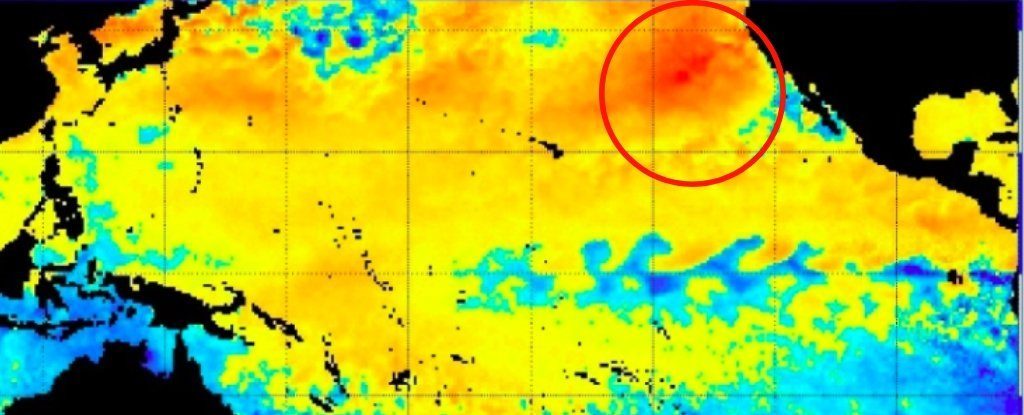
Gigantic heat anomaly brewing in the Pacific threatens a return of 'the Blob'

Pacific Blob 2019
© NOAA
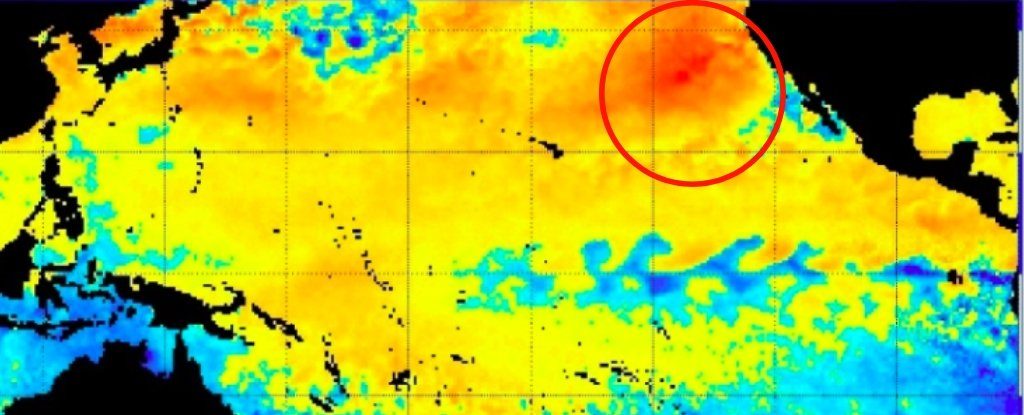
A menacing heatwave is brewing in the Pacific Ocean, and it's got scientists worrying about the return of 'the Blob'.

Roughly five years ago, a huge patch of unusually warm ocean water appeared off the coast of North America, stretching from Mexico's Baja California Peninsula all the way up to Alaska.

It was nicknamed the Blob, after a horror film monster that consumes everything in sight. The heatwave, which lasted for several years, was an equally indiscriminate killer.

According to estimates, during this time the southern coast of Alaska lost more than 100 million Pacific cod. Thousands of seabirds were found washed up on the shore, and about half a million were decimated in total. In one year alone, populations of humpback whales dropped by 30 percent. Salmon, sea lions, krill, and other marine animals also vanished in astonishing numbers, as toxic algae bloomed.

The Blob caused ecosystems and industries alike immense losses - so much so that researchers from the US National Oceanic and Atmospheric Administration (NOAA) are now closely tracking these events.

The current heatwave, they say, has not only popped up in the same area, it's grown in much the same way and is almost the same size.

Side by side, a comparison of both their early stages is ominous. Like the blob, the current marine heat wave emerged only a few months ago, as the winds that cool the ocean's surface began to die down.

"Given the magnitude of what we saw last time, we want to know if this evolves on a similar path," says marine ecologist Chris Harvey from the Northwest Fisheries Science Center.

Comment: See also:


Snowflake

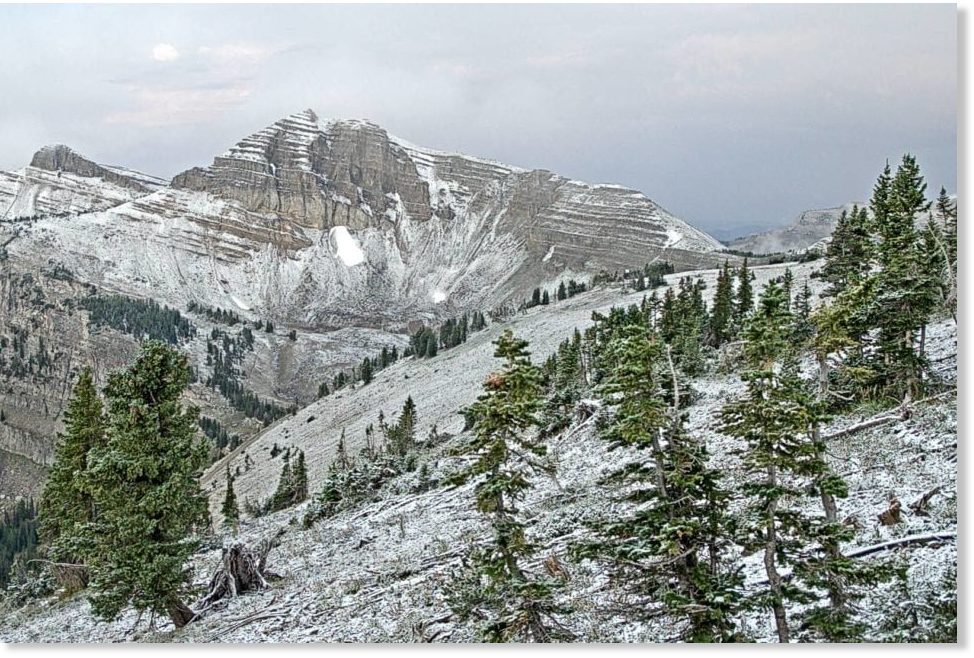
First snowfall of the season coats the Tetons, 4 to 10 inches in the forecast

Rendezvous Peak
© Jackson Hole Mountain Resort WebcamRendezvous Peak
A dusting of snow coated Rendezvous Peak last night into this morning marking the first snowfall of the 19/20 winter season. The National Weather Service has issued a special weather statement for the region: expect one to three inches of snow, 4 to 10 inches above 10000 feet through Wednesday night. The rain is expected to turn to snow by late tonight and continue Wednesday and Wednesday evening.

The 2020 Old Farmer's Almanac is predicting that this winter, there'll be s'no escape from shivers, snowflakes, and slush: "Snowy, icy, and icky" conditions, "wet and wild" periods, and "a parade of snowstorms" will transform the landscape.

Snowflake

It's begun: First snowfall of the season hits Utah

snow
Utah's first snowfall of the season is here.

The snow fell on Bald Mountain in the Uinta Mountains early Tuesday morning.

The area is about 12,000 feet above sea level.

Snowflake

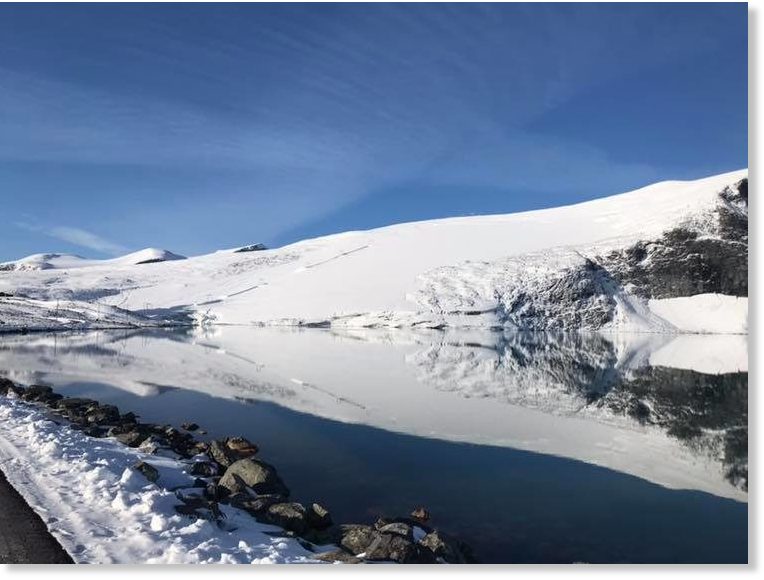
A foot of early snowfall at ski resort in Norway

snow
Thanks to cold temperatures and over a foot of snowfall, Norway's Juvass ski resort will be opening a week early on Saturday, September 14th. Take a look below for a rough Facebook translation of the below post:
" Gladmelding! Due to cold temperature and good weather we get opened Saturday 14. September well a week before planned. We still have a lot of work with snow tablecloths but have received good help from breførerene at juvasshytta. Pictures are from writing moment. There are 40 cm nysnø on the glacier."

Snowflake

Early snowfall at Big Sky Resort, Montana

BIG SKY RESORT
BIG SKY RESORT
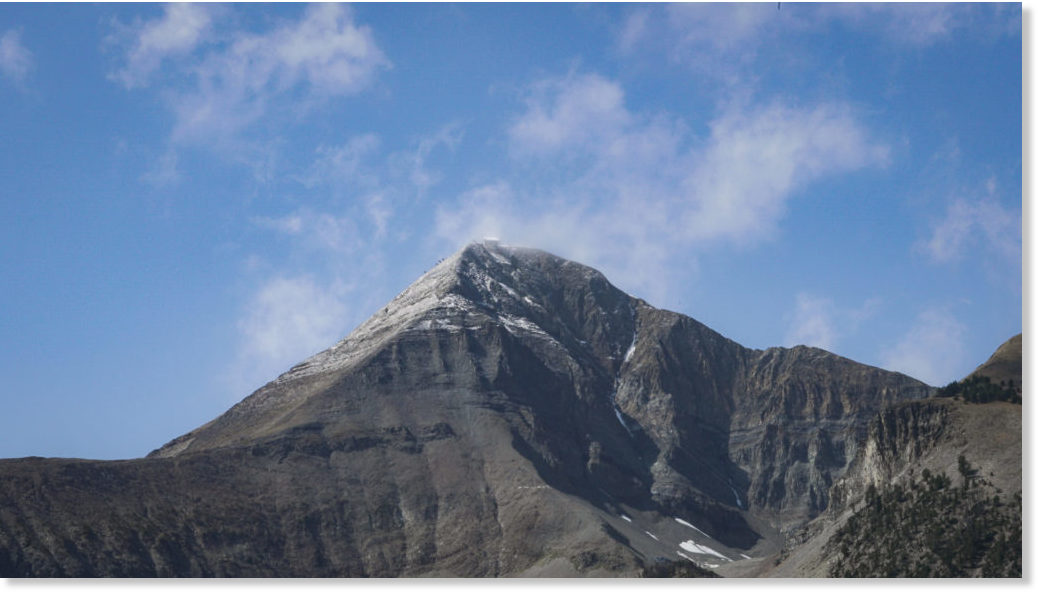
The rumors are true: Big Sky Resort saw its first snowfall of the season today.

As clouds cleared this morning, 11,166 foot Lone Peak revealed a dusting of snow.

For the record - there are just 80 more days until ski season begins.

Winter is just around the corner.

Snowflake

Dorian remnants brought early snow to parts of Atlantic Canada

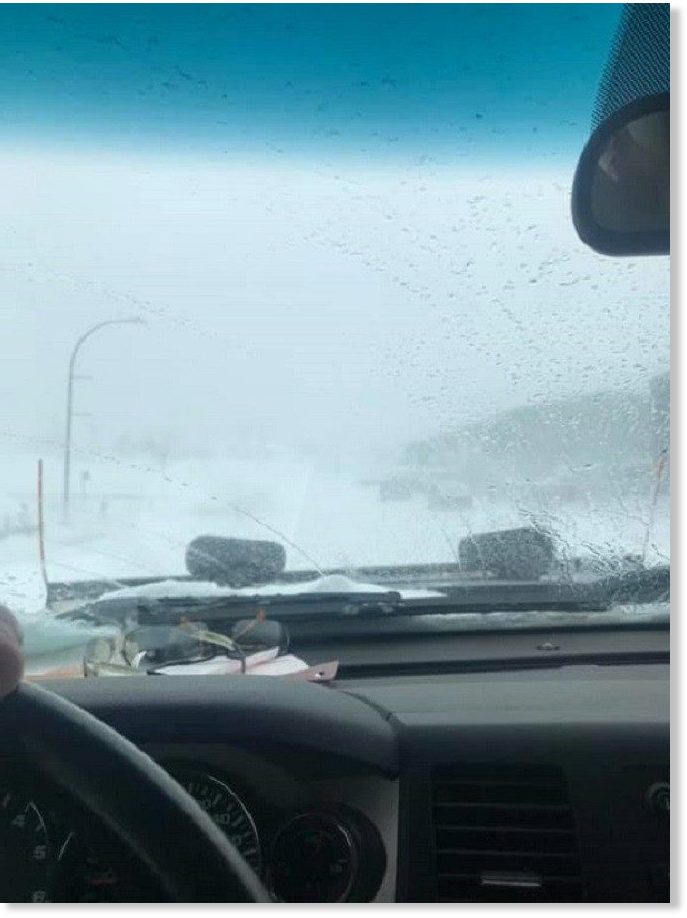
Light snow fell in Labrador after post-tropical storm Dorian swept through.
© Spencer RobinsonLight snow fell in Labrador after post-tropical storm Dorian swept through.
As remnants of Dorian moved east and merged with a trough, some light snow fell on parts of New Brunswick and Labrador

After Dorian made landfall as a hurricane-strength post-tropical storm in Nova Scotia Saturday and tracked east, it left behind more than a trail of damage and power outages -- it even dropped some light flurries in parts of New Brunswick and Labrador, later that evening and overnight Sunday, respectively.

What led to the dusting of the white stuff (no accumulations) was a trough merging with Dorian. As it transitioned into a post-tropical storm, the wind field expanded and the storm lost its tropical characteristics, Weather Network meteorologist Matt Grinter explained.

Comment: Early snowfall for Labrador, Canada


Info

Ice Age Farmer Report: Point of no return - no veggies to can - "China eats Kenya's donkeys"

cans
As our climate shifts in the Grand Solar Minimum, vegetable shortages are forcing canneries and processing plants to shut down for lack of product. Banks are telling customers to go to Food Banks as prices rise. China's ravenous appetite for protein threatens Kenya's donkeys in the wake of African Swine Fever -- they are already struggling to feed their people. Canada has had a rough season, and is already experiencing frost. The signs of looming food scarcity are everywhere -- Christian breaks it down.


Sources