Earth ChangesS


Snowflake Cold

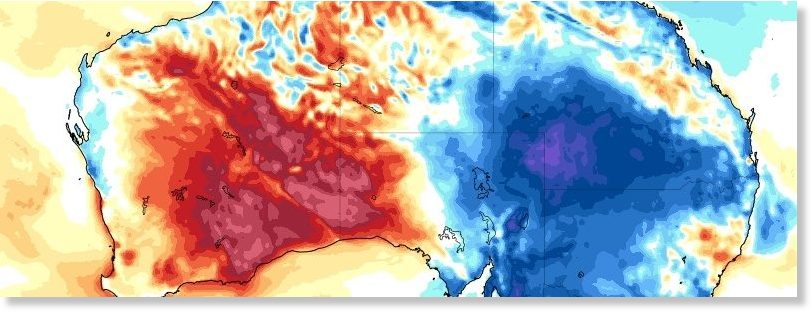
Coldest September morning EVER for six South Australia towns

cold
The coldest town in South Australia on Wednesday morning was Yunta, east of Port Augusta, where a low of -3.2C was recorded just after 6am.

Elsewhere, Murray Bridge woke up to a bitter -3.1C, while Snowtown, Kingscote and Kadina were sitting at -2.3C, -2.2C and -1.7C respectively.

Strathalbyn, southeast of Adelaide, couldn't escape the cold either with a low of -0.2C.

Fish

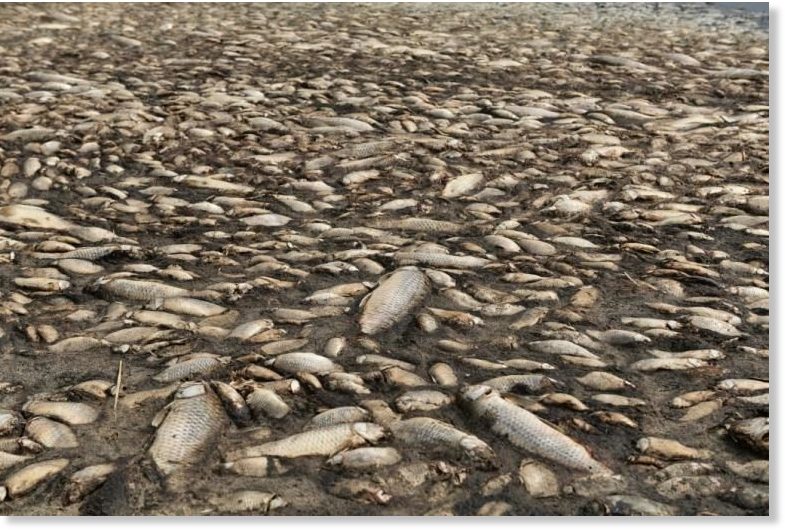
Thousands of dead fish wash up on drought-stricken Greek lake

dead fish
© AFP / Sakis MITROLIDIS
Thousands of fish washed up dead on the shores of Lake Koroneia in northern Greece on Thursday as a result of high temperatures and declining water levels, authorities said.

A long period of drought and high temperatures left the fish high and dry, Dimitra Bobori, responsible for lakes in the Macedonia region, told AFP.

The lake, 30 kilometres (18 miles) from the city of Thessaloniki, has experienced the phenomenon repeatedly over the last few decades.

Koroneia's depth has plummeted from nine feet (2.8 metres) in 2014 to between 60 and 80 centimetres today, Bobori said, adding that engineering works had failed to reverse the trend.


Attention

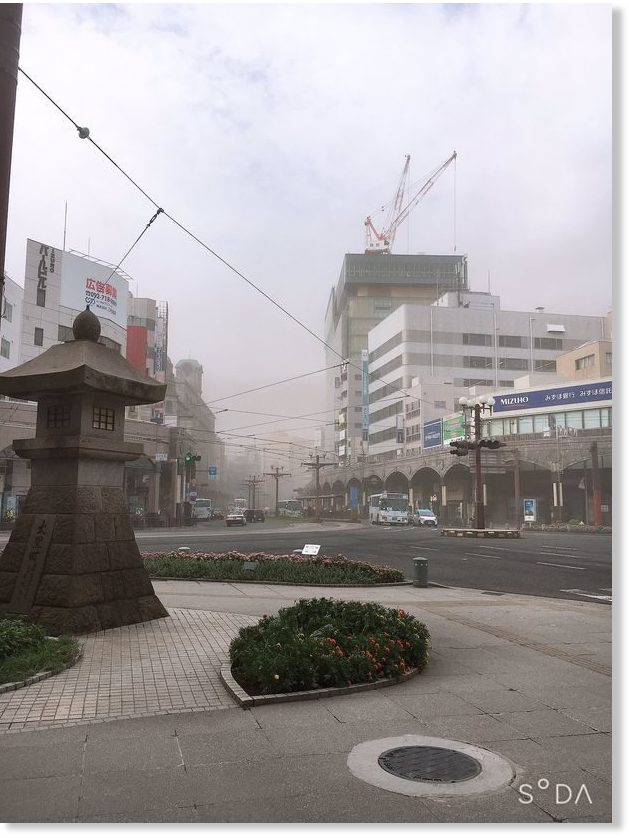
Japan's Sakurajima volcano erupts leaving city 5 miles away 'covered' in ash

Ash began falling over Kagoshima within an hour of the eruption
One resident of Kagoshima was "completely covered with ash" after Japan's Sakurajima volcano erupted

Volcanic ash has rained down on a city after Japan's Sakurajima erupted and belched a massive column of ash two miles into the sky.

People in Kagoshima - five miles away from the volcano - posted photos on social media showing their ash-covered clothing or cars, and the particles falling in the streets.

One resident tweeted: "Sakurajima's ashes!!! Because I forgot my umbrella, I was completely covered with ash. The second photo is an ash-covered bag."

Sakurajima, of the most active volcanoes in the world, erupted at about 4pm local time.


Snowflake

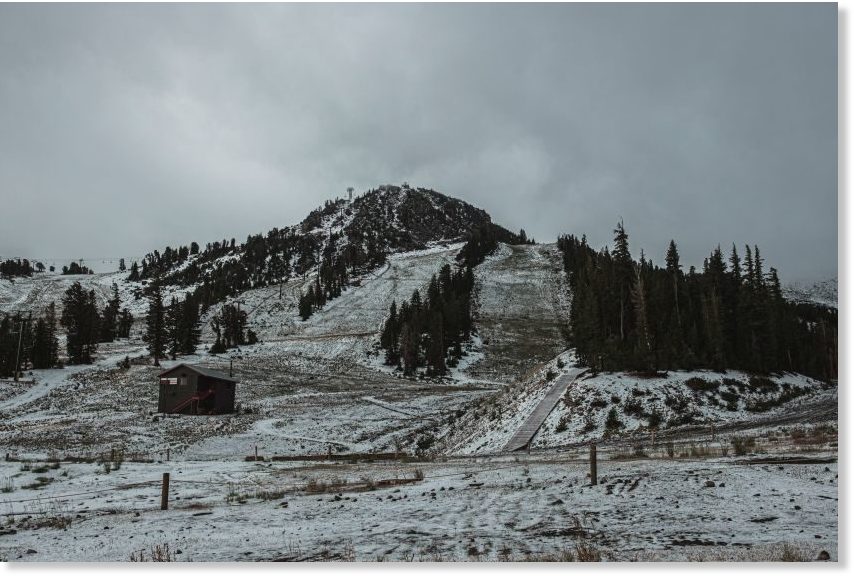
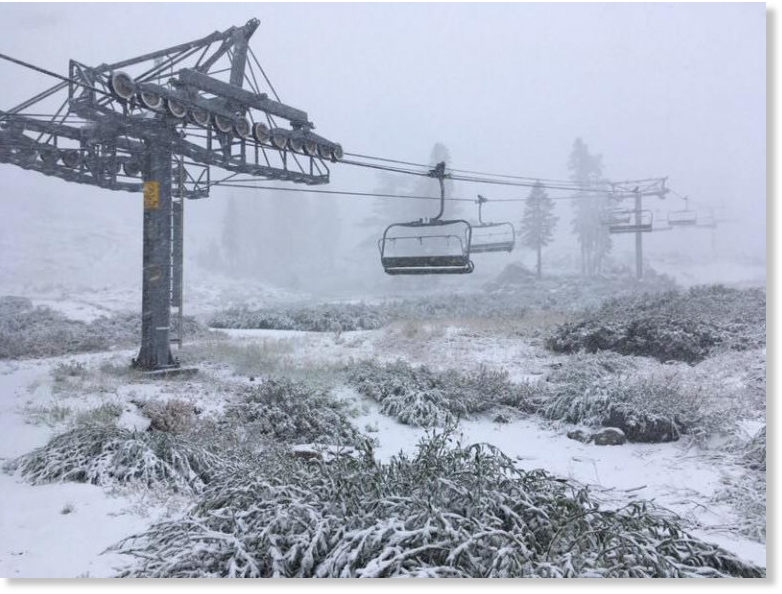
Mammoth Mountain in California gets first snow of the season after a very short summer

Mammoth Mountain gets first dusting of the season.
© Peter Morning / Mammoth Mountain ResortMammoth Mountain gets first dusting of the season.
Like a movie trailer of things to come, Mammoth Lakes got its first snow of the season early Thursday. By noon it was mostly gone, although it served as a reminder that the Eastern Sierra ski season is only seven weeks away.

Lows on Thursday night were forecast for the mid-20s, another sign that as fall begins on Monday, winter in the Sierra will be close behind. Mammoth Mountain lifts will begin to spin Nov. 9, likely with mostly machine-produced snow, courtesy of the cooler nights.

Lake Tahoe's Squaw Valley and Mt. Rose ski resorts reported snow at high elevations earlier in the week from the same system.


Attention

We've lost 3 billion birds since 1970 in North America

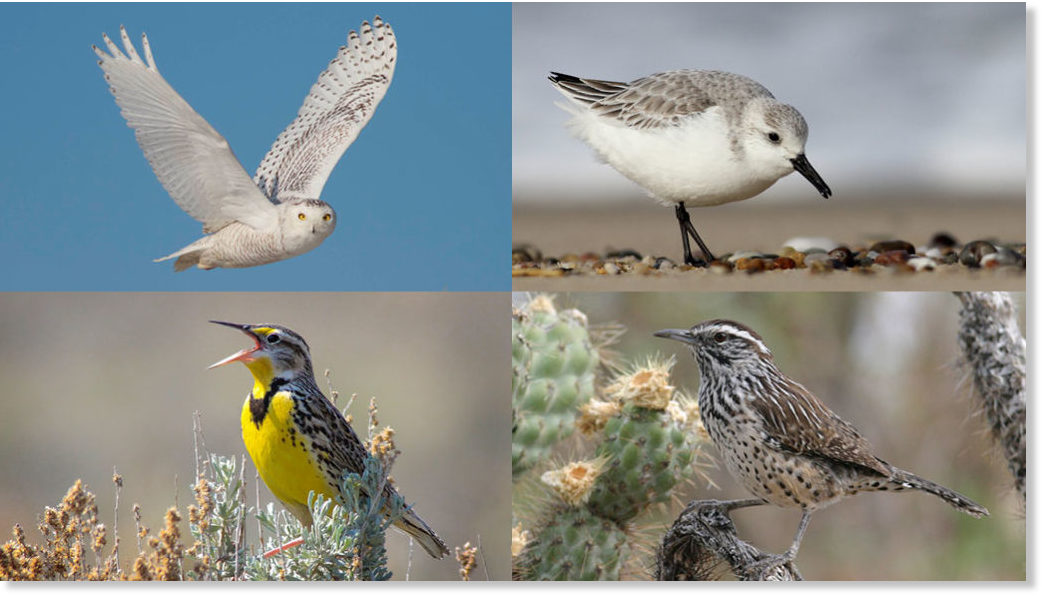
Populations of rare and common birds alike are decreasing across North America, including (clockwise from top left) snowy owls, sanderlings, cactus wrens and Western meadowlarks.
Scientists found profound losses among both rare and common birds

Nearly 3 billion fewer birds exist in North America today than in 1970.

While scientists have known for decades that certain kinds of birds have struggled as humans (and bird-gobbling cats) encroach on their habitats, a new comprehensive tally shows the staggering extent of the loss. Nearly 1 in 3 birds — or 29 percent — has vanished in the last half century, researchers report September 19 in Science.

"Three billion is a punch in the gut," says Peter Marra, a conservation biologist at Georgetown University in Washington, D.C. The loss is widespread, he says, affecting rare and common birds alike. "Our study is a wake-up call. We're experiencing an ecological crisis."


Cloud Precipitation

Tropical Depression Imelda dumps more than 40 inches of rain on Southeast Texas - 5th wettest tropical cyclone for the contiguous US

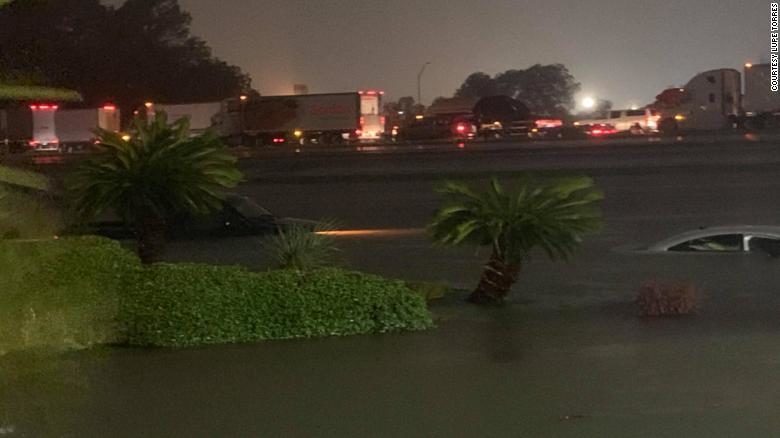
Imelda flooding
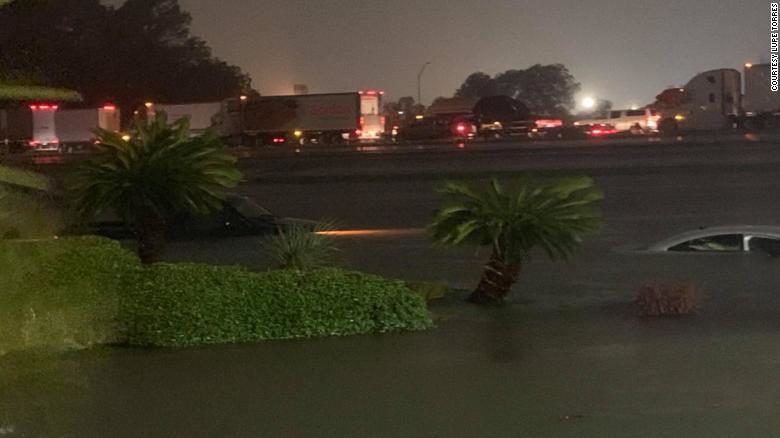
Vehicles were nearly submerged Thursday morning near the Elegante Hotel in Beaumont.

Tropical Depression Imelda might not have the same ring as Hurricane Imelda, but the impacts of the storm are for real. The National Weather Service has issued a civil emergency warning as a flooding crisis unfolds in the region rocked by Harvey's historic floods just two years ago.

Upwards of 40 inches of rain have fallen along the Texas Gulf Coast over the past 72 hours with the highest total of 41.81 inches reported so far. That makes Imelda the fifth wettest tropical cyclone to hit the Lower 48 on record, and it could rise in the record books in the coming hours.

Embedded within the heavy rainstorm totals are shocking bouts of downpours. That includes nearly 30 inches of rain falling over a 12-hour period in Mayhaw Bayou, a weather station located about 60 miles east of Houston. Multiple locations have also reported one-hour rainfall in excess of five inches, which is, meteorologically speaking, a crap-ton of rain.

The widespread heavy rain has led to dangerous flash flood conditions as creeks overflow and stormwater management systems back up. Water rescues are already underway in parts of the greater Houston area with boats using flooded out highways to reach stranded citizens. Harris County's sheriff tweeted that emergency managers were receiving a "high volume of calls for high-water rescues at homes and for stranded motorists," and things will continue to deteriorate as Imelda crawls inland.

Snowflake

Summer snow on the ground for North America this week - photo journal

A seasonally confused Squaw Valley on September 17.
© Squaw ValleyA seasonally confused Squaw Valley on September 17.
A smattering of snow has fallen across the Western U.S and Canada this week, despite the fact it's still officially summer in North America until September 23.

While there's plenty of riding left to be done down under and spring skiing is quite frankly the best, no doubt a lot of us have hung up the skis and boards and turned our attention to future trips north.

For those with their sights on North America, we've put together a quick gallery of shots taken this week which should stoke the fire and help you dream of whiter pastures.

The snow largely fell on the 16th and 17th of September, and while it's all but disappeared it's safe to say it's the first fall of many for the 2019/20 season!


Red Flag

Fake Nobel Prize - Fake Hockey Stick

michael mann
Michael Mann told the courts that he was a Nobel Prize recipient, even though he never received anything from the Nobel Prize Committee. So he forged a fake Nobel Prize certificate and put his name on it. In this video, I show how his science is just as fake as his Nobel Prize.


Attention

121 gray whales found dead this year on west coast of North America

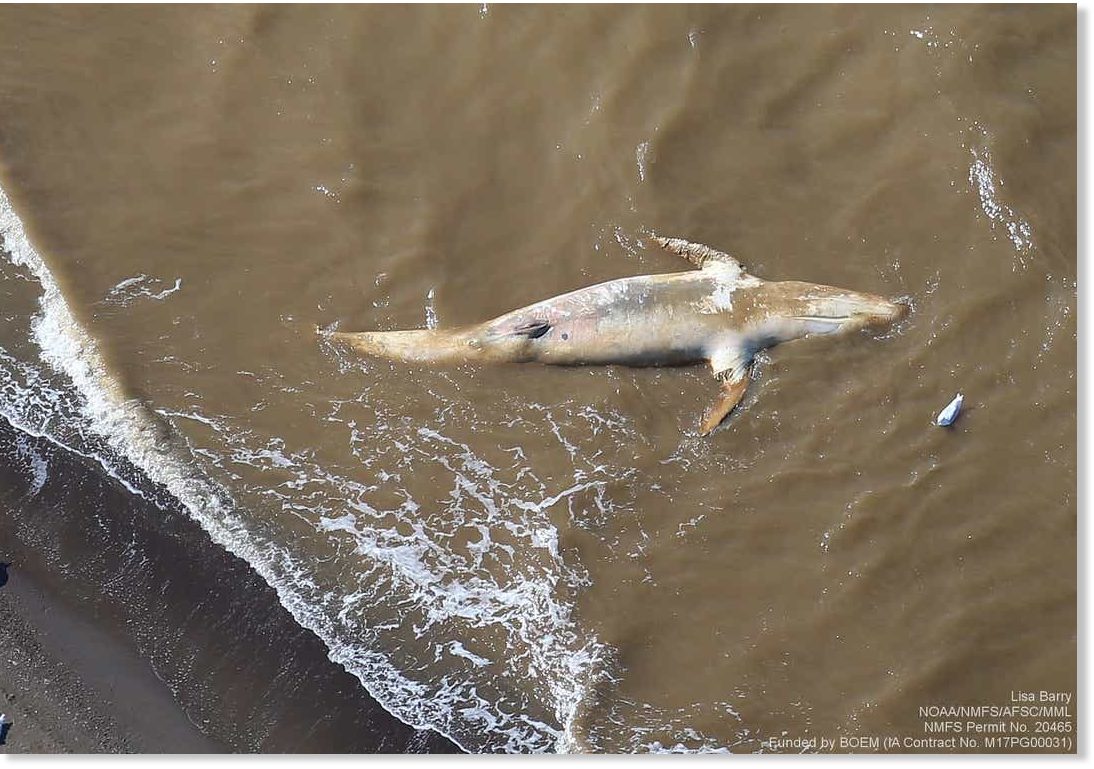
Scientists involved in the Annual Survey of Arctic Marine Mammals were able to confirm a dead gray whale about 22 miles south of Point Lay, Alaska. NOAA was first made aware of the carcass from a post on Facebook dated July 8, 2019.
© Lisa Barry, NOAA FisheriesScientists involved in the Annual Survey of Arctic Marine Mammals were able to confirm a dead gray whale about 22 miles south of Point Lay, Alaska. NOAA was first made aware of the carcass from a post on Facebook dated July 8, 2019.
Something killed 121 gray whales this spring and summer, and scientists are struggling to find out what it was.

The dead giants of the ocean washed up on West Coast beaches as they finished their annual epic migration to their winter feeding grounds between Alaska and Russia. Many were emaciated and appeared to be starving.

The near-final death count, tallied this week, makes this the second-worst year on record for gray whales, which were hunted almost to extinction in the late 1800s. It could represent as much as 10% of the species' total population.

"I wouldn't be surprised if our team comes across other carcasses," said Megan Ferguson, a fisheries biologist with the Cetacean Assessment and Ecology Program of the National Marine Fisheries Service.

Attention

Bear attacks increasing worldwide

bear
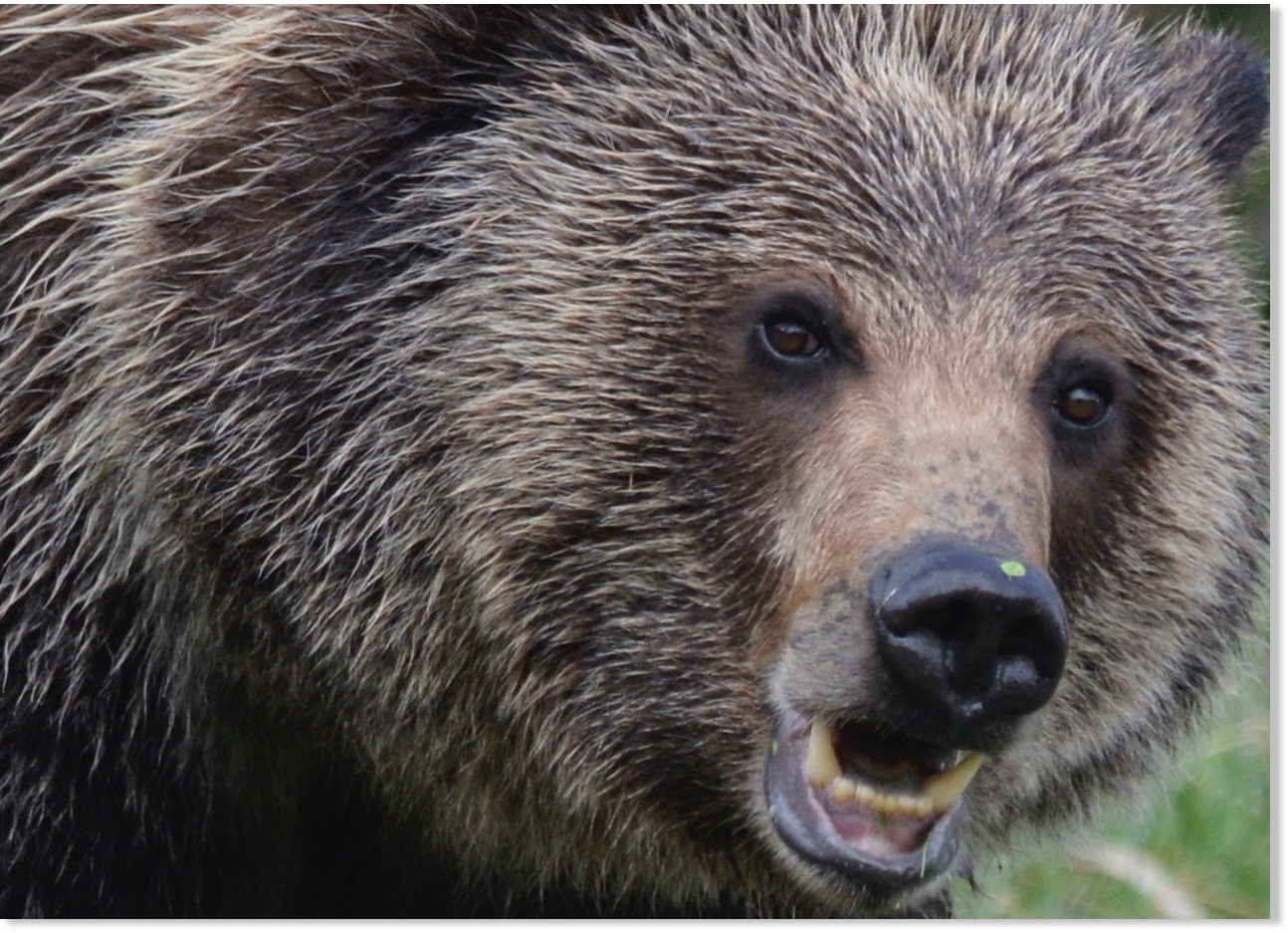
A French composer on a trip to Canada's Northwest Territories to record the sounds of nature was attacked in his tent in the middle of the night and killed by a grizzly bear earlier this month. Such an unprovoked attack is rare, according to wildlife officials, although large carnivore attacks on humans are on the increase worldwide. Grizzly bear attacks on humans in Wyoming are part of that worldwide trend.

A new paper published in the journal Scientific Reports examines brown bear attacks on humans worldwide between 2000 and 2015. The report reinforces what we already suspected: attacks have increased significantly and are more frequent at high bear and low human population densities.

Researchers tallied 664 attacks on humans during the 15-year study period, including 183 in North America, 291 in Europe, and 190 in Russia, Iran and Turkey. There were more than 60 other attacks in Japan, Nepal, and southeastern Europe in which not enough information was available for their inclusion in the analysis.

Comment: Some recent reports demonstrating the increasingly aggressive behavior shown by bears which have resulted in serious injuries and even fatalities: