Science of the SpiritS


Gift

Charles Eisenstein: The Coronation

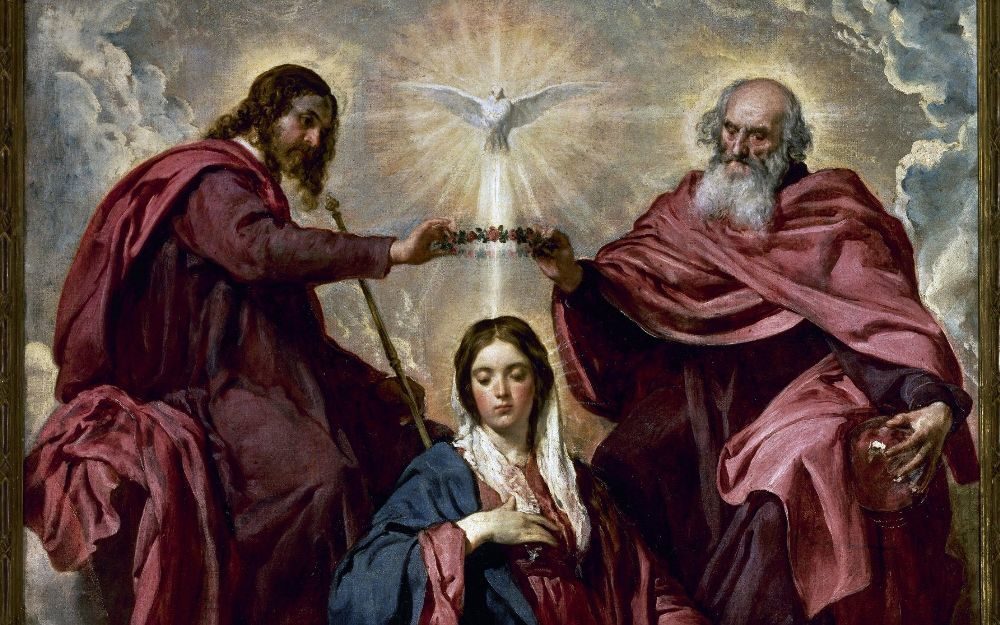
The Holy Spirit appears as a dove in Velázquez’s Coronation of the Virgin
© ALAMYThe Holy Spirit appears as a dove in Velázquez’s Coronation of the Virgin
For years, normality has been stretched nearly to its breaking point, a rope pulled tighter and tighter, waiting for a nip of the black swan's beak to snap it in two. Now that the rope has snapped, do we tie its ends back together, or shall we undo its dangling braids still further, to see what we might weave from them?

Covid-19 is showing us that when humanity is united in common cause, phenomenally rapid change is possible. None of the world's problems are technically difficult to solve; they originate in human disagreement. In coherency, humanity's creative powers are boundless. A few months ago, a proposal to halt commercial air travel would have seemed preposterous. Likewise for the radical changes we are making in our social behavior, economy, and the role of government in our lives. Covid demonstrates the power of our collective will when we agree on what is important. What else might we achieve, in coherency? What do we want to achieve, and what world shall we create? That is always the next question when anyone awakens to their power.

Covid-19 is like a rehab intervention that breaks the addictive hold of normality. To interrupt a habit is to make it visible; it is to turn it from a compulsion to a choice. When the crisis subsides, we might have occasion to ask whether we want to return to normal, or whether there might be something we've seen during this break in the routines that we want to bring into the future. We might ask, after so many have lost their jobs, whether all of them are the jobs the world most needs, and whether our labor and creativity would be better applied elsewhere. We might ask, having done without it for a while, whether we really need so much air travel, Disneyworld vacations, or trade shows. What parts of the economy will we want to restore, and what parts might we choose to let go of? Covid has interrupted what looked to be like a military regime-change operation in Venezuela - perhaps imperialist wars are also one of those things we might relinquish in a future of global cooperation. And on a darker note, what among the things that are being taken away right now - civil liberties, freedom of assembly, sovereignty over our bodies, in-person gatherings, hugs, handshakes, and public life - might we need to exert intentional political and personal will to restore?

For most of my life, I have had the feeling that humanity was nearing a crossroads. Always, the crisis, the collapse, the break was imminent, just around the bend, but it didn't come and it didn't come. Imagine walking a road, and up ahead you see it, you see the crossroads. It's just over the hill, around the bend, past the woods. Cresting the hill, you see you were mistaken, it was a mirage, it was farther away than you thought. You keep walking. Sometimes it comes into view, sometimes it disappears from sight and it seems like this road goes on forever. Maybe there isn't a crossroads. No, there it is again! Always it is almost here. Never is it here.

Now, all of a sudden, we go around a bend and here it is. We stop, hardly able to believe that now it is happening, hardly able to believe, after years of confinement to the road of our predecessors, that now we finally have a choice. We are right to stop, stunned at the newness of our situation. Of the hundred paths that radiate out in front of us, some lead in the same direction we've already been headed. Some lead to hell on earth. And some lead to a world more healed and more beautiful than we ever dared believe to be possible.

I write these words with the aim of standing here with you - bewildered, scared maybe, yet also with a sense of new possibility - at this point of diverging paths. Let us gaze down some of them and see where they lead.

Clipboard

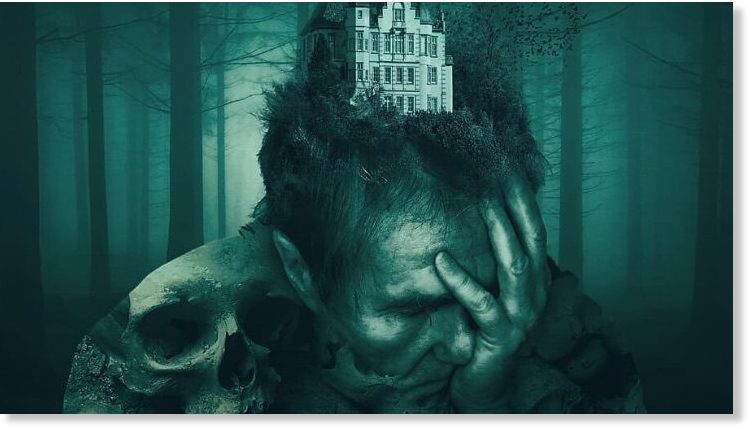
14 Ways to improve mental health during the world's biggest psychological experiment

Mental Health
Try to stay mindful, fully present in the here-and-now, and enjoy the silence. For this, too, will pass.

What we were warned about but turned a blind eye to and did not expect in the Western world to this extent, happened: we found ourselves in the midst of a pandemic.

Social distancing, quarantine and hygienic practices are essential behavioural methods in such times to reduce spreading of the new virus and mortality. But these precautionary measures, whether imposed or consciously chosen to protect ourselves and the persons at risk against the coronavirus, could be challenging for us humans as we are social beings. They can be particularly tough to those who are prone to anxiety and depression.


Comment: No, the above are not "essential behavioural methods" given what we now know about Covid-19 - and the hype that surrounds it. But as long as we are compelled, for various reasons, to stay home most of the time, the following suggestions can ameliorate whatever strain one is experiencing greatly...


Still, solitude should not mean loneliness and has also its positive sides. Here is some practical advice on how to cope with the challenges we may face during quarantine or a lockdown and what we can proactively do for our mental health. In the present distress, some of these things we used to take for granted might sink into oblivion.

Comment: And a few more suggestions:

Éiriú Eolas - The revolutionary breathing and meditation program


As well as:

Welcome these hard times like a Stoic

The healing power of an attitude of gratitude


Books

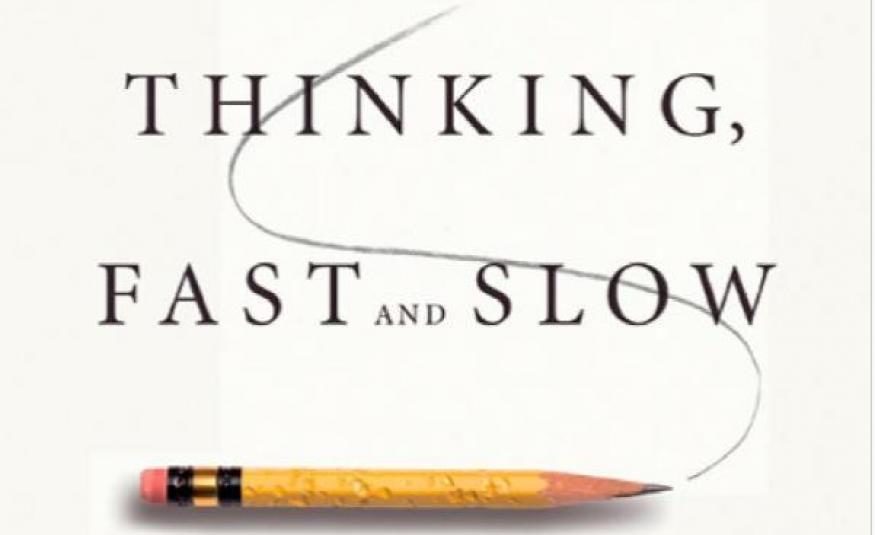
What I learned from Kahneman's "Thinking Fast and Slow"

Thinking Fast and Slow
© mudamasters.com
I recently finished reading Thinking Fast and Slow, a book on behavioral psychology and decision-making by Daniel Kahneman. This book contains some profoundly important concepts around how people make decisions. It will help you understand why humans sometimes make errors in judgement, and how to look for signs that you yourself may be about to make a System 1 error. Here are some of the most important take-aways from the book.

We have a Two System way of thinking — System 1 (Thinking Fast), and System 2 (Thinking Slow).

System 1 is the intuitive, "gut reaction" way of thinking and making decisions. System 2 is the analytical, "critical thinking" way of making decisions. System 1 forms "first impressions" and often is the reason why we jump to conclusions. System 2 does reflection, problem-solving, and analysis.

We spend most of our time in System 1.

Most of us identify with System 2 thinking. We consider ourselves rational, analytical human beings. Thus, we think we spend most of our time engaged in System 2 thinking.

Comment: See also: Two brains running: Thinking fast and slow


Brain

Can loved ones in a coma hear us?

Woman in a coma
© Shutterstock
In a recent podcast, "Michael Egnor on Whether People in Comas Can Think," Robert J. Marks discusses with neurosurgeon Michael Egnor a difficult question many of us have had to ask: Am I heard? Or am I just doing this for myself? What can recent research tell us? A partial transcript follows. [Audio of the full interview can be found here.]

Can you still think in a coma?

Robert J. Marks (right): If you're in a coma, can you still think? What does neuroscience say?

Michael Egnor: First, people usually take "coma" to mean that a peron has no meaningful interaction with their environment. And there is a condition called persistent vegetative state which is thought to be the deepest level of coma. It's not brain death because brain death means actual death. But it's the closest thing there is to brain death. It's a state in which it's been assumed that a person has absolutely no subjective experience. There is no first-person experience; you don't dream, you don't feel anything, you don't think anything. You're just not really there.

Robert J. Marks: But I assume there's still brain activity going on, right?

Michael Egnor: Yes, people in a persistent vegetative state can breathe, they can control their heart rate, things like that. But basically, they've been thought of as a vegetable, that is, as a human body without a mind, and that's been the assumption for persistent vegetative state.

SOTT Logo Radio

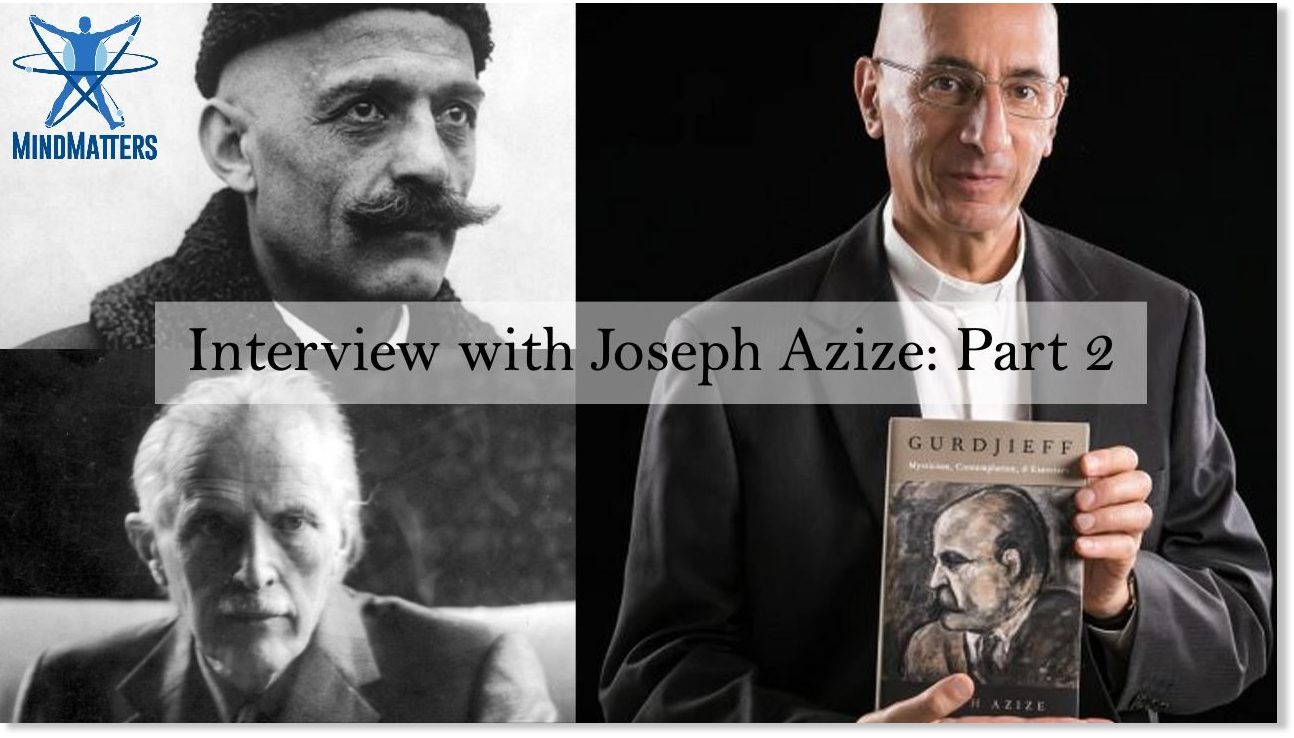
SOTT Focus: MindMatters: Interview with Joseph Azize Pt. 2: The Usefulness of Gurdjieff's Teachings For Our Times

gurdjieff azize
Delving deeper into some of G.I. Gurdjieff's ideas and practices, we continue our discussion with Father Joseph Azize, author of the recently published book Gurdjieff: Mysticism, Contemplation, & Exercises. Among a broad range of related topics covered, Fr. Azize describes the esoteric dynamics of prayer as it relates to the "Four Ideals" exercises and the types of impressions that we may access and 'digest' as a result. The detrimental effects of 'negative emotions' are also examined - as they relate to the growing irrationality that surrounds us, and the necessary work of growing one's consciousness and conscience to counter these manifestations for one's self, and for others. Further to this is an increased awareness of one's own thinking and feeling centers and how strengthening these 'bodies' plays such a large part in the growth of an individual.

On today's MindMatters we look back to the remaining fragments of G.I. Gurdjieff's teachings and exercises so that they may not be lost to obscurity, and forward, because this time we're living in necessitates their use. In addition to these issues, Fr. Azize speaks of his own synthesis of these ideas regarding his work in the priesthood and the Christian tradition. Finally, a brief but informed survey of some other important Gurdjieff books. In these times of accelerated change, what if anything can Gurdjieff's work do to assist us in our response to it, and our working on ourselves?


Running Time: 01:04:53

Download: MP3 — 59.4 MB


Caesar

Welcome these hard times like a Stoic

reading by fireplace
We might all be quarantined for a while. There are worse uses of your time than reading the Stoics

People around the world are feeling rudderless and adrift. There's conflicting information about the pandemic - but it's not just about health. People losing work, feeling frightened, being isolated at home, worried about their loved ones and wondering about getting basic supplies.

We all must make ethical decisions in this pandemic. Should I take that second pack of toilet paper for my family, or leave it for the next? Should essential workers stay home to protect themselves?

Responses are varied. Some people are showing grace under pressure. Some are responding with shock or panic, others seem to be wilfully ignoring the situation. Many have never experienced this type of crisis before, others are finding their traditional roadmaps breaking down: churches empty, political leaders losing trust, supermarkets ransacked, neighbours "sheltering in place" behind closed doors.

The more we read, the more anxious we become.

Stoicism is an ancient tool for remaining calm in adversity. Often dumbed down to refer to having a stiff upper lip, or emotional reserve, Stoicism is actually a deep philosophical framework, useful in providing an ethical scaffold for both everyday life and in times of difficulty.

SOTT Logo Radio

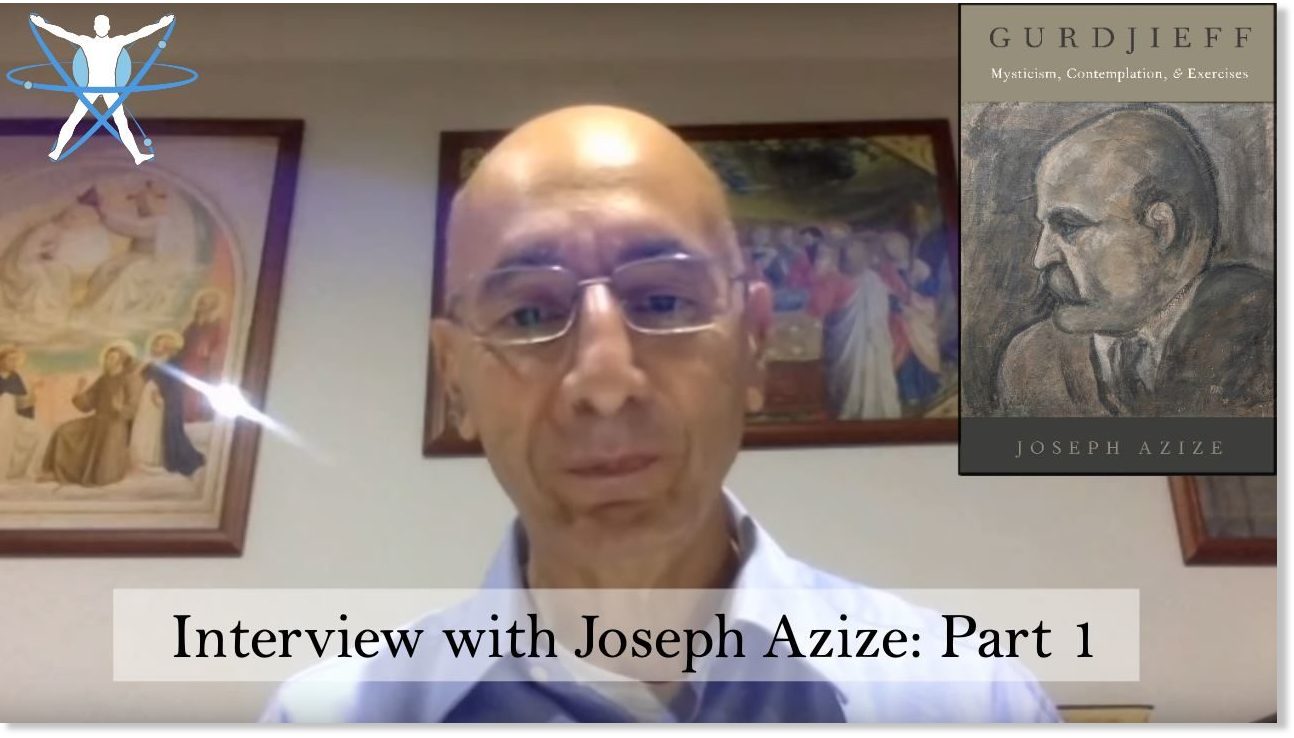
SOTT Focus: MindMatters: Interview with Joseph Azize Pt. 1: Gurdjieff, Mysticism, Exercises

joseph azize
For several decades, numerous books and explications have been published on the profoundly insightful philosophy and teachings of G.I. Gurdjieff. Some were written by the man himself, and many by those who worked with him. But while Gurdjieff himself included a few of the guided exercises that formed a major part of the actual practice of his ideas in Life Is Real Only Then, When "I Am", until recently no other book has focused on these exercises, which are designed to bring those practicing them to a greater state of self-awareness and 'conscious evolution'.

Though the exercises have been carried on by some, many have fallen out of practice, been forgotten, altered, or replaced by exercises Gurdjieff never taught. And there has been a reluctance to share with those not directly part of these groups - leaving few, if any, outside of these organizations with the knowledge of their practice. This has now changed. In his new book, Gurdjieff: Mysticism, Contemplation, & Exercises, Father Joseph Azize has lifted the veil of secrecy surrounding the great mystic's direct approaches to helping individuals grow, including all the previously published exercises in addition to several previously unpublished and at risk of being forgotten. Azize's book is the first to be devoted exclusively to the exercises and their extensive analysis.

On this week's MindMatters, we speak with Father Joseph Azize not only about his own time working with some of Gurdjieff's students, but also about his decision to go forward with his book, and what he feels is the true value of this newly shared information. We also get to discuss what this long-time practitioner thinks are some of the most essential aspects of the human condition - after many years of distilling the information for his own growth and vocation.

Part 2 is coming next week.


Running Time: 00:59:13

Download: MP3 — 54.2 MB


Black Magic

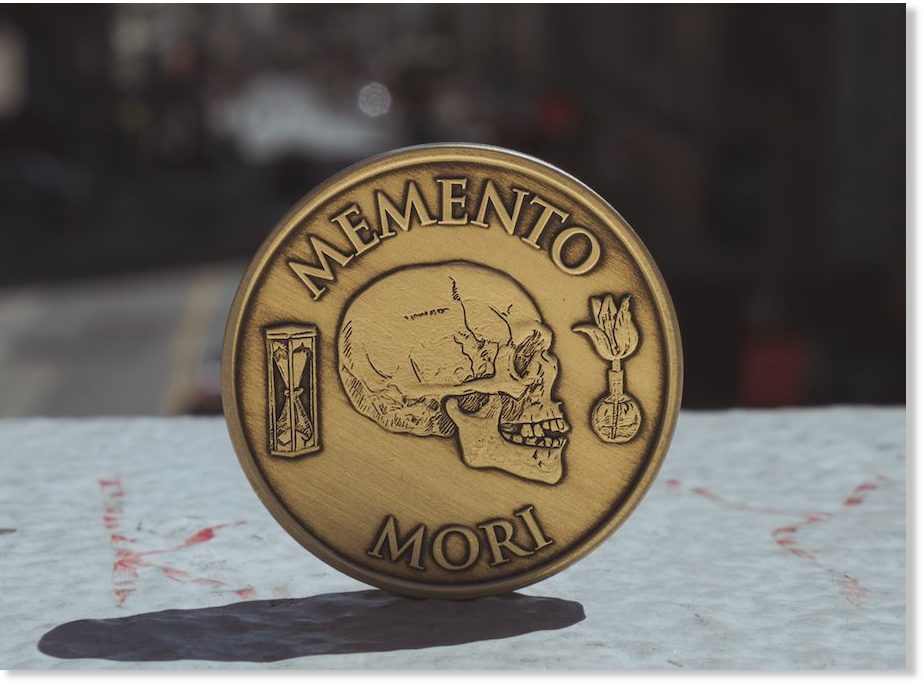
Best of the Web: Memento mori, or love in the age of corona

memento mori
In recent weeks, I've learned not to post anything on Facebook, because people decide I'm a hater if I so much as suggest that there might be another metric worth considering besides the coronavirus mortality rate. So I won't open that can of worms here, except to say that risk management entails looking at a variety of factors, not exclusively public health. The strength of the economy, the stability of society, the prevalence of psychological illness, and the death tolls of other diseases - all these are relevant factors to take into account. A purely epidemiological approach is necessarily narrow-minded. It doesn't do us much good to save, say, one thousand lives from COVID-19 if we've condemned our nation to a decade or more of grinding poverty. Chronic unemployment, bankruptcy and foreclosure, the loss of businesses and the lifetime of effort they represent ... these are not trivial outcomes. And they do have public health consequences. Look at the epidemic of opioid addiction among the chronically unemployed in the Rust Belt.

This too shall pass, though it may leave a Great Depression in its wake. (And those who believe that economic numbers are "only statistics," as I've been told very heatedly online, will soon learn how real these statistics can be.)

What interests me, in the context of this blog, is that vast numbers of people in the Western world seem absolutely flabbergasted to discover that they are, in fact, mortal. The reality of their own demise evidently had never been quite clear real to them before, and now fills them with existential dread.

SOTT Logo Radio

SOTT Focus: MindMatters: The Hidden Psychological Depth of Star Wars: Revenge of the Sith

anakin skywalker
The tragic fall that started it all... Darth Vader: we're all familiar with the hulking half-man half-machine embodiment of inhuman domination, brutal ambition and a malevolent will to rule the galaxy with a robotic fist - as portrayed in the very widely seen and loved Star Wars series. But as we look back at what made these almost mythical stories great to begin with, we are reminded of who this character was before he became such a powerful agent of the dark side. As shown in the Star Wars prequels, and particularly in the mostly-overlooked film, Episode III: Revenge of The Sith, we learn that the person who was to become Darth Vader, Anakin Skywalker, was first a Jedi, a prodigious and sincere student of the force, and one of a number of warrior priests who sought to protect the republic and fight for the side of the greater good.

On this week's MindMatters we take a look into Anakin's 'darkened mind' and the emotional and psychological processes he underwent that fueled his tragic descent to become Darth Vader, as well as the excellent portrayal of Palpatine's manipulation of confused Anakin's young mind. Revenge of the Sith may be one of the most relevant of the Star Wars movies for this very reason: in the context of a cosmic 'space opera', it teaches some all-important lessons on how our human frailties, worst instincts and egotistical natures can be played upon - and grown - to allow for some truly horrendous consequences. And may the force be with you, dear listener. Always.


Running Time: 01:05:21

Download: MP3 — 59.8 MB


Heart

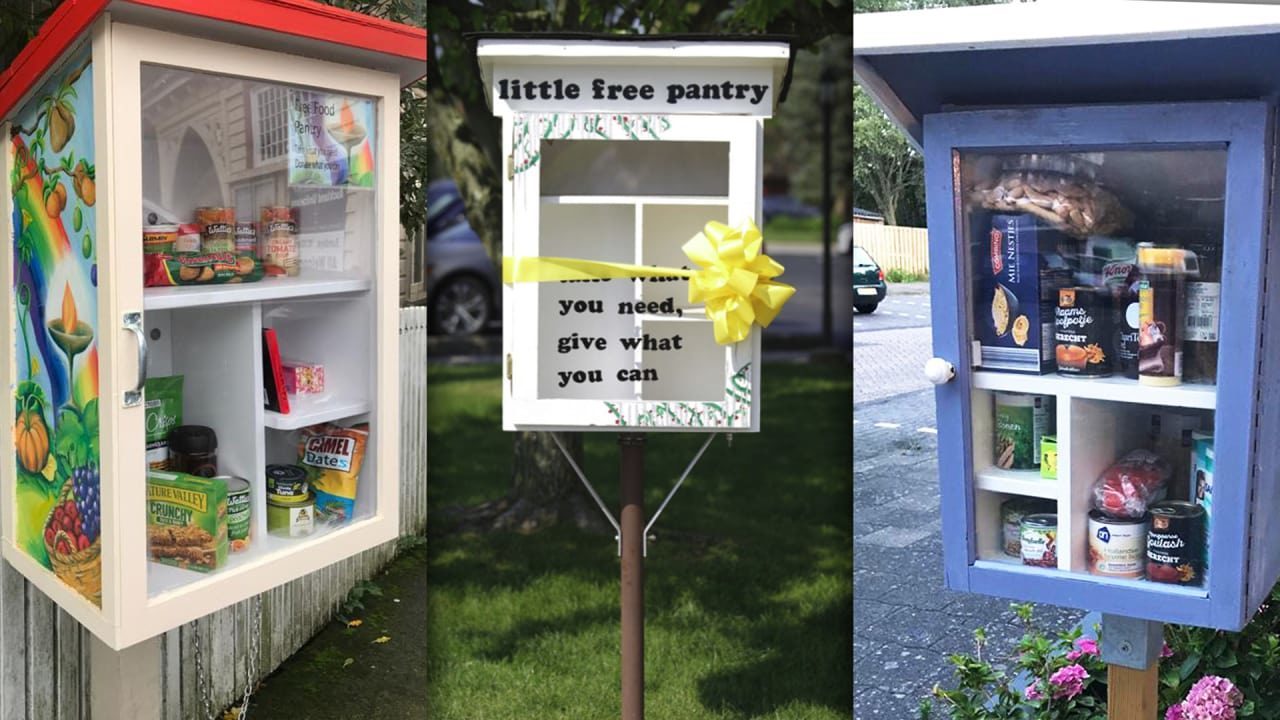
People are now stocking Little Free Libraries with toilet paper and food for neighbors in need

Little Free Pantries
There are more than 75,000 registered Little Free Libraries around the world — and people are now converting them into Little Free Pantries for their communities during the COVID-19 crisis.


Comment: A wonderful example of our built-in capacity for caring and the need for human connection!!