Scientists analyzed stone tools to find out more about the early days of rice gathering.
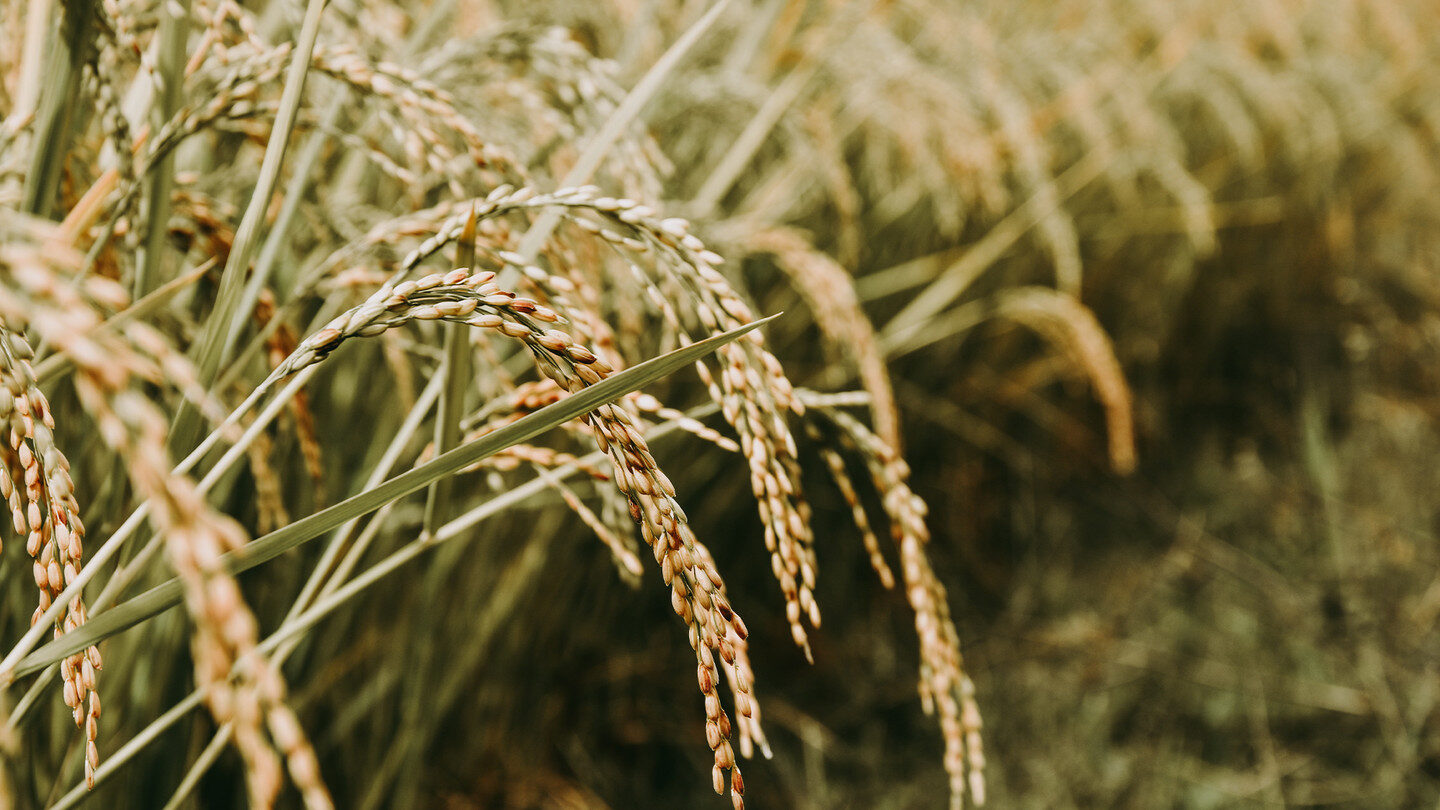
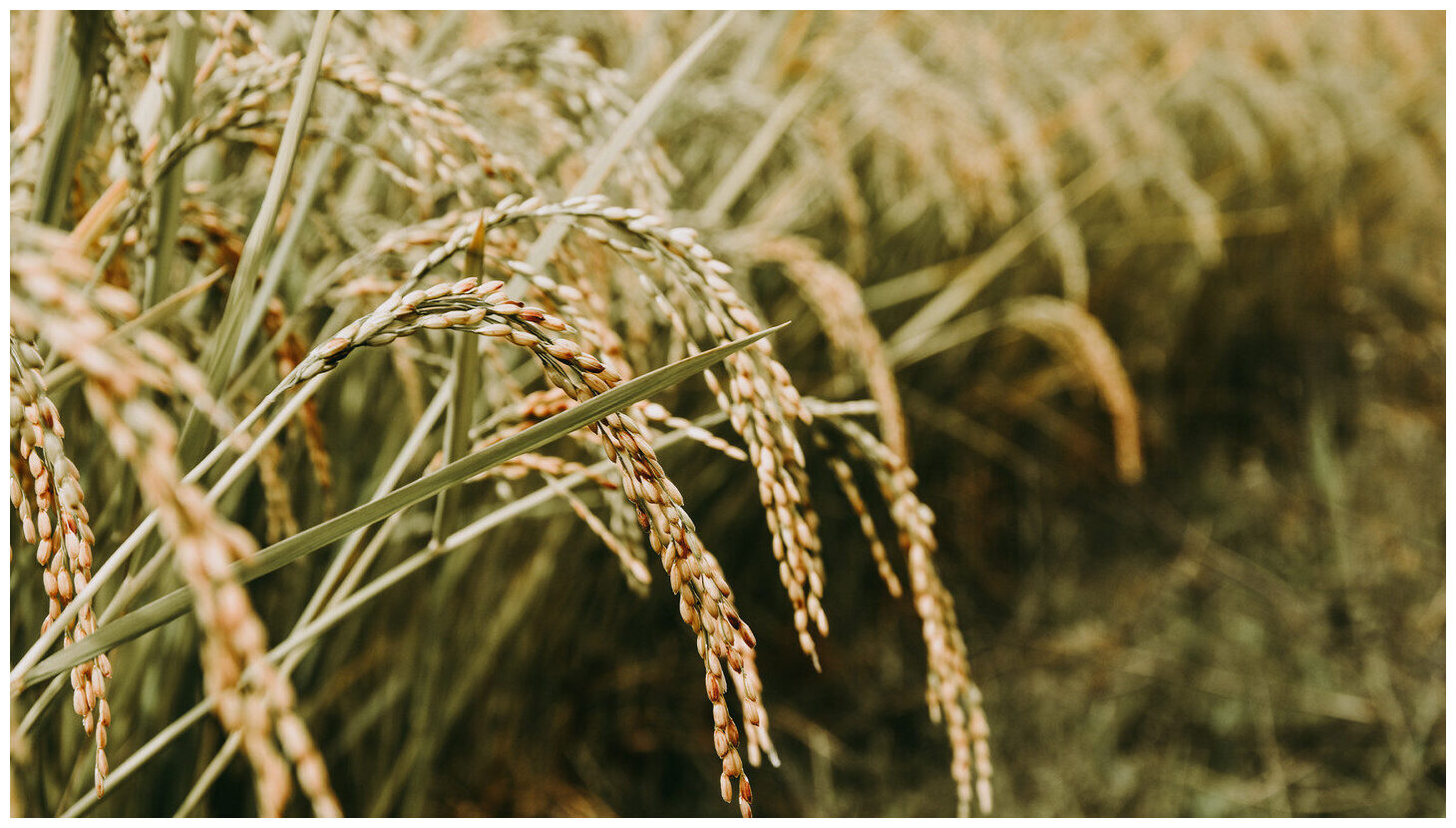
© Sandy Ravaloniaina/UnsplashRice plants growing.
It's a starchy staple that goes well with all types of meat, vegetables, and can even be made into some
tasty desserts. Rice is caloric, typically low-cost to produce, a great source of fiber and vitamins in its whole grain form, and there are
more than 40,000 varieties of it around the world.
Rice is a staple crop for multiple countries and regions and some new research is shedding light onto just how long humanity's love of the grain goes back. A study
published yesterday in the journal PLOS ONE details the analysis of
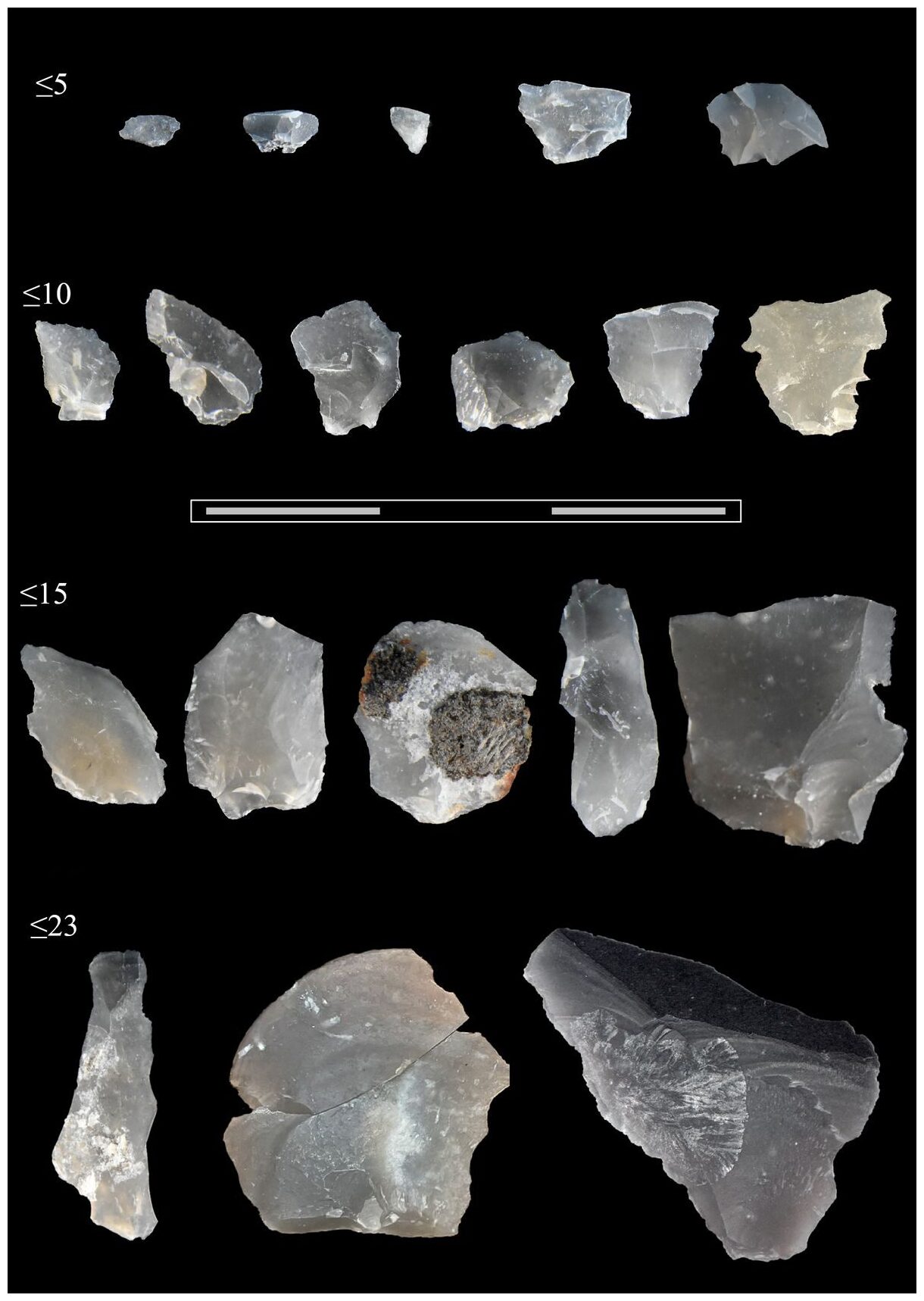
stone tools from southern China, that provide the earliest evidence of rice harvesting. The tools show that harvesting the grain could have begun as early as 10,000 years ago.In the study, the team identified two distinct methods of harvesting rice, which helped start centuries of rice domestication.
Wild rice naturally sheds its ripe seeds, which shatter on the ground when they mature.
Cultivated rice stay on the plants when they mature.
Some sort of tool would have been needed to harvest rice, and the tool usage meant that early rice cultivators were selecting the seeds that primarily stay on the plants. Over time, the proportion of seeds that remain on the plants increased, resulting in domestication.
"For quite a long time, one of the puzzles has been that harvesting tools have not been found in southern China from the early
Neolithic period or New Stone Age (10,000 - 7,000 BCE) — the time period when we know rice began to be domesticated," said lead author Jiajing Wang, an assistant professor of anthropology at Dartmouth,
in a statement. "However, when archaeologists were working at several early Neolithic sites in the Lower Yangtze River Valley, they found a lot of small pieces of stone, which had sharp edges that could have been used for harvesting plants."
The team's early hypothesis was that some of those small stone pieces were tools that harvested rice, which the results confirm.











Comment: See also: The Seven Destructive Earth Passes of Comet Venus
And check out SOTT radio's: Behind the Headlines: Who was Jesus? Examining the evidence that Christ may in fact have been Caesar!