The ancient stronghold is believed to be part of the lost city of Natounia.
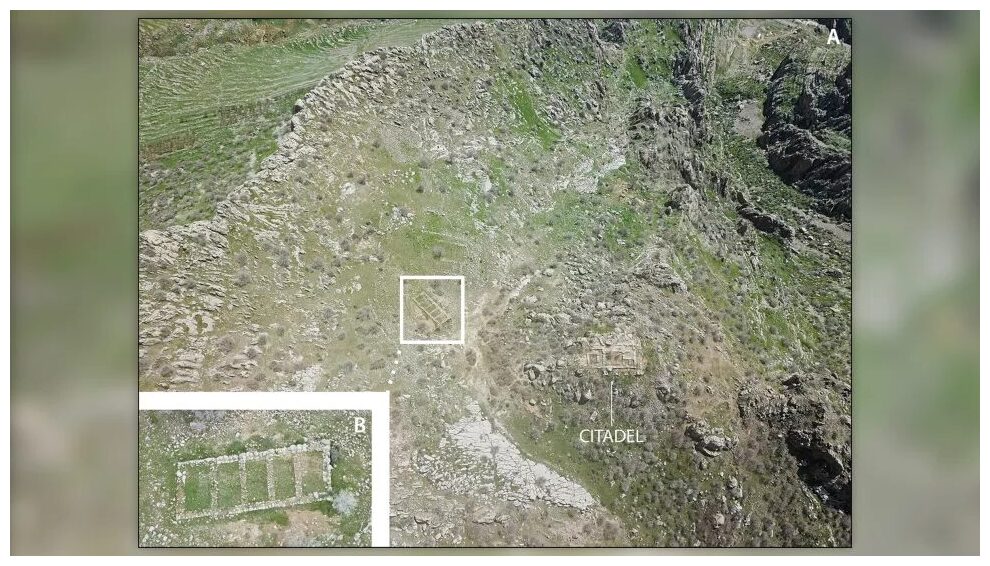
Nestled in a valley shadowed by mountains in Iraqi Kurdistan sits an ancient fortress that archeologists think may be the lost, royal city of Natounia, based on the discovery of intricately carved rock reliefs depicting an ancient leader, a new study finds.
The stronghold, known as Rabana-Merquly, was once part of the Parthian Empire (also known as the Arsacid Empire), which
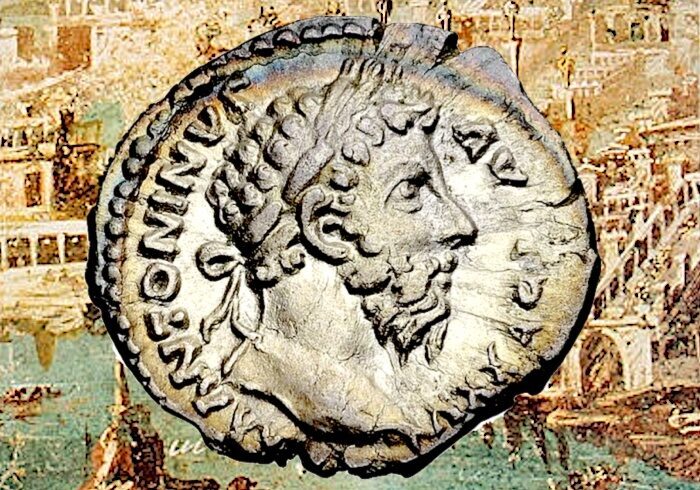
reigned(opens in new tab) between 247 B.C. and A.D. 224. The Parthians were bitter enemies of the
Roman Empire, and fought various battles against them for over
250 years(opens in new tab). Now, new research at this 2,000-year-old fortress suggests that it served as one of the empire's regional centers.
During a recent expedition, an international team of archeologists discovered
twin rock reliefs(opens in new tab) at the two entrances to the settlement, which is situated at the base of Mount Piramagrun in the Zagros Mountains. The matching reliefs are said to depict a king of Adiabene, a kingdom that was part of the Parthian Empire, according to researchers.
"Based on the dress of the figure, in particular his hat, we think that the fortress was built by the ruling dynasty of Adiabene close to the kingdom's eastern border," study lead researcher Michael Brown, a researcher at the Institute of Prehistory, Protohistory and Near-Eastern Archaeology of Heidelberg University in Germany, told Live Science in an email. "The twin rock reliefs are rare examples of near life-size monuments of rulers from the Parthian period, and they allow us to link the fortress with those who built it."
He added, "Both reliefs are located immediately next to the two gated entrances and were clearly designed to make a political statement — they can be characterized as ancient propaganda."












Comment: