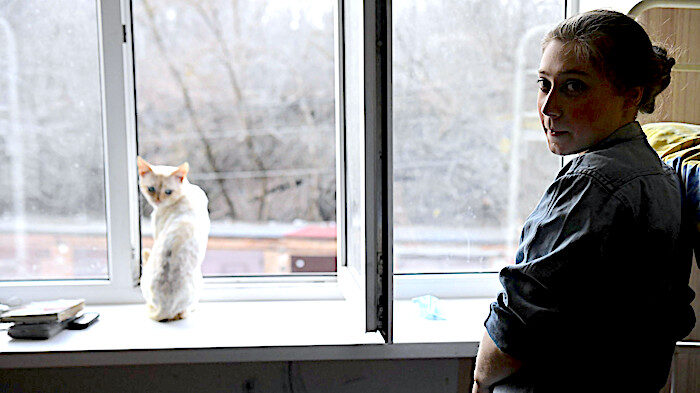
© Sputnik/Maksim BogodvidTemporary accommodation facility for residents of the Donetsk and Luhansk People's Republics at a building of Don State Technical University, in Rostov-on-Don, Russia.
Just a few days before Russia launched its special military operation on the territory of Ukraine, the heads of the then-unrecognized Donbass breakaway republics reported publicly that tensions were rising and called for the evacuation of the civilian population. Since the start of the offensive,
Russia has reportedly accepted around 200,000 people from the republic, while the UN estimates the total number of people fleeing Ukraine at over 2 million people.A lot have been accommodated in
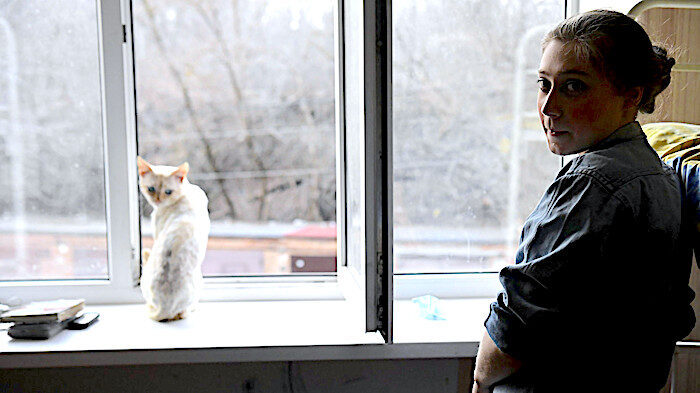
Rostov Region bordering the Donetsk People's Republic (DPR). Local hotels are used for shelter, and food and supplies keep coming through the humanitarian effort. I got in touch with one of the organizations helping with the refugee program and have been able to interview a number of people in a hotel located on the left bank of the Don River. This is where you can meet women and children who fled from the war that tore up their homes.
Natalya is from Gorlovka, a town not far from the city of Donetsk. Gorlovka, as is well known, was the sight of the most gruesome and devastating battles a few years ago. On the morning of the interview, I was looking through the reports, and they made it clear that both Donetsk and the surrounding areas were again an active war zone that
even most war reporters were no longer allowed to enter. As we talk, Natalya keeps drinking coffee, smoking one cigarette after another, and trying to keep in check a sturdy boy of about five years old. Natalya is here with her younger son and a grandson. Her husband, who serves with the DPR People's Militia, thought it best to send them away to a safer place.











Comment: See also: