
FILE:
Europe has only a fraction of the air defence capabilities needed to protect its eastern flank, according to Nato's own internal calculations, laying bare the scale of the continent's vulnerabilities.
Russia's war against Ukraine has underscored the importance of air defence, as Kyiv begs the west for additional systems and rockets to protect its cities, troops and energy grid against daily bombing raids.
But according to people familiar with confidential defence plans drawn up last year,
Nato states are able to provide less than 5 per cent of air defence capacities deemed necessary to protect its members in central and eastern Europe against a full-scale attack.
Comment: See also:
Russian President Vladimir Putin commented on the statements by Jens Stoltenberg and other Western officials about missile strikes on targets inside Russia
"With regard to the strikes, frankly, I am not sure what the NATO Secretary General is talking about. If he is talking about potentially attacking Russia's territory with long-range precision weapons, he, as a person who heads a military-political organisation, even though he is a civilian like me, should be aware of the fact that long-range precision weapons cannot be used without space-based reconnaissance. This is my first point.
My second point is that the final target selection and what is known as launch mission can only be made by highly skilled specialists who rely on this reconnaissance data, technical reconnaissance data. For some attack systems, such as Storm Shadow, these launch missions can be put in automatically, without the need to use Ukrainian military. Who does it? Those who manufacture and those who allegedly supply these attack systems to Ukraine do. This can and does happen without the participation of the Ukrainian military. Launching other systems, such as ATACMS, for example, also relies on space reconnaissance data, targets are identified and automatically communicated to the relevant crews that may not even realise what exactly they are putting in. A crew, maybe even a Ukrainian crew, then puts in the corresponding launch mission. However, the mission is put together by representatives of NATO countries, not the Ukrainian military.
So, these officials from NATO countries, especially the ones based in Europe, particularly in small European countries, should be fully aware of what is at stake. They should keep in mind that theirs are small and densely populated countries, which is a factor to reckon with before they start talking about striking deep into the Russian territory. It is a serious matter and, without a doubt, we are watching this very carefully."
Pepe Escobar
SputnikThu, 30 May 2024 16:33 UTC
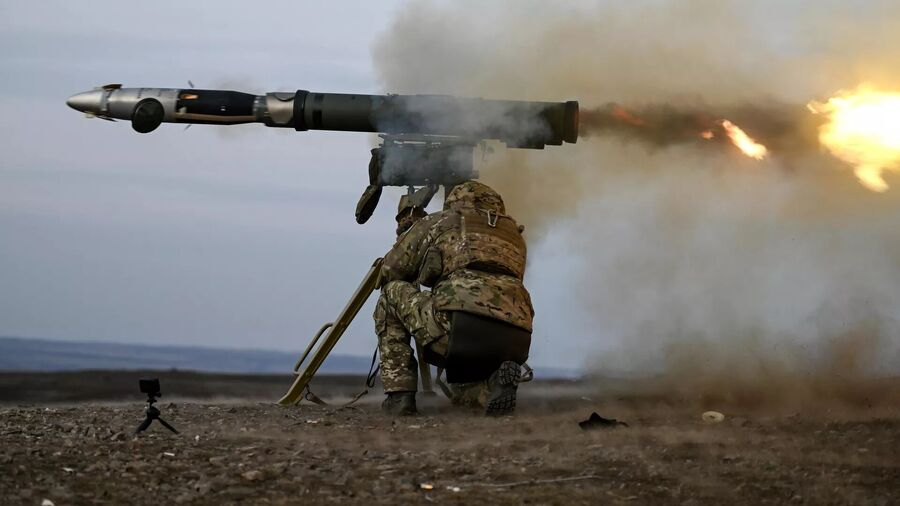
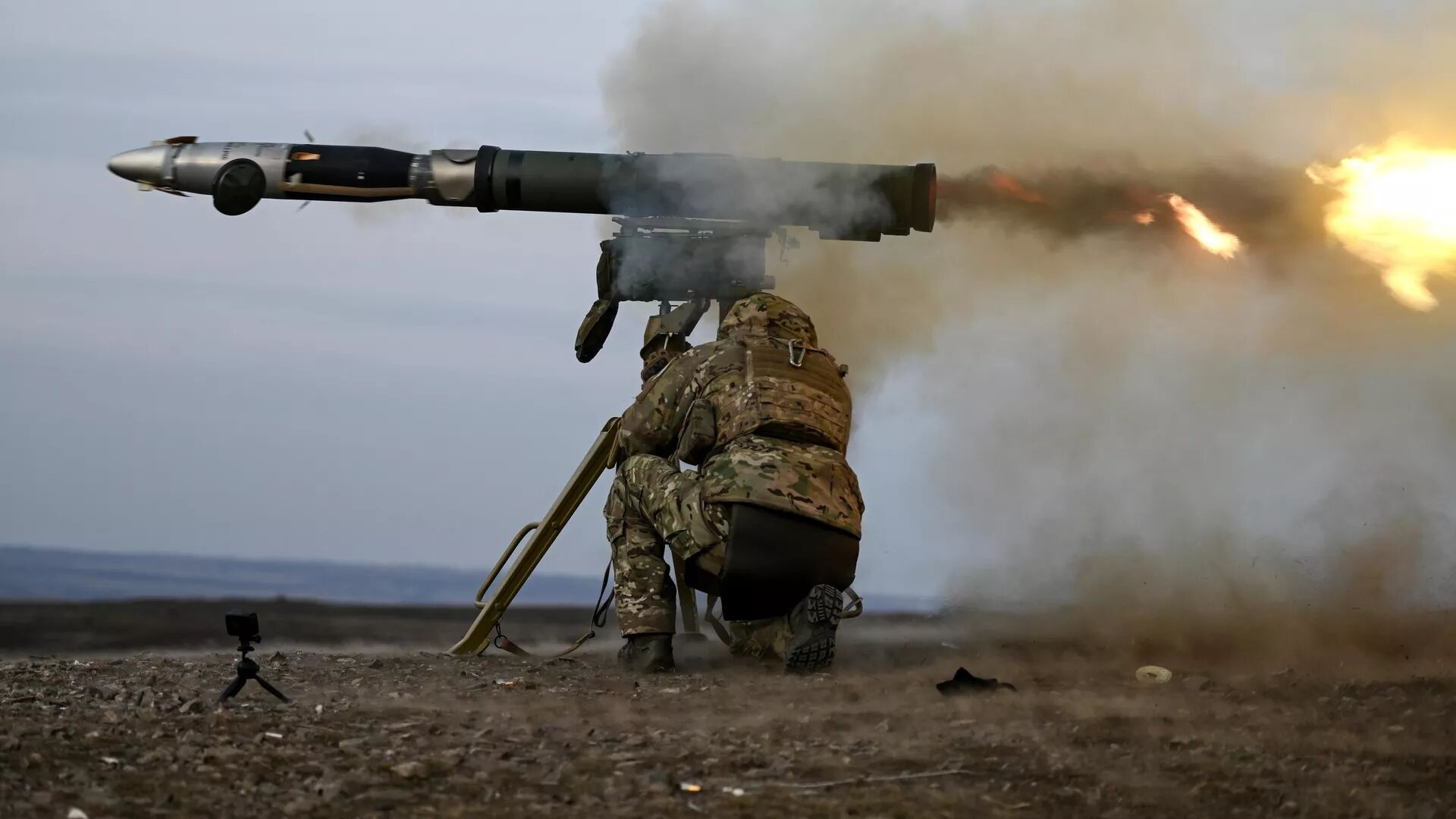
© Stanislav Krasilnikov/SputnikFILE: A Russian serviceman of the Central Military District fires a Kornet anti-tank guided missile from a launcher during a training in the Avdiivka sector of the front line amid Russia's military operation in Ukraine, Russia. Ukraine lost over 35,000 troops in May - Moscow Kiev has intensified attacks on Russian civilian infrastructure due to battlefield failures, Defense Minister Andrey Belousov has said.
The warning by President Putin could not be starker:
"In the event of the use of long-range weapons, the Russian Armed Forces will again have to make decisions about expanding the sanitary zone further (...) Do they want global conflict? It seemed they wanted to negotiate [with us], but we don't see much desire to do this."
Kremlin spokesman Dmitry Peskov then came up with the appropriate metaphor to designate NATO's ramped-up military outbursts: not only NATO is raising the degree of escalation but delving into a warlike "ecstasy".
It does not get more serious than that. "They", as Putin alluded to, do seem to want "global conflict". That's at the heart of NATO's new suicidal "ecstasy" strategy.
For all their circumlocutions, NATO Secretary
Jens Stoltenberg, French President Emmanuel Macron, and German Chancellor Olaf Scholz have effectively greenlighted Kiev using Western weapons for attacks deep inside the Russian Federation. The alleged debate, still ongoing, is just a "smokescreen" for the real objective: a pretext that could lead to WWIII.
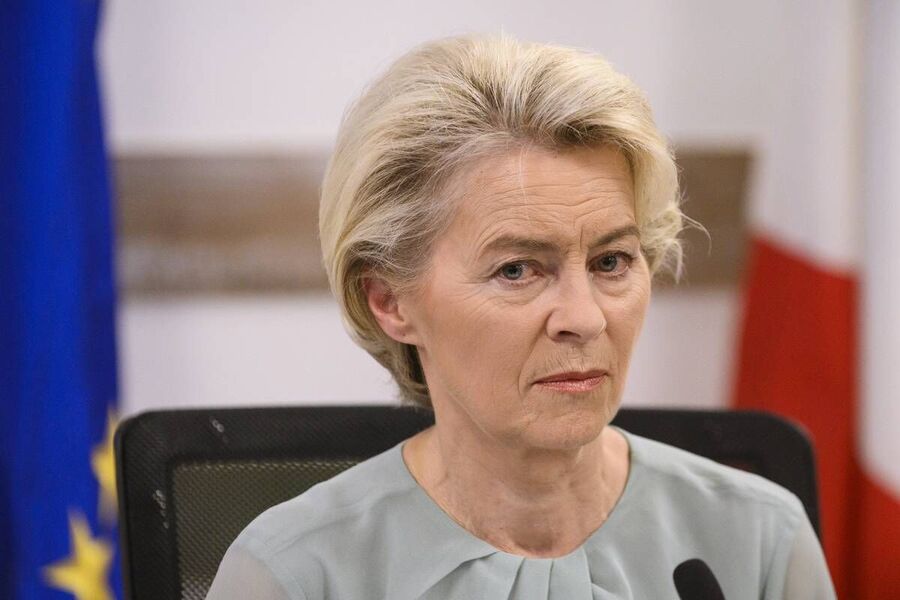
© Valeria Ferraro – Anadolu AgencyPresident of European Commission Ursula Von Der Leyen
The Geneva International Peace Research Institute (GIPRI) has accused the President of the European Commission, Ursula von der Leyen, of complicity in war crimes and crimes against humanity committed by Israel against Palestinians in Gaza.
The complaint was filed by GIPRI against the European Commission head at the International Criminal Court (ICC) on 22 May.
The complaint, supported by various human rights groups and prominent scholars and experts in international criminal law, urges the ICC prosecutor to initiate investigations based on the information provided against von der Leyen.
"Reasonable grounds exist to believe that the unconditional support of the President of the European Commission to Israel - military, economic, diplomatic and political - has enabled war crimes and the ongoing genocide in Gaza," the complaint read.
Comment: von der Leyen is only interested in staying in power. Whatever helps her do that whether war-monging against Russia, or supporting a genocidal state, becomes policy.
RTThu, 30 May 2024 08:10 UTC

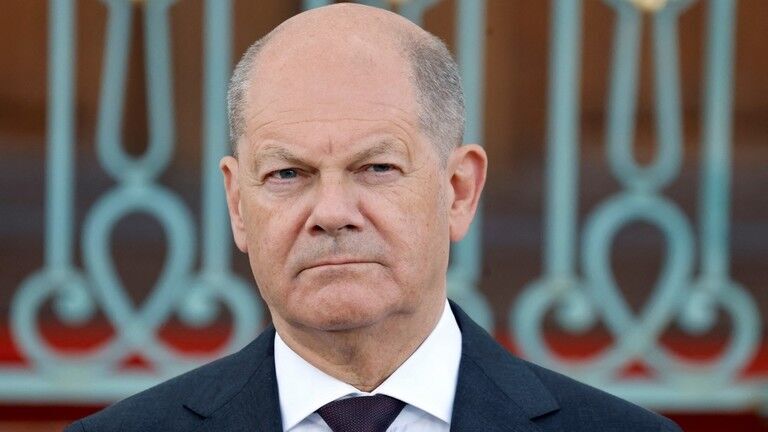
© Ludovic MARIN / POOL / AFPFILE: The coalition government led by Chancellor Olaf Scholz has been accused of overseeing Germany's demise.
The German chancellor's spokesperson has stated that Ukraine's "defensive action is not limited" to its own territory
German Chancellor Olaf Scholz now supports Ukrainian strikes deep inside Russia, despite his earlier concerns about escalation with Moscow, Politico reported on Wednesday, citing sources.
Speaking alongside French President Emmanuel Macron on Tuesday, the German leader said that "if Ukraine is attacked, it can defend itself" under international law.
He also said he had no legal objections to Macron, who argued that the West "should allow [Kiev] to neutralize military sites... from where... Ukraine is attacked."The following day, the chancellor's spokesperson, Steffen Hebestreit clarified that
Germany believes that Kiev's "defensive action is not limited to its own territory, but [can] also be expanded to the territory of the aggressor." He declined to provide details on what agreements Berlin has reached with Kiev regarding the use of German-supplied weapons.
Comment: From the beginning of the of the intensification of the conflict in 2022, if one counts 2014 as a beginning, we have seen again, and again that the West will say, we can't send heavy weapons, we can't send tanks, we can't send planes, we can't send long range powerful missiles, we can't send troops, and every single time, after a little while, after a lot of confusion, back and forth, with frequent assurances that they can't do this and can't do that due to the risk of escalation and so forth, lo and behold, they do end up doing anyway what they previously said that they could not do.
Given this trajectory what are the next steps? The first could be to make it even more official that they have troops and units on the ground, not just instructors and soldiers that recently were relieved, and of their own free will thought that going to Ukraine and becoming embedded with Ukrainian units was the very best they could do with their lives. The second is to actively and officially engage their air forces and their navies parallel with their ground forces. The third is to use even more powerful bombs, the reader can imagine what that would mean. Alternatively the opening of one or more fronts, whether that be in Moldova, Scandinavia, the Baltic countries, Kaliningrad, Georgia, Central Asia, even East Asia as in Korea, for the effect of destabilizing, are also options. Fortunately, one could say that it is uncertain if any of this will happen, but have there been signs of de-escalation?
Murad Sadygzade
RTMon, 27 May 2024 15:22 UTC
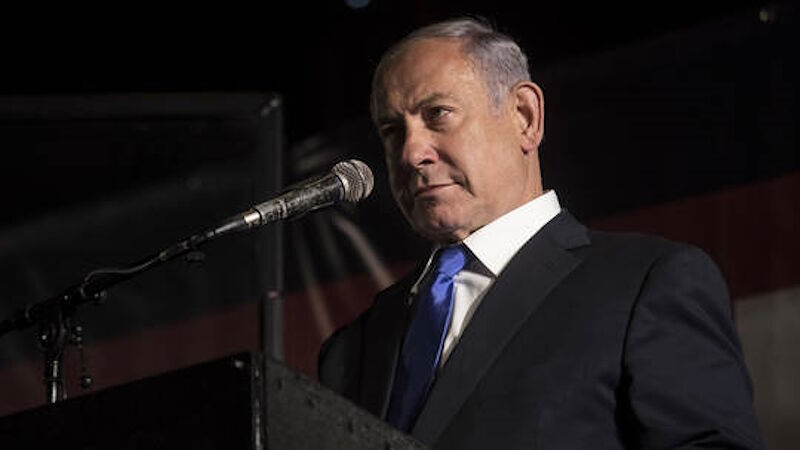
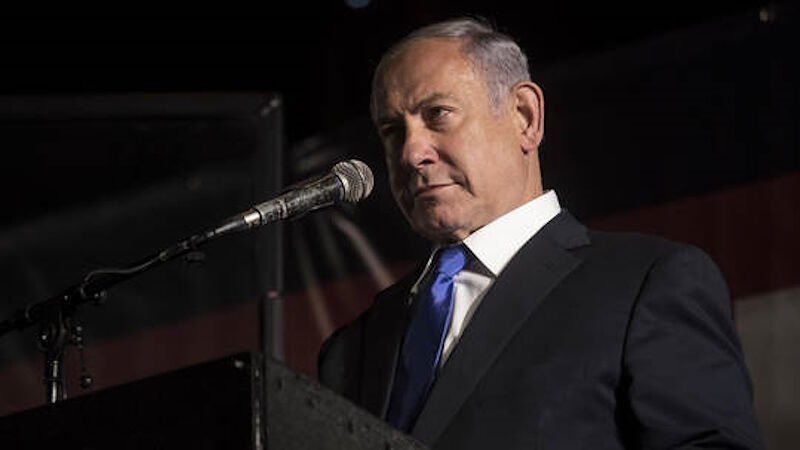
© Amir Levy/Getty ImagesIsraeli Prime Minister Benjamin Netanyahu.
In recent weeks, many events have unfolded that could seriously disrupt the plans of Israeli Prime Minister Benjamin Netanyahu. However, his political career shows that he has repeatedly emerged from similar challenges, while only strengthening his position.
The Prosecutor of the International Criminal Court (ICC), Karim Khan, has asked the ICC to issue arrest warrants for Netanyahu along with Defense Minister Yoav Gallant and three leaders of the Palestinian group Hamas. Khan believes that they are all potentially guilty of war crimes committed during the Hamas attack on Israel and the subsequent Israeli military operation in Gaza.
Adding to Netanyahu's troubles, on May 28, three European countries - Spain, Ireland, and Norway - will recognize the State of Palestine, with Slovenia and Belgium potentially joining them later. Western countries are beginning to shift away from their unwavering support for Israel.
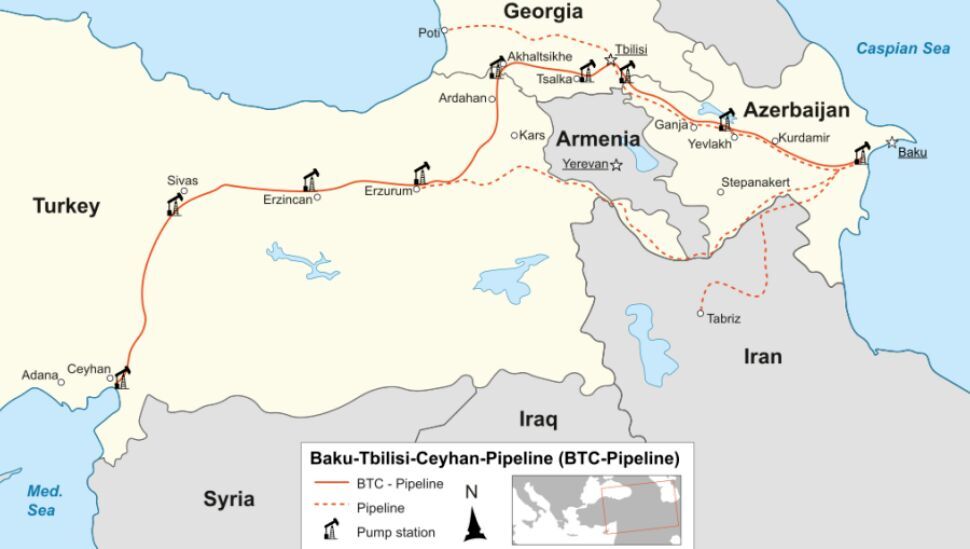
An investigative journalist has presented export data and contractual details on a BP-operated pipeline that he says show how Azerbaijani oil continues to flow to Israel via Turkey despite Ankara's trade boycott on the Israelis in response to actions in the Gaza war.
Turkish reporter-in-exile Metin Cihan (@metcihan) took a look at how oil from Azerbaijan's Caspian fields arrives at Turkey's port of Ceyhan via the Baku-Tbilisi-Ceyhan (BTC) pipeline, from where it is shipped across the Mediterranean to Israel's port of Haifa.As
bne IntelliNews reported in early May, the oil export operation appears to be continuing
despite Turkey's trade ministry asserting on May 2 that "all products" were covered by the trade boycott announced due to the "worsening humanitarian tragedy in Palestine [amid the conflict in Gaza]".
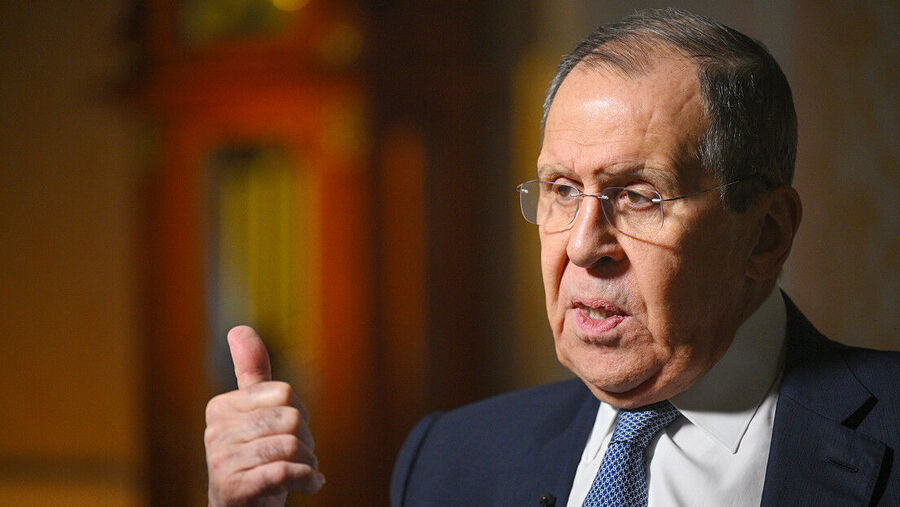
© Ramil Sitdikov / SputnikFILE:
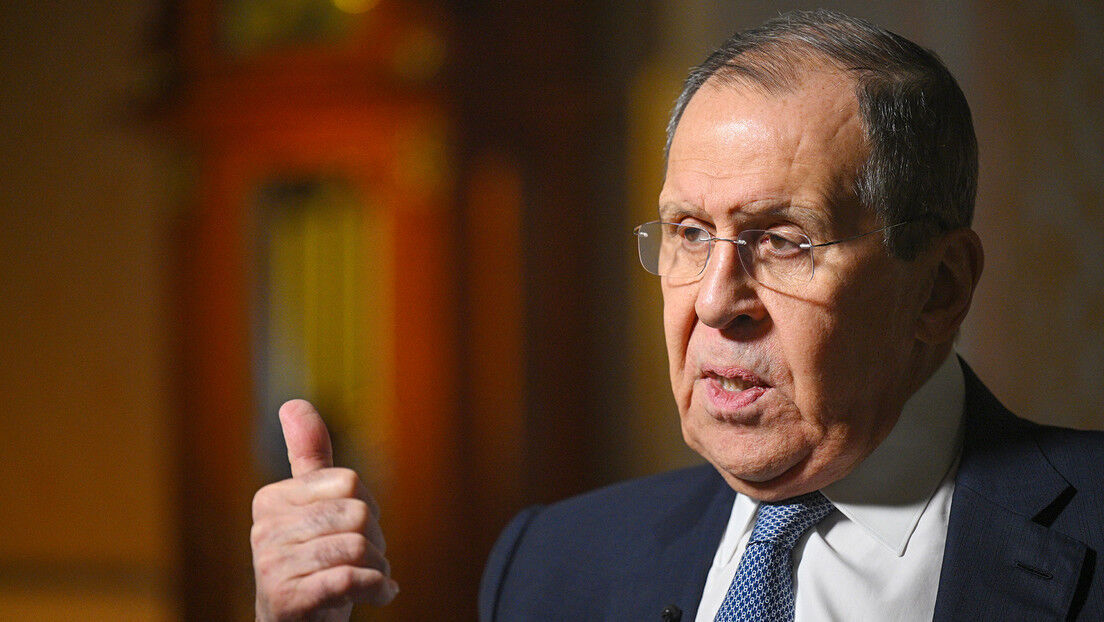
Russia may take extra steps in the area of nuclear deterrence if the United States deploys intermediate and short-range missiles in Europe and Asia, Russian Foreign Minister Sergei Lavrov told the state RIA news agency in an interview.
RIA referred to U.S. plans, announced in April, to deploy missiles in the Indo-Pacific region in response to what Washington sees as growing Chinese militarisation.
Such deployments would have previously been outlawed under the landmark 1987 Intermediate-range Nuclear Forces (INF) Treaty with Russia which the United States formally withdrew from in 2019 after saying that Moscow was violating the accord, an accusation the Kremlin denied.
Moscow has long warned it would scrap a moratorium it proposed after the treaty lapsed on the deployment of short and medium range missiles if Washington went ahead with plans to deploy such missiles in Asia and Europe.
Lavrov told RIA that Russia might have to take other steps too.
The World Health Organization was hoping that there would be a vote on the global pandemic treaty at the World Health Assembly at the end of this month, but now that is not going to happen. Negotiations that were supposed to result in a final draft of the treaty have completely broken down, and that is great news because the treaty would have transferred a tremendous amount of authority to the World Health Organization. But if dengue fever continues to rip across the globe like it has been, or if H5N1 mutates into a form that can spread easily from person to person, fear of what is coming next could potentially revive the negotiations.
On Friday, the WHO publicly admitted that negotiations had ended without producing a final draft of the treaty. The following comes
from ABC News...
RTWed, 29 May 2024 18:18 UTC
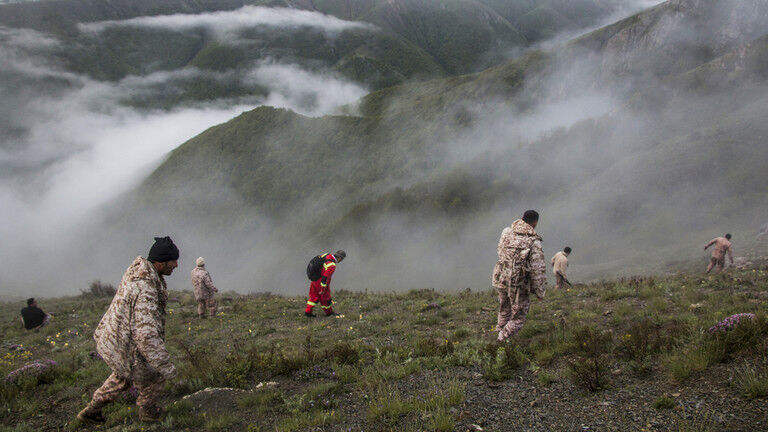
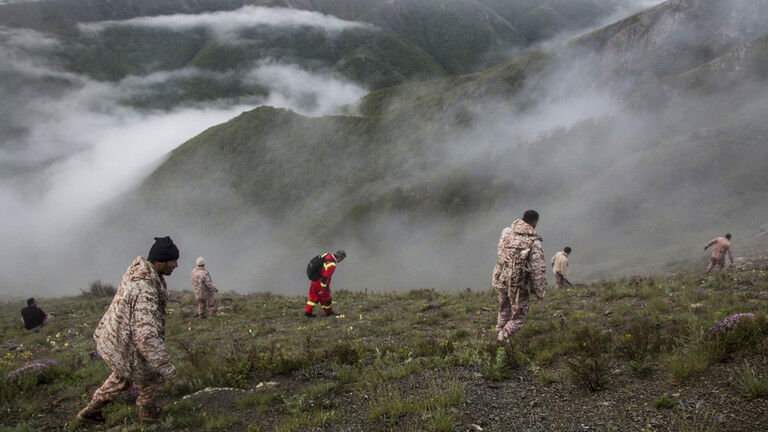
© AZIN HAGHIGHI / MOJ News Agency / AFPRescue team members search an area near the crash site of a helicopter carrying Iranian President Ebrahim Raisi in Varzaghan, in northwestern Iran, on May 20, 2024.
Multiple causes of the fatal crash have been ruled out by investigators
Iranian investigators have yet to establish what caused the helicopter crash that killed President Ebrahim Raisi, but have ruled out sabotage, the state broadcaster IRIB reported on Wednesday.
The US-made Bell 212 helicopter that carried Raisi and Foreign Minister Hossein Amir-Abdollahian crashed on May 19 in the Iranian province of East Azerbaijan, killing everyone on board. The General Staff of the Iranian military has been tasked with investigating the cause.
"An explosion that might have occurred as a result of sabotage during the flight, or a few seconds before the collision with the slope of the hill has been ruled out," said the statement issued by the General Staff, as reported by IRIB.
Comment: PressTV reported:
Investigation rules out sabotage in Iran's presidential helicopter crashWednesday, 29 May 2024 6:15 PM [ Last Update: Wednesday, 29 May 2024 6:36 PM ]
[...]
"Considering the sampling and tests conducted on the remains and parts of the helicopter and the pattern of their dispersion and the distance of the parts separated from the main body, the occurrence of an explosion due to sabotage during the flight and moments before the impact on the mountain slopes is ruled out," it said.
The report also said "no traces of electronic warfare were observed on the crashed helicopter."
It said the examination of documents related to the maintenance and repair of the crashed helicopter showed no issues that could have contributed to the accident.
The report also ruled out any communication system malfunction or frequency interference preventing the presidential helicopter from contacting the flight group.
The report said the examination of tests and analysis of data will continue until the main cause of the incident is discovered.
The General Staff of Armed Forces issued its preliminary report on the incident on May 24, saying the wreckage did not bear any bullet holes or signs of similar impact.
Late president Raeisi along with foreign minister Hossein Amir-Abdollahian and other dignitaries lost their lives after their helicopter crashed into the mountains and caught fire on May 19.
The crash site was located by Iranian unmanned aerial vehicles at 05:00 a.m. (local time) on May 20, and reached by search teams shortly afterwards.
[...]
RTWed, 29 May 2024 20:43 UTC
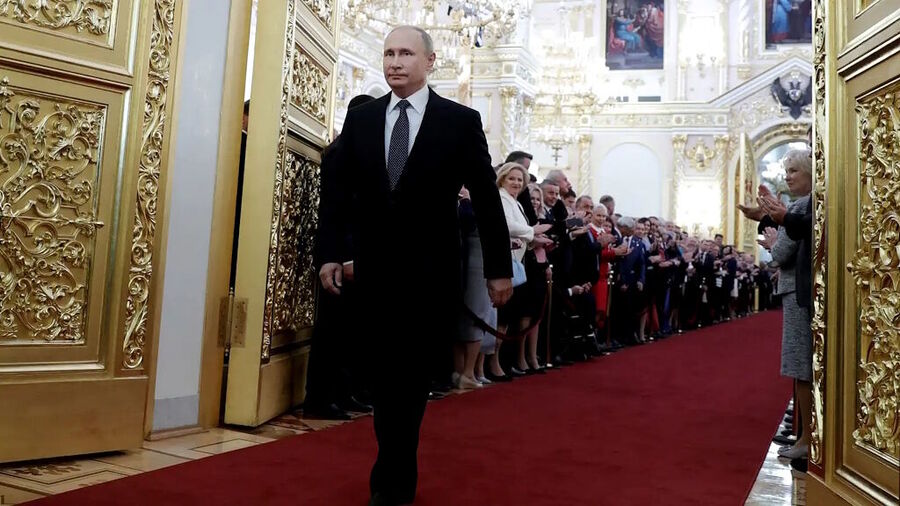
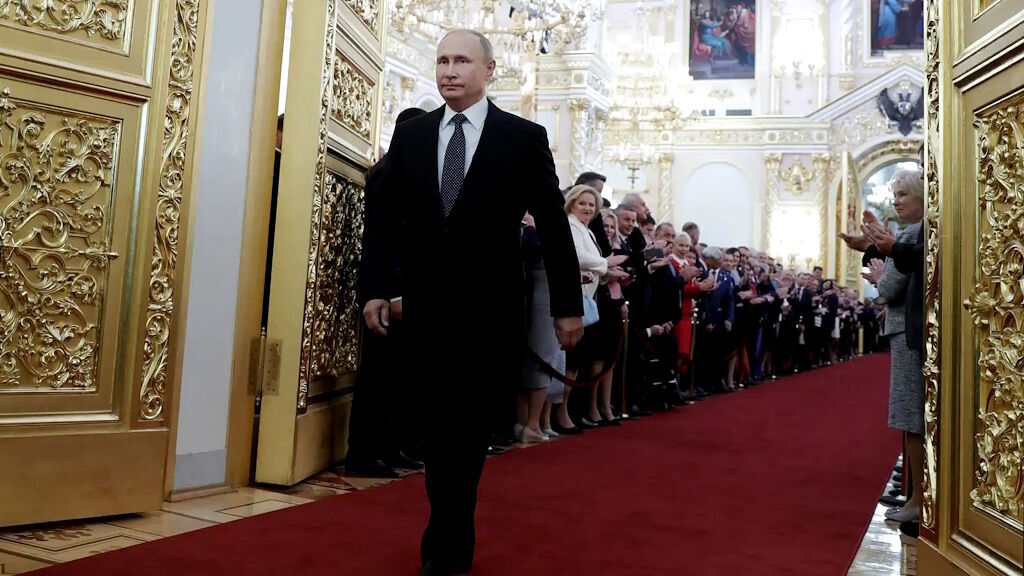
© Sputnik/Mikhail Metzel/Pool via ReutersPutin arrives to applause at his inauguration for a fourth term as President of Russia, May 7, 2024
The question of how Russia's foreign policy will be managed during President Vladimir Putin's new term seems redundant, if not irrelevant. The head of state is a man who has led the country in one form or another for almost a quarter of a century. He is known for his conservatism - not only in the ideological sense, but also in his aversion to sharp turns. Moreover, Russia is engaged in an intensive military campaign against an international coalition, and there is little point in making plans until it is over, and while its prospects are still unclear. The successful completion of this campaign remains a task of incomparable importance.
Nevertheless, it is necessary to reflect on this issue. Firstly, all of the terms of Vladimir Putin's presidency, while showing a continuity of approach, have been markedly different. Secondly, while the importance of achieving the goals of the military operation is undeniable, victory alone will not miraculously provide answers to all foreign policy challenges. Finally, the world system is changing rapidly for objective reasons, and Moscow will have to respond in any case.














Comment: See also: