

© Getty Images / NAACPMichelle Obama
Michelle Obama, the wife of former US President Barack Obama, is the only potential Democratic candidate who could beat Republican frontrunner Donald Trump in November's election, according to a new Reuters/Ipsos opinion poll.
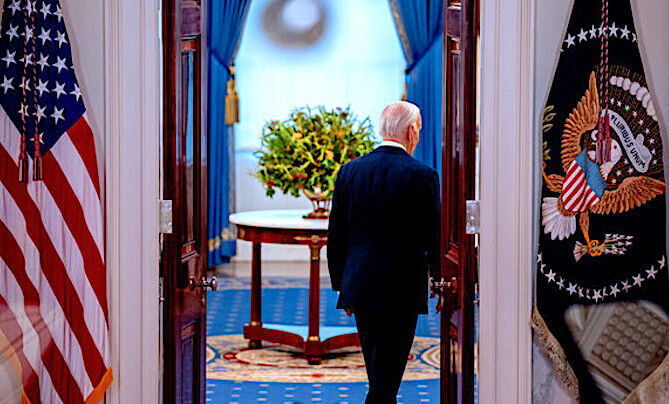
There is growing concern among Democratic voters over President Joe Biden's ability to secure a second term in office this year, particularly after his debate with Trump, in which the 81-year-old incumbent appeared frail and confused, and struggled to finish his sentences.
On July 1 and July 2, Ipsos market research company surveyed a representative sample of 1,070 US adults for Reuters, including 892 registered voters, 348 Democrats, 322 Republicans, and 303 independents.
According to the poll, if a vote were to be held now, Biden and Trump would both win an estimated 40% of the votes. However, around three in five voters, including nearly one-third of Democrats, believe Biden should drop out of the race altogether and that his party should put forward a new candidate, even at this late stage.


















Comment: See also: