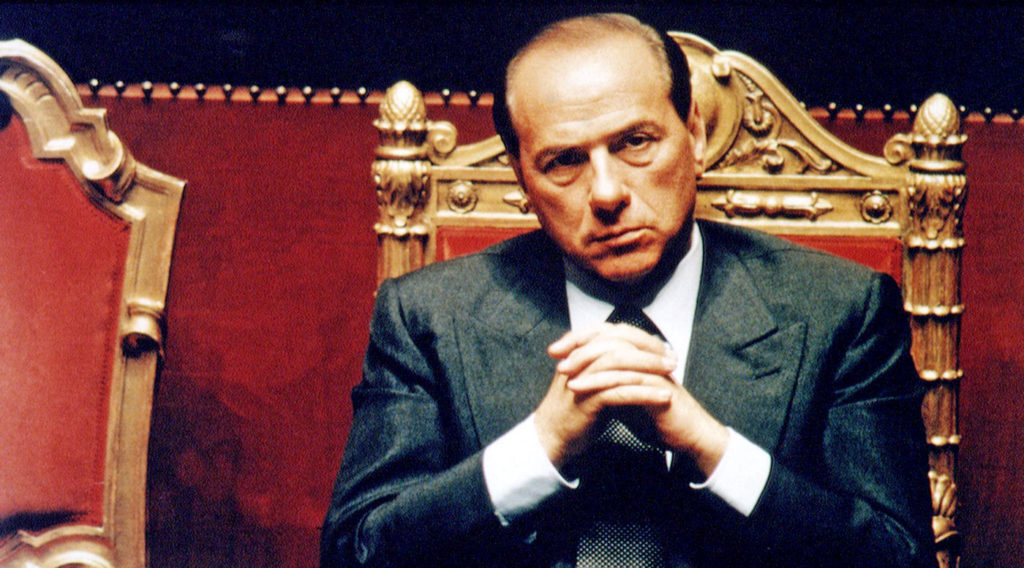
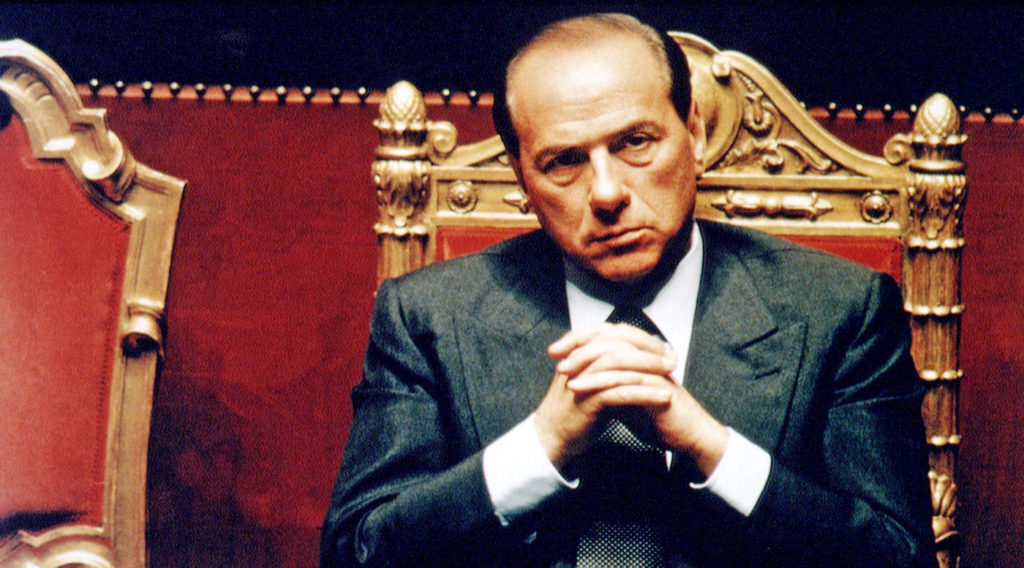
© GettyThe late Silvio Berlusconi, former Prime Minister of Italy
In 1994, when Berlusconi launched his political party Forza Italia, I was 12 years old. At the time, the last thing I was interested in was politics, and yet
Il Cavaliere, as he was known, soon became a part of my life — for the simple fact that, along with every other kid of my generation, I spent my afternoons watching Japanese anime cartoons on the Mediaset channels he founded. In the three months leading up to the general election, which Berlusconi won, Mediaset ran
Forza Italia ads around the clock. I soon knew the party's cheesy jingle by heart.
Many of the elements of
Berlusconismo were already present in that first campaign to become prime minister: Berlusconi's larger-than-life persona, his unscrupulous use of his media empire to propel himself onto the political stage, his proto-populist marketing-style approach to politics. Yet, for several years, as far I was concerned, Berlusconi was little more than an annoying interruption between episodes of my favourite TV shows.
This changed in the final years of high school, when I became involved in Left-wing politics. One of the first things I learned was that being Left-wing in late-Nineties Italy meant being
against Berlusconi. Even though I didn't realise it at the time, what I was being exposed to was perhaps one Berlusconi's most toxic legacies: the fact that, by then, the Italian Left had come to define itself almost exclusively in opposition to Berlusconi — as
anti-Berlusconismo.













Comment: