© RT / RT
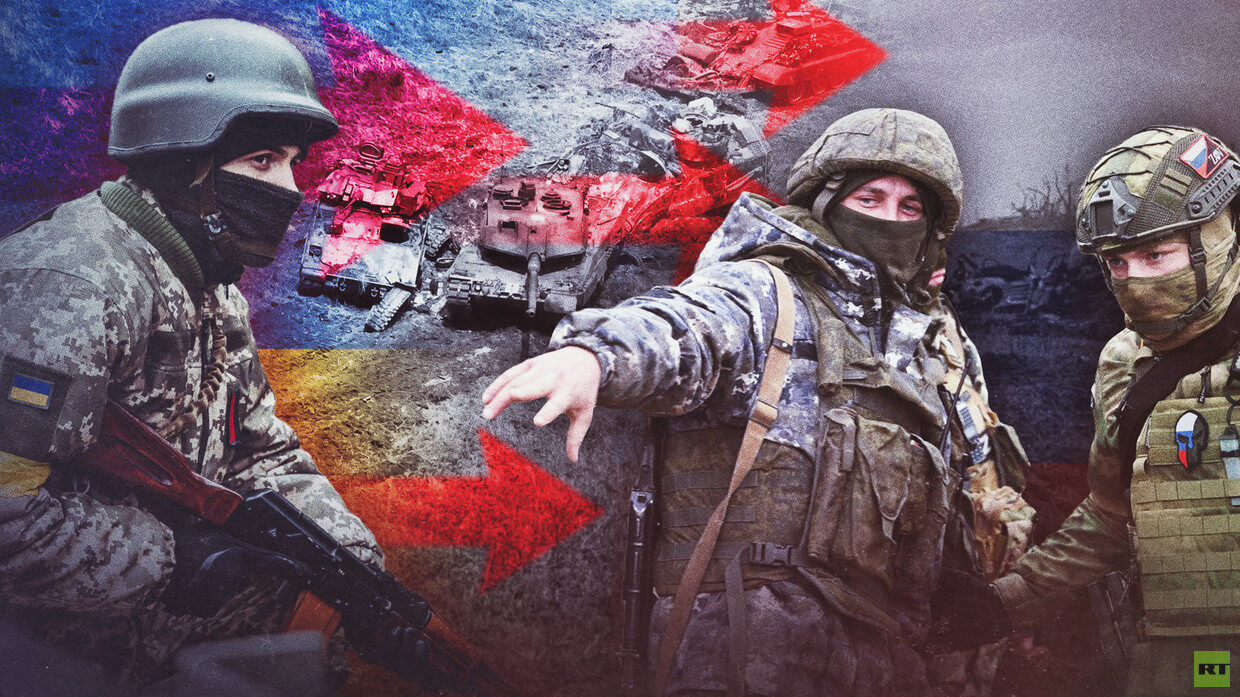
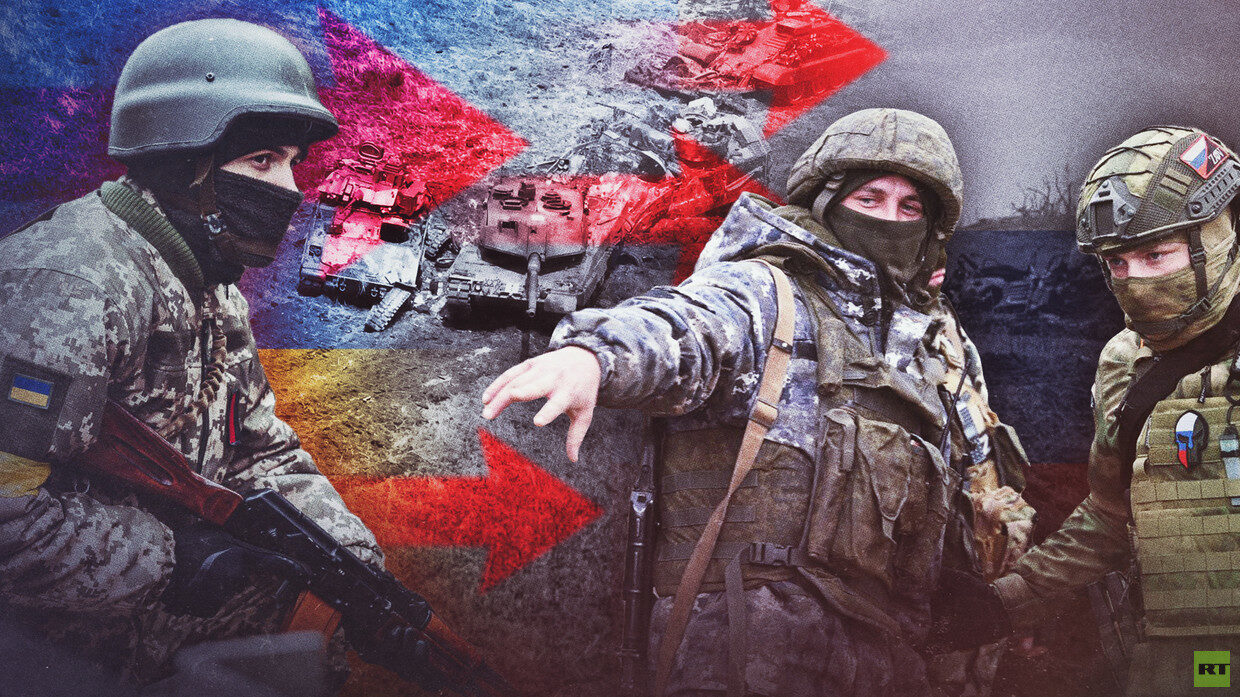
The counteroffensive of the Armed Forces of Ukraine (AFU), widely hyped by Ukrainian and Western officials since the beginning of the year, has been going on for nearly a month. Since June 4, Kiev's forces have been trying to advance on the southern section of the frontlines in Zaporozhye Region and in the western part of the Donetsk People's Republic (DPR).
The anticipated 'blitzkrieg' strategy was not successful and the Ukrainian offensive became stuck in positional warfare, losing a lot of the military equipment provided to it by the West. By the end of June, Kiev managed to occupy a mere eight villages, but was not able to reach the main Russian fortifications.Kiev and its Western partners are now particularly concerned about the planned breakthrough to the Sea of Azov, since the strategic goals of the counteroffensive have failed and the land corridor to Crimea remains under Russian control. So why has Ukraine's much-hyped operation failed?
How was the current front line formed?The front line in Zaporozhye Region and the western part of the DPR was formed in the spring of 2022. At that time, Russian troops were able to merge their Crimean units, which captured the cities of Tokmak and Pologi, with the Donbass units to form the 'Mariupol cauldron'.
Meanwhile, the Russian Army's attempts to move closer to Zaporozhye and capture the cities of Gulyai-Pole and Orekhov - the AFU's main strongholds in Zaporozhye Region - were not successful.
To the east, in the area of the Vremyevsky salient, active battles continued until the summer of 2022. On July 14, the DPR territorial defense headquarters
confirmed the capture of Neskuchny village south of Vremyevka - the last settlement liberated by the People's Militia of the DPR in this section of the front.





















Comment: How to announce cooperation and fortification without a threat...the US could learn something.