
© Ronin Institute
Without a university position in hand, these highly educated would-be professors generally have two options: bounce from one part-time teaching job to another or take a job doing something else entirely. And while some—those with engineering and science doctorates, mostly—have the option of well-paid work in the private sector, others do not, and admit to feeling shame and frustration that they didn't make it in academia. At conferences and in the higher-education press, they bemoan a broken system: one that generates experts with training they cannot use without that all-important title of professor.
What if there was an alternative? The Ronin Institute, a three-month-old experiment founded by one of these would-be academics, is asking that question, hoping to revolutionize academia by connecting unaffiliated scholars to research funding and giving them credibility at the same time—no university required.






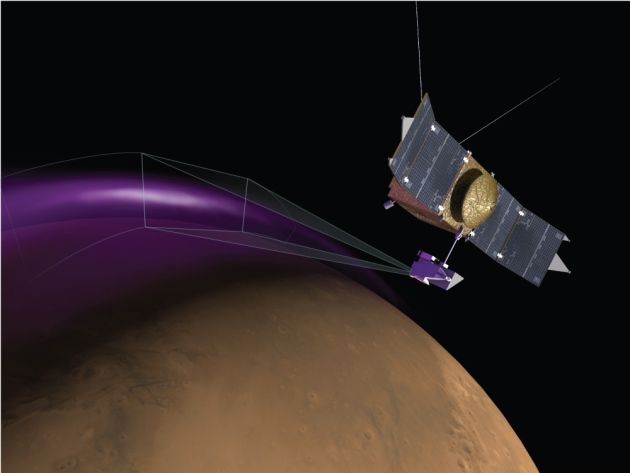








Comment: So Earth isn't the only planet undergoing a dust veil event.
And geomagnetic storms on Mars?! Until yesterday, that was considered 'impossible'...
To find out what's going on, check out:
Earth Changes and the Human Cosmic Connection