
© EKS/Shutterstock.com
Why do some kinds of animals live longer than others? For mammals, part of the answer may lie in the number of anti-inflammatory genes.
From mouse to man — and across 12 other mammal species examined —
researchers found that those with more copies of genes called CD33rSIGLEC, which is involved in fighting inflammation, have a longer life span.Moreover, mice that researchers bred to have fewer copies of these genes experience premature aging and early death compared with normal mice, the study found.
"Though not quite definitive, this finding is provocative," said Dr. Ajit Varki, a professor of medicine at the University of California, San Diego School of Medicine, who co-led the study.
"As far as we know, it's the first time life span has been correlated with simple gene copy number."
Scientists report this finding today (April 7) in the online journal
eLife.Inflammation is a healthy and necessary function of a body's
immune system, and is triggered when tissues are injured by bacteria, viruses, toxins or some other kind of trauma. It happens when chemicals released by the immune system to fight infection or repair tissue cause blood vessels to leak, resulting in telltale swelling and redness.
Chronic inflammation, however, is a prolonged reaction of the immune system that is damaging and life-threatening. This might be an overreaction to food proteins such as gluten, as seen in people with
celiac disease; a self-destructive attack of the body's on parts, as seen in those with rheumatoid arthritis; or long-term inflammatory activity that culminates in a host of ailments, such as circulatory disease, some cancers, and Alzheimer's disease.
In this last example, chronic inflammation is seen as a hallmark of aging. Vast classes of pharmaceutical drugs to treat chronic diseases work by fighting inflammation. The
Mediterranean-style diet — high in fruits, vegetables and healthy oils — is also aimed at reducing inflammation, and is thought to increase human life expectancy.

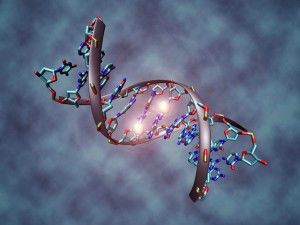


















Comment: As the study's authors allude to, this discovery pulls the rug from under 'genetic determinism'. This means that every time a doctor has said "Sorry, but it's in your genes," he or she has only had half the answer. We may be 'hardwired' towards certain proclivities, but we also appear to have a wide range of choice as to the expression of those proclivities.
If the programming of one code is regulated by the programming of second code, and if "DNA is an incredibly powerful information storage device," then we're naturally left wondering to what extent the information - in the form of learning, diet (food, after all, is a form of 'ingesting information'), and environmental impressions - that a person consciously, or even passively, takes in during his or her lifetime, could fundamentally regulate the expression of that person's genes during his or her lifetime.
In short, we have far more latent ability to expand our free will than we realize.