
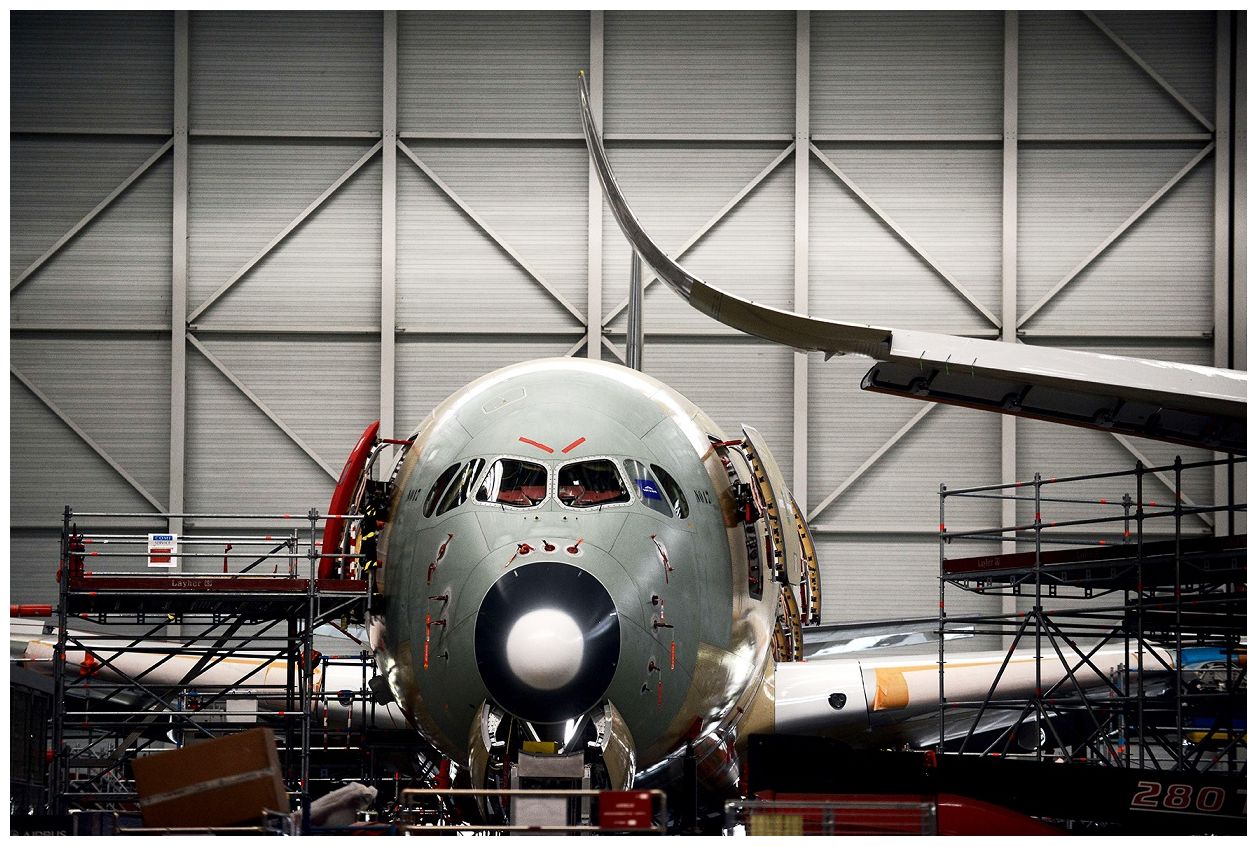
© Remy Gabalda/AFP/GettyAn Airbus A350 on an assembly line, in Toulouse, France, April 11, 2015.
Boeing 787 Dreamliner jets, as well as Airbus A350 and A380 aircraft, have Wi-Fi passenger networks that use the same network as the avionics systems of the planes, raising the possibility that a hacker could hijack the navigation system or commandeer the plane through the in-plane network, according to the US Government Accountability Office, which released a report about the planes today.
A hacker would have to first bypass a firewall that separates the Wi-Fi system from the avionics system. But firewalls are not impenetrable, particularly if they are misconfigured.
A better design, security experts have warned for years, is to air gap critical systems from non-critical ones—that is, physically separate the networks so that a hacker on the plane can't bridge from one to the other, nor can a remote hacker pass malware through the internet connection to the plane's avionics system. As the report notes, because the Wi-Fi systems in these planes connect to the world outside the plane, it opens the door for malicious actors to also remotely harm the plane's system.
"A virus or malware planted in websites visited by passengers could provide an opportunity for a malicious attacker to access the IP-connected onboard information system through their infected machines," according to the report.









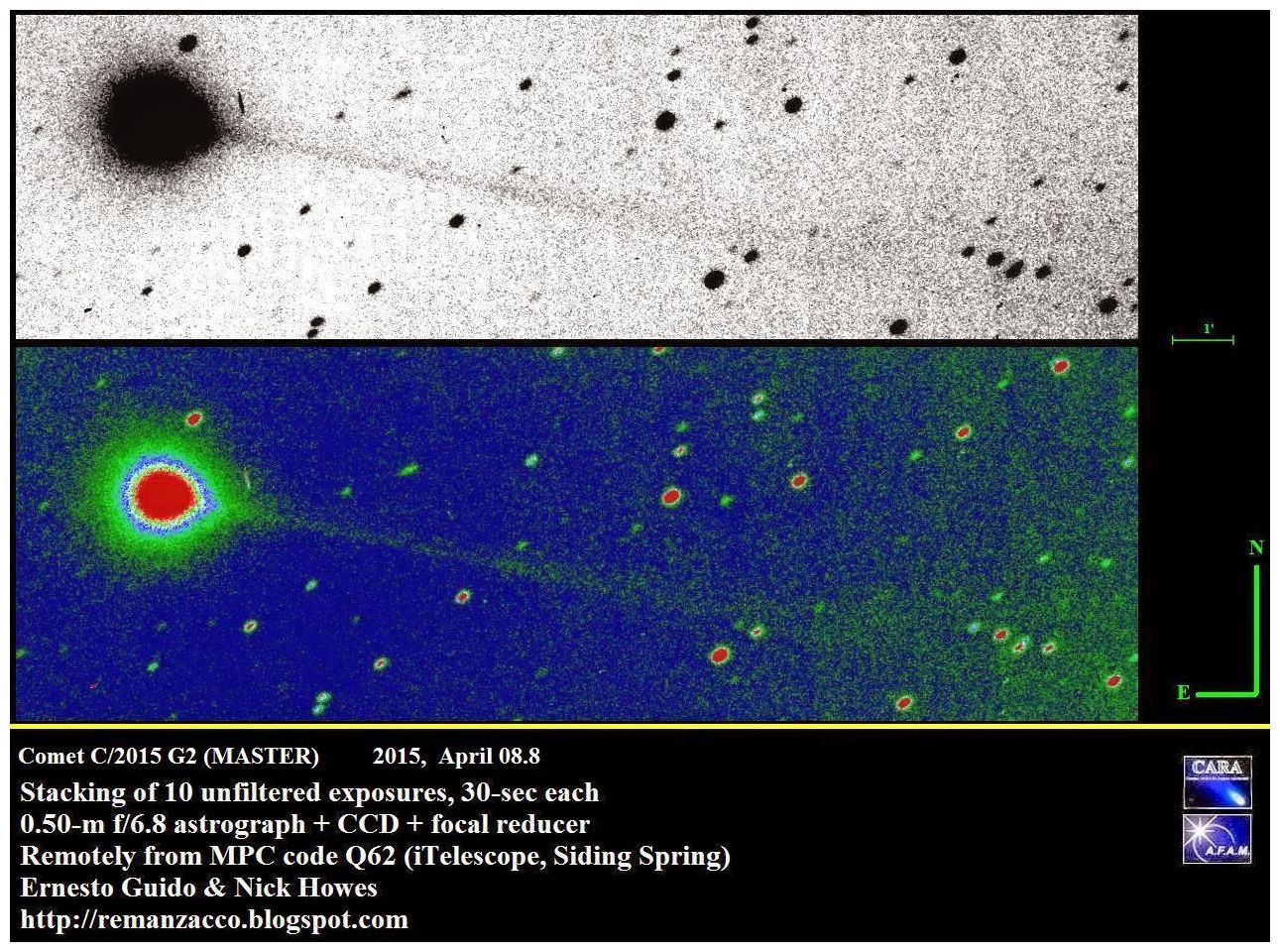






Comment: The asteroid was a 17 meter meteoroid/bolide that exploded in the atmosphere above Chelyabinsk, whose impact was not, per se, a direct hit by the incoming object. Below is a 10 minute archive of this event and shows the impact of its 500 kilotons of TNT energy. (Note: put speakers on low for the first couple minutes.)
As we know, incoming meteors, meteoroids and bolides are now a daily occurrence. If these experts are going to "alter the course of history," they should probably hurry! The test-run on Didymos and Didymoon won't take place until 2022. And then of course, there are the comets...